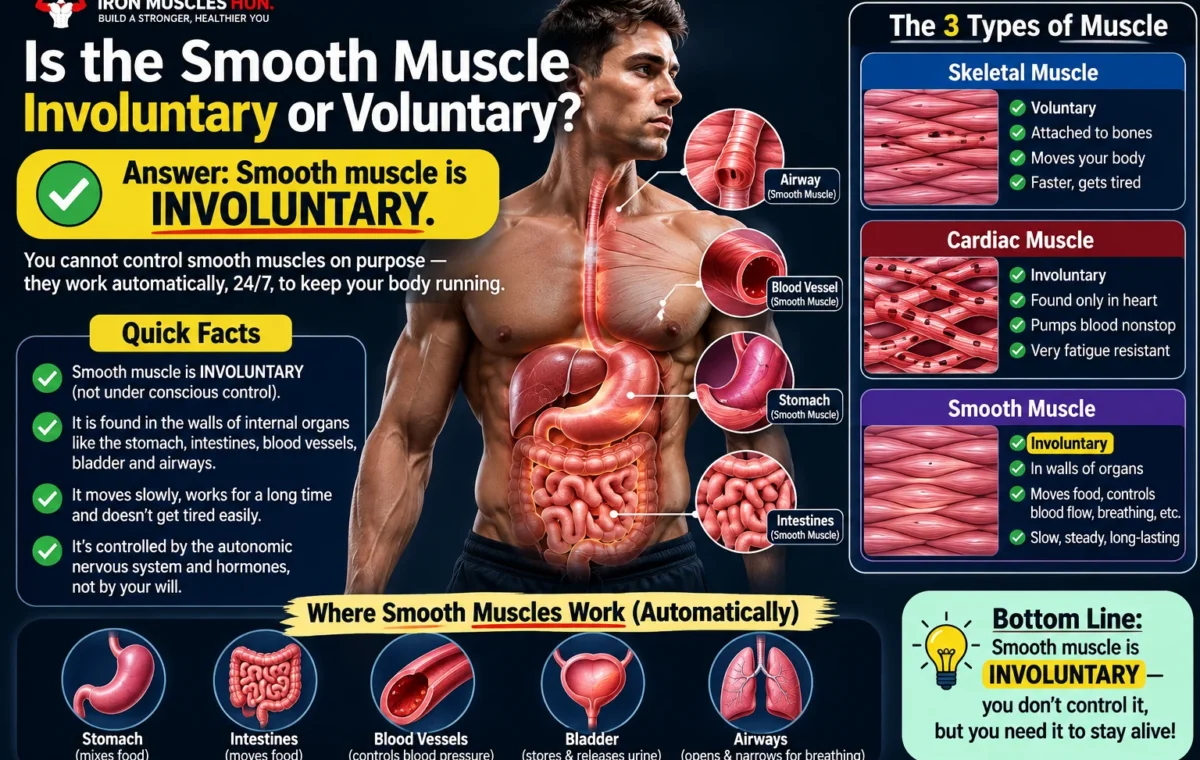
If you’ve ever wondered “is the smooth muscle involuntary or voluntary?”, the simple answer is smooth muscle is involuntary. You don’t consciously control it. Instead, it works automatically to keep essential body functions running, such as moving food through your digestive system, regulating blood flow, and helping your bladder store and release urine.
- Quick Answer
- Key Takeaways
- Smooth Muscle Is Involuntary
- Why Isn't Smooth Muscle Under Conscious Control?
- How Smooth Muscle Receives Signals
- Nervous System
- Hormones
- Local Chemical Signals
- Where Is Smooth Muscle Found?
- 1. Helps Digest Food
- 2. Regulates Blood Flow
- 3. Controls the Urinary System
- 4. Supports Breathing
- 5. Plays a Role During Pregnancy
- 6. Helps Your Eyes Adjust
- Sympathetic Nervous System
- Parasympathetic Nervous System
- Myth 1: Smooth Muscle Is Voluntary
- Myth 2: Smooth Muscle Exists Only in the Stomach
- Myth 3: Smooth Muscle Gets Bigger Like Skeletal Muscle
- Myth 4: All Involuntary Muscles Are the Same
- Is smooth muscle voluntary or involuntary?
- What is an example of smooth muscle?
- What is the difference between smooth muscle and skeletal muscle?
- Is cardiac muscle voluntary or involuntary?
- Why is smooth muscle called "smooth"?
- Can you strengthen smooth muscle?
- Common Mistakes Beginners Make
- Key Differences at a Glance
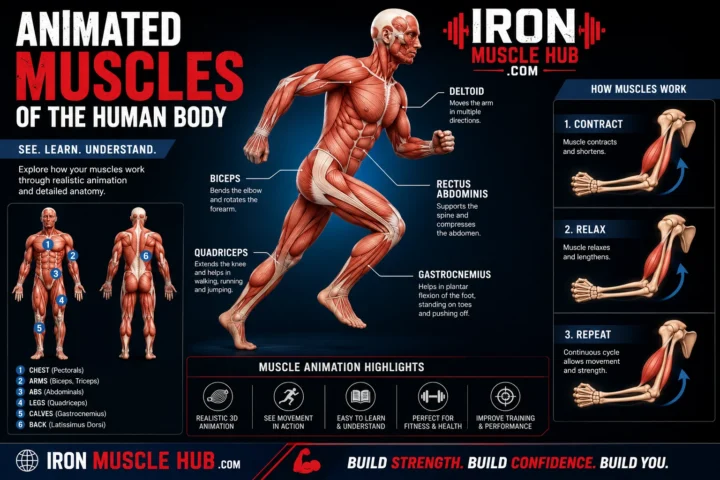
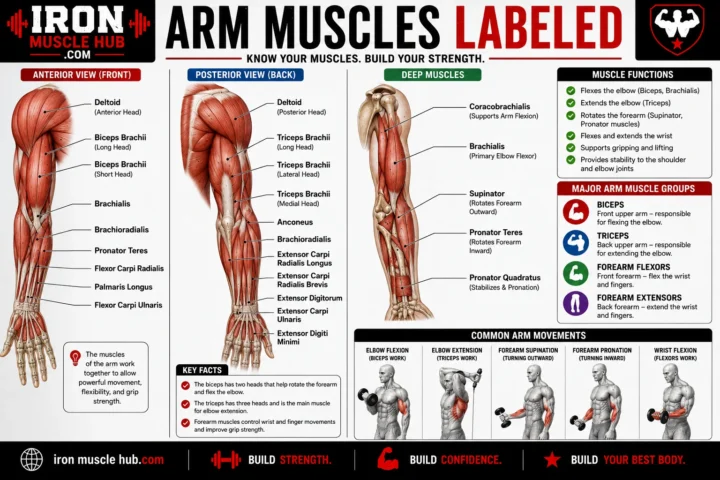
Unlike skeletal muscles, which move your arms and legs when you decide to, smooth muscles work quietly in the background 24 hours a day. Understanding how they function also makes it easier to see why different muscle types have different roles in the human body. For more insights read here :- how to become lean and Lean and Muscular.
Quick Answer
| Question | Answer |
|---|---|
| Is smooth muscle voluntary? | No. Smooth muscle is involuntary. |
| Who controls it? | The autonomic nervous system and hormones. |
| Where is it found? | Stomach, intestines, blood vessels, bladder, uterus, airways, and other internal organs. |
| Can you consciously control it? | No. |
| Main job | Move substances through organs and regulate organ function automatically. |
Key Takeaways
- Smooth muscle is involuntary.
- It works without conscious effort.
- It is found inside hollow organs and blood vessels.
- The autonomic nervous system controls most smooth muscle activity.
- Smooth muscle contracts slowly but can stay contracted for long periods without becoming tired quickly.
What Is Smooth Muscle?
Smooth muscle is one of the three types of muscle tissue in the human body.
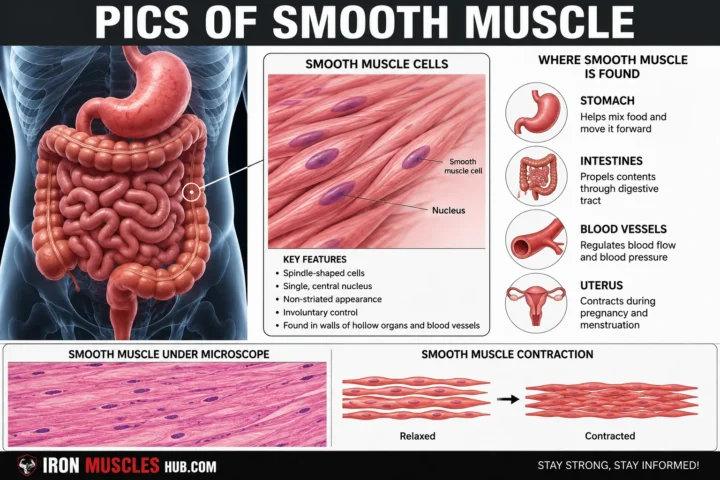
Unlike skeletal muscle, smooth muscle cells do not have visible stripes (called striations) under a microscope. Because of their smooth appearance, scientists named this tissue smooth muscle.
Smooth muscles form the walls of many internal organs. They squeeze, relax, and maintain pressure so your organs can function properly without you thinking about them.
Examples include:
- The stomach
- Small and large intestines
- Blood vessels
- Urinary bladder
- Uterus
- Airways in the lungs
- Eye structures
Without smooth muscle, your body couldn’t digest food, circulate blood efficiently, or move waste through the digestive tract.
Is the Smooth Muscle Involuntary or Voluntary?
Smooth Muscle Is Involuntary
The answer is yes—smooth muscle is involuntary.
That means you cannot consciously tell smooth muscle when to contract or relax. Instead, it responds automatically to signals from:
- The autonomic nervous system
- Hormones
- Local chemical signals within tissues
For example:
You don’t have to remember to digest your lunch after eating. Your stomach and intestines automatically contract in coordinated waves to move food through your digestive system.
Likewise, your blood vessels automatically widen or narrow depending on your body’s needs, helping regulate blood pressure and blood flow.
Why Isn’t Smooth Muscle Under Conscious Control?
Many body functions must continue whether you’re awake or asleep.
Imagine having to consciously remember to:
- Digest every meal
- Control your blood pressure
- Move urine into your bladder
- Adjust airflow to your lungs
That would be impossible.
Instead, your brain automatically manages these processes through the autonomic nervous system, allowing smooth muscle to work continuously without conscious effort.
How Smooth Muscle Works
Smooth muscle contracts differently from skeletal muscle.
Instead of producing quick, powerful movements, it creates slow, controlled contractions that often continue for several minutes or even longer.
These contractions help:
- Push food through the digestive tract
- Empty the bladder
- Control blood vessel diameter
- Move babies through the birth canal during labor
- Regulate airflow inside the lungs
Because these muscles contract gradually, they use energy efficiently and resist fatigue much better than skeletal muscles.
How Smooth Muscle Receives Signals
Smooth muscles respond to several types of stimulation.
Nervous System
The autonomic nervous system sends signals that increase or decrease contractions depending on what your body needs.
For example:
- During digestion, smooth muscle activity increases.
- During exercise, blood flow changes as blood vessel muscles adjust automatically.
Hormones
Certain hormones also influence smooth muscle.
For example:
- Oxytocin stimulates uterine smooth muscle during childbirth.
- Adrenaline can relax or tighten certain smooth muscles depending on the organ involved.
Local Chemical Signals
Nearby tissues can release chemicals that tell smooth muscles to contract or relax.
This allows organs to respond quickly to changing conditions without conscious thought.
Smooth Muscle vs Skeletal Muscle vs Cardiac Muscle
Understanding the differences between the three muscle types makes smooth muscle much easier to remember.
| Feature | Smooth Muscle | Skeletal Muscle | Cardiac Muscle |
|---|---|---|---|
| Control | Involuntary | Voluntary | Involuntary |
| Appearance | Smooth (non-striated) | Striated | Striated |
| Location | Internal organs | Attached to bones | Heart only |
| Main Function | Move substances through organs | Body movement | Pump blood |
| Speed | Slow | Fast | Moderate |
| Fatigue Resistance | Very high | Varies | Extremely high |
| Controlled By | Autonomic nervous system, hormones | Somatic nervous system | Heart’s electrical system and autonomic nervous system |
Why Smooth Muscle Is Different
Smooth muscle isn’t designed for lifting weights or running.
Instead, it’s specialized for continuous internal work.
Its unique characteristics include:
- Slow, steady contractions
- Excellent endurance
- Ability to remain partially contracted for long periods
- Automatic regulation
- Efficient energy use
These features make it perfect for organs that must function throughout your entire life without stopping.
Where Is Smooth Muscle Found?
Smooth muscle is located throughout your body, mainly in the walls of hollow organs and blood vessels. Unlike skeletal muscles, which attach to bones, smooth muscles line organs that need to move substances or regulate the flow of liquids and gases.
The table below shows the most common locations and what smooth muscle does in each one.
| Body Part | What Smooth Muscle Does |
|---|---|
| Stomach | Churns food and mixes it with digestive juices |
| Small intestine | Pushes food forward for nutrient absorption |
| Large intestine | Moves waste toward the rectum |
| Blood vessels | Controls vessel diameter and blood pressure |
| Urinary bladder | Stores and releases urine |
| Ureters | Carry urine from the kidneys to the bladder |
| Uterus | Contracts during childbirth and menstruation |
| Airways (bronchi) | Controls airflow into and out of the lungs |
| Eye (iris and ciliary body) | Changes pupil size and helps focus the lens |
What Does Smooth Muscle Do?
Although smooth muscle isn’t visible like your arm or leg muscles, it performs hundreds of essential tasks every day.
1. Helps Digest Food
After you eat, smooth muscles in your digestive tract contract in wave-like movements called peristalsis.
These contractions:
- Move food through the stomach
- Push food into the intestines
- Mix food with digestive enzymes
- Help absorb nutrients
- Move waste toward the colon
Without smooth muscle, digestion would stop.
2. Regulates Blood Flow
The walls of arteries and veins contain smooth muscle.
These muscles can:
- Narrow blood vessels (vasoconstriction)
- Widen blood vessels (vasodilation)
This helps your body:
- Maintain healthy blood pressure
- Deliver oxygen where it’s needed most
- Keep your body temperature stable
- Respond to exercise or stress
For example, during exercise, blood vessels supplying your muscles widen to increase oxygen delivery.
3. Controls the Urinary System
Smooth muscle allows your urinary system to function automatically.
It helps:
- Move urine from the kidneys to the bladder
- Store urine safely
- Contract the bladder during urination
Most of this process happens without conscious effort until you decide it’s an appropriate time to urinate.
4. Supports Breathing
Smooth muscles surround your airways.
When they relax:
- Airways become wider.
- More air reaches the lungs.
When they contract:
- Airways become narrower.
This process helps regulate breathing but can also contribute to breathing difficulties during conditions such as asthma.
5. Plays a Role During Pregnancy
The uterus is made largely of smooth muscle.
Throughout pregnancy, these muscles stretch as the baby grows.
During labor, hormones trigger strong, coordinated contractions that help deliver the baby.
6. Helps Your Eyes Adjust
Tiny smooth muscles inside the eye:
- Change pupil size in bright or dim light.
- Help focus on nearby or distant objects.
These adjustments happen automatically within seconds.
How Does the Autonomic Nervous System Control Smooth Muscle?
Smooth muscle is mainly controlled by the autonomic nervous system (ANS).
Unlike the somatic nervous system, which controls voluntary movements, the ANS manages functions you don’t consciously think about.
The ANS has two main divisions.
Sympathetic Nervous System
Often called the “fight-or-flight” system, it prepares your body for action.
Examples include:
- Increasing heart activity
- Redirecting blood flow to muscles
- Slowing digestion
- Widening certain airways
Parasympathetic Nervous System
Known as the “rest-and-digest” system, it supports everyday body maintenance.
It helps:
- Improve digestion
- Stimulate intestinal movement
- Promote bladder emptying
- Conserve energy
Both systems work together to keep your body balanced.
A Simple Everyday Example
Imagine you eat a large meal.
You don’t have to think about digesting it.
Instead:
- Food enters the stomach.
- Smooth muscle begins gentle contractions.
- Food mixes with stomach acid.
- The stomach slowly empties into the small intestine.
- Intestinal smooth muscles continue moving food.
- Nutrients are absorbed.
- Waste moves into the large intestine.
This entire process happens automatically—even while you’re sleeping.
Smooth Muscle vs Voluntary Muscle: A Real-Life Comparison
Think about picking up a heavy shopping bag.
Your brain sends a signal to your arm muscles, and they contract because you chose to move.
Now compare that with digestion after eating lunch.
Your stomach keeps working whether you’re watching TV, reading a book, or asleep. That’s because smooth muscle doesn’t wait for conscious instructions.
This simple comparison makes the difference easy to remember:
- Skeletal muscle = You decide.
- Smooth muscle = Your body decides.
Common Misconceptions About Smooth Muscle
Many beginners confuse smooth muscle with other muscle types. Here are a few common myths.
Myth 1: Smooth Muscle Is Voluntary
False.
Smooth muscle is involuntary and works automatically.
Myth 2: Smooth Muscle Exists Only in the Stomach
False.
It’s found throughout the body, including blood vessels, the bladder, uterus, intestines, airways, and parts of the eyes.
Myth 3: Smooth Muscle Gets Bigger Like Skeletal Muscle
Not usually.
Smooth muscle can adapt and change in certain situations (such as pregnancy), but it doesn’t grow from weight training the way skeletal muscles do.
Myth 4: All Involuntary Muscles Are the Same
False.
There are two involuntary muscle types:
- Smooth muscle – found in internal organs.
- Cardiac muscle – found only in the heart.
Although both work automatically, they have different structures and functions.
Information Gain: Why Smooth Muscle Rarely Gets Tired
One feature that many basic articles overlook is energy efficiency.
Smooth muscle uses a special mechanism that allows it to stay contracted for long periods while using relatively little energy. This is important because organs like blood vessels and the intestines must work continuously throughout your life.
For example:
- Blood vessels need to maintain pressure all day.
- The digestive tract works for hours after meals.
- The bladder stores urine for extended periods.
If smooth muscle tired as quickly as skeletal muscle, these vital functions wouldn’t work properly.
Memory Tip
A quick way to remember the three muscle types is:
| Muscle Type | Memory Trick |
|---|---|
| Skeletal | You choose it. |
| Smooth | Your organs choose it. |
| Cardiac | Your heart never stops. |
This simple rule helps students quickly identify whether a muscle is voluntary or involuntary.
Is smooth muscle voluntary or involuntary?
Smooth muscle is involuntary. You cannot consciously control it. Instead, it contracts and relaxes automatically under the control of the autonomic nervous system, hormones, and local chemical signals. This allows essential functions like digestion, blood circulation, and bladder control to continue without conscious effort.
What is an example of smooth muscle?
Smooth muscle is found in many internal organs. Common examples include the stomach, intestines, blood vessels, bladder, uterus, airways, and parts of the eye. In each location, it helps move substances or regulate organ function automatically.
What is the difference between smooth muscle and skeletal muscle?
The biggest difference is control. Skeletal muscle is voluntary, meaning you move it when you decide to, such as walking or lifting an object. Smooth muscle is involuntary, meaning it works automatically to perform essential internal functions like digestion and regulating blood flow.
Is cardiac muscle voluntary or involuntary?
Like smooth muscle, cardiac muscle is involuntary. However, cardiac muscle is found only in the heart and has a unique structure that allows it to contract continuously throughout your life to pump blood.
Why is smooth muscle called “smooth”?
Smooth muscle gets its name because its cells lack the visible stripes (striations) seen in skeletal and cardiac muscle under a microscope. The cells have a smooth, uniform appearance, which is why this tissue is called smooth muscle.
Can you strengthen smooth muscle?
You cannot train smooth muscle directly in the same way you build skeletal muscle through weightlifting. However, healthy lifestyle habits such as regular exercise, a balanced diet, staying hydrated, maintaining a healthy weight, and avoiding smoking help keep the organs that contain smooth muscle functioning properly.
Common Mistakes Beginners Make
When learning about muscle tissue, people often make these mistakes:
- Thinking all muscles are under conscious control.
- Assuming smooth muscle exists only in the digestive system.
- Confusing smooth muscle with cardiac muscle.
- Believing smooth muscle grows larger through strength training.
- Forgetting that blood vessels contain smooth muscle.
Avoiding these misconceptions will make it much easier to understand human anatomy and physiology.
Key Differences at a Glance
| Feature | Smooth Muscle | Skeletal Muscle | Cardiac Muscle |
|---|---|---|---|
| Control | Involuntary | Voluntary | Involuntary |
| Location | Internal organs and blood vessels | Attached to bones | Heart only |
| Appearance | Non-striated | Striated | Striated |
| Main Function | Moves substances through organs | Produces body movement | Pumps blood |
| Fatigue | Very resistant | Can fatigue | Extremely resistant |
Final Thoughts
So, is the smooth muscle involuntary or voluntary? The answer is straightforward: smooth muscle is involuntary. It works automatically without conscious effort, allowing your body to perform vital tasks such as digesting food, regulating blood flow, controlling the bladder, and adjusting the airways.
Although you rarely notice it, smooth muscle is active every minute of every day. Its slow, efficient contractions help keep your organs functioning properly while you focus on everyday life. Understanding how smooth muscle differs from skeletal and cardiac muscle gives you a stronger foundation for learning anatomy, physiology, exercise science, or general health.