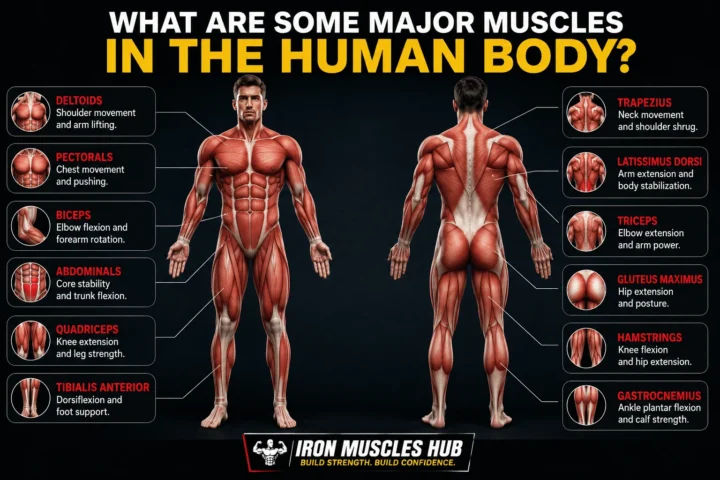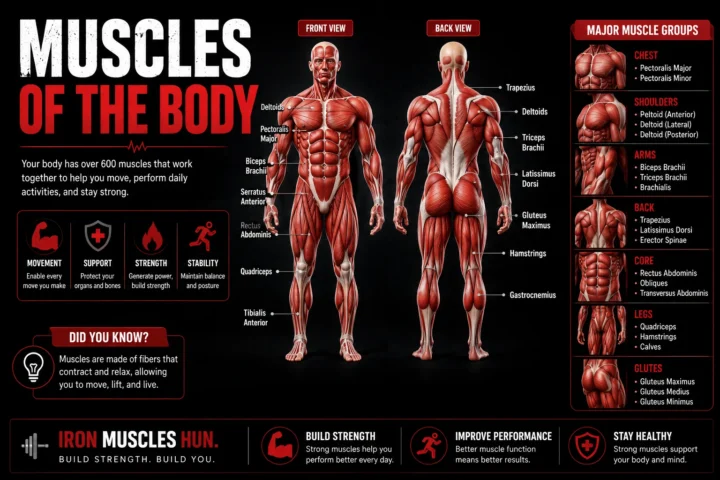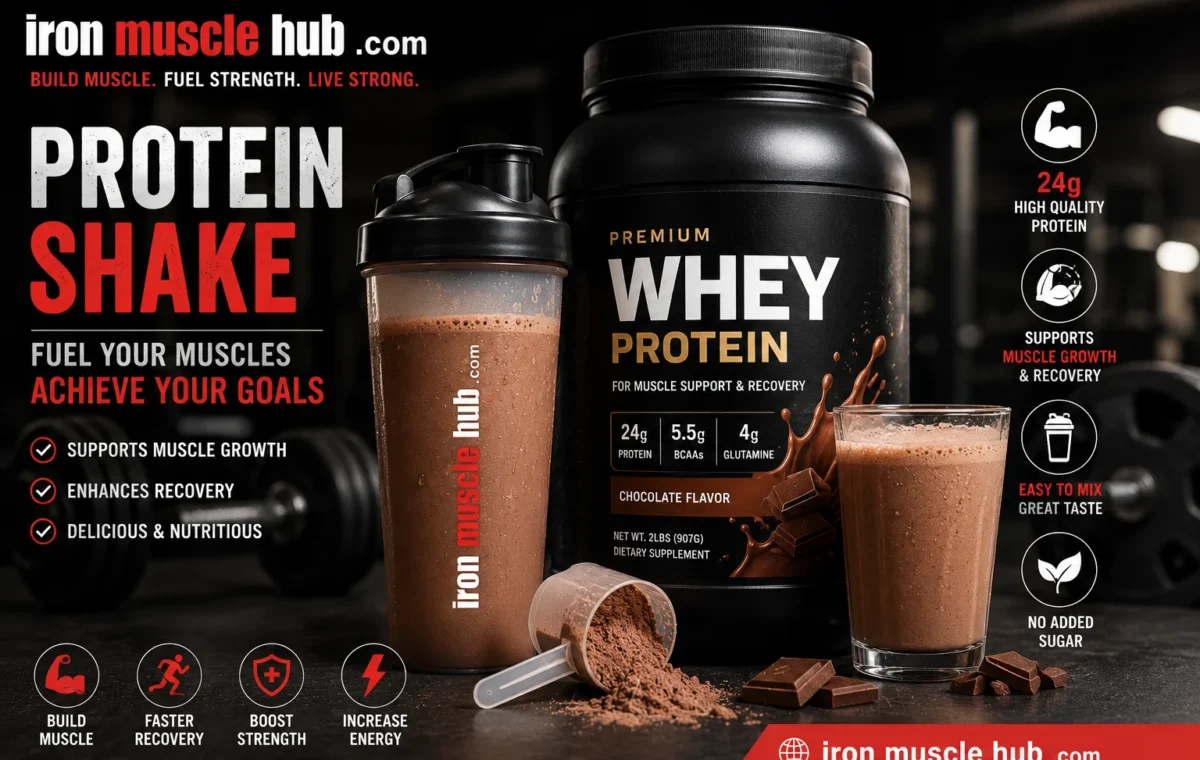
A protein shake is a drink made with a protein-rich ingredient such as milk, yogurt, protein powder, or a combination of foods. For most beginners, you don’t need an expensive supplement or complicated recipe to make one. A simple homemade shake can be a convenient way to add protein to your diet while keeping an eye on your grocery spending.
- Quick Answer: What Is a Protein Shake?
- Protein Shake: Do You Actually Need One?
- A useful rule
- How to Make a Simple Protein Shake
- An Affordable Protein Shake Formula
- The money-saving trick most people miss
- How to Choose Protein Powder Without Overspending
- Don't confuse total sugar with added sugar
- A Simple Worked Example for Your Grocery Budget
- Common Protein Shake Mistakes That Waste Money
- 1. Buying too many ingredients
- 2. Choosing based only on protein grams
- 3. Ignoring serving size
- 4. Letting fruit go to waste
- 5. Assuming expensive means better
- Are Protein Shakes Healthy?
- Protein Shake vs. Whole-Food Protein
- How to Make Protein Shakes Part of a Budget
- Internal Link Ideas for [SITE NAME]
- Frequently Asked Questions
- What is a protein shake?
- Is a protein shake good for you?
- Do I need protein powder to make a protein shake?
- Can protein shakes help you save money?
- How much protein should a person have each day?
- What should I look for when buying protein powder?
- A Protein Shake Can Be Simple and Affordable
- How to Build a Protein Shake Without Overspending
- A simple beginner formula
- The Cheapest Protein Shake Isn't Always the Best Value
- A second calculation can make your comparison even better
- Homemade Protein Shake vs. Ready-Made Shake
- How to Calculate Your Monthly Protein Shake Cost
- Example
- Don't Let a Protein Shake Replace Every Meal
- Protein Shake Ingredients Worth Keeping at Home
- Bananas
- Oats
- Greek Yogurt
- Milk
- Peanut Butter
- Frozen Fruit
- How to Make a Protein Shake More Filling
- What About Protein Shakes After Exercise?
- A Beginner's Protein Shake Shopping List
- Basic shopping list
- How to Avoid Protein Powder Waste
- The "Healthy" Marketing Trap
- A Better Way to Compare Protein Shake Recipes
- 1. Does it contain a useful protein source?
- 2. Does it fit your overall diet?
- 3. Can you afford it consistently?
- 4. Will you actually drink it?
- Protein Shake Budget: A Simple Weekly System
- Three Protein Shake Ideas for Beginners
- 1. Simple Banana Shake
- 2. Oat and Banana Shake
- 3. Berry Yogurt Shake
- Final Money-Saving Checklist
- Frequently Asked Questions
- Can I make a protein shake without protein powder?
- What is the cheapest way to make a protein shake?
- Are homemade protein shakes cheaper than store-bought ones?
- Can I drink a protein shake every day?
- What is the best liquid for a protein shake?
- How can I make protein shakes cheaper?
- Make Your Shake Fit Your Life and Your Budget
- Protein Shake Recipes You Can Build Around Your Budget
- 1. Banana Oat Protein Shake
- 2. Berry Protein Shake
- 3. Peanut Butter Banana Shake
- 4. Chocolate Oat Protein Shake
- How Much Does a Protein Shake Really Cost?
- Why this matters
- Cost Per Gram of Protein: A More Useful Comparison
- How to Read a Protein Powder Label
- 1. Serving size
- 2. Protein per serving
- 3. Calories
- 4. Added sugars
- 5. Ingredient list
- Protein Shake Marketing: What Should You Ignore?
- Whey, Plant-Based and Other Protein Powders
- Don't Buy a Protein Powder Before Checking These Five Things
- 1. Price per serving
- 2. Protein per serving
- 3. Serving size
- 4. Ingredients
- 5. Your usage rate
- A Simple "Should I Buy It?" Test
- Protein Shakes and Grocery Shopping
- How to Reduce Food Waste From Protein Shakes
- Freeze ripe bananas
- Buy only the fruit you use
- Use pantry ingredients
- Don't overbuild recipes
- Protein Shake vs. Breakfast
- What If You Don't Like Protein Powder?
- When a Protein Shake May Not Be the Best Choice
- The One-Week Protein Shake Experiment
- Day 1
- Day 2
- Day 3
- Day 4
- Day 5
- Day 6
- Day 7
- A Practical Protein Shake Budget Strategy
- Three Questions to Ask Before Buying a Ready-Made Protein Shake
- Is the convenience worth the price?
- Does the nutrition label match what you want?
- Could I make something similar at home?
- Protein Shake Mistakes to Avoid
- The Smartest Protein Shake Is the One You'll Actually Use
- Frequently Asked Questions
- What is the best protein shake for beginners?
- Is it cheaper to make a protein shake at home?
- How do I calculate the cost of protein powder?
- Is whey protein better than plant protein?
- Can I use ordinary food instead of protein powder?
- How can I stop protein shakes from becoming expensive?
- Final Thoughts: Keep the Protein Shake Simple
That’s especially useful if you’re trying to eat better without turning your food budget upside down. The trick is to compare the nutrition label, use ingredients you already enjoy, and avoid paying extra for ingredients you don’t actually need. For more insights read here :- how to gain muscle fast and how to grow muscle.
Quick Answer: What Is a Protein Shake?
A protein shake is simply a drink that provides protein. It can be made from ordinary foods, protein powder, or both.
| Question | Simple answer |
|---|---|
| What is a protein shake? | A drink containing a meaningful amount of protein |
| Do you need protein powder? | No. Milk, yogurt, soy foods and other protein-rich foods can also be used |
| Can you make one at home? | Yes, usually with a blender or shaker |
| Is a protein shake automatically healthy? | No. Check calories, added sugars, saturated fat and ingredients |
| Is protein powder necessary? | Not for everyone |
| Can homemade shakes save money? | They can, especially if you use inexpensive staple ingredients |
Protein is an important nutrient used by the body for growth and repair. Foods such as dairy, eggs, beans, pulses, fish and other protein-rich foods can provide it, and the NHS recommends getting protein from a variety of foods as part of a balanced diet.
Protein Shake: Do You Actually Need One?
Not necessarily.
A protein shake is a convenience, not a requirement for eating well. Harvard Health notes that the general adult Recommended Dietary Allowance for protein is 0.8 grams per kilogram of body weight per day, although individual needs can vary.
You can get protein from normal meals, including foods such as:
- Eggs
- Milk and yogurt
- Fish
- Chicken and other lean meats
- Beans and lentils
- Tofu and other soy foods
- Nuts and seeds
The NHS also points out that protein powders can be convenient but don’t provide all the additional nutrients found in whole foods, such as fibre, vitamins and minerals.
So if you’re buying a protein shake simply because you think every healthy person needs one, you may be spending money unnecessarily.
A useful rule
Use a protein shake when it solves a practical problem.
For example, it may be useful when:
- You don’t have time for a full meal.
- You struggle to include enough protein in your normal diet.
- You want a portable breakfast or snack.
- You prefer drinking something after exercise.
- You need an easy way to use ingredients already in your kitchen.
If none of those apply, a regular meal may work just as well.
How to Make a Simple Protein Shake
You don’t need a long ingredient list.
A basic homemade shake can start with:
- A liquid: milk, unsweetened soy milk or another suitable milk alternative.
- A protein source: Greek yogurt, protein powder, milk or another protein-rich ingredient.
- Fruit: banana or berries for flavour.
- Optional extras: oats, peanut butter, seeds, cocoa powder or ice.
Blend until smooth.
The exact nutrition will depend on the brands and quantities you use, so check the labels rather than assuming every homemade shake has the same calories or protein.
For example, an NHS hospital nutrition guide lists several homemade nourishing drinks using ingredients such as milk, plant-based milk, yogurt, oats, fruit and protein powder. The nutritional values vary substantially depending on the ingredients.
An Affordable Protein Shake Formula
If you’re trying to keep grocery costs under control, think in categories, not expensive recipes.
| Ingredient | Why use it? | Budget-minded approach |
| Milk or unsweetened soy milk | Liquid + protein | Buy a size you can actually finish |
| Banana | Flavour + texture | Use ripe bananas that might otherwise be wasted |
| Oats | Adds carbohydrates and texture | Keep a basic bag in the pantry |
| Greek yogurt | Protein + creamy texture | Compare price per serving |
| Protein powder | Convenient concentrated protein | Compare protein per serving and total cost |
| Peanut butter | Flavour + fat + some protein | A little can go a long way |
| Frozen fruit | Flavour and cold texture | Useful when fresh fruit is expensive |
The money-saving trick most people miss
Don’t automatically buy a shake ingredient because it has the word “protein” on the package.
Compare the cost per serving and the nutrition label.
A cheap tub isn’t necessarily cheaper if its serving size is small. Likewise, a premium product isn’t automatically better simply because it costs more.
Write down:
Package price ÷ number of servings = approximate cost per serving
Then compare that figure with other options.
This is a much better way to judge value than comparing package prices alone.
How to Choose Protein Powder Without Overspending
If you decide to use protein powder, start with the nutrition facts panel and ingredient list.
Look at:
- Protein per serving
- Serving size
- Calories
- Added sugars
- Saturated fat
- Ingredient list
- Cost per serving
The FDA says added sugars are listed separately on US Nutrition Facts labels, making them easier to identify. On the FDA label, 5% Daily Value or less is considered low, while 20% or more is considered high for added sugars.
UK shoppers can also use the nutrition information on packaged foods to compare calories, fat, saturates, sugars, protein and salt.
Don’t confuse total sugar with added sugar
This is an easy mistake.
Milk and fruit naturally contain sugars. Those aren’t the same thing as sugar added during processing.
For example, a shake containing milk and a banana can have naturally occurring sugar without being equivalent to a drink heavily sweetened with added sugar. The FDA explains this distinction on its Nutrition Facts guidance.
A Simple Worked Example for Your Grocery Budget
Imagine you’re deciding between buying a ready-made protein drink every day and making a shake at home.
Don’t assume the homemade option is cheaper automatically. Calculate it.
Suppose your homemade shake uses:
- 1 serving of milk
- 1 banana
- 1 serving of oats
- 1 serving of yogurt
- 1 serving of protein powder
If those ingredients cost you, for example, $0.60 + $0.25 + $0.10 + $0.50 + $0.70, the total would be:
$2.15 per shake
At five shakes per week:
$2.15 × 5 = $10.75 per week
Over four weeks:
$10.75 × 4 = $43
Those prices are illustrative only, not current market prices. Your actual cost will depend on the products, package sizes, retailer and country.
The important lesson is the method: calculate your own cost per shake before deciding which option is cheaper.
Common Protein Shake Mistakes That Waste Money
1. Buying too many ingredients
A recipe with eight or ten specialty ingredients can become expensive quickly.
Start with three or four ingredients you already like. Add something else only if it serves a purpose.
2. Choosing based only on protein grams
Protein matters, but it’s not the only number on the label.
Check calories, added sugars and the rest of the nutrition information too. A product can have a high-protein marketing message while still being a poor fit for your budget or eating pattern.
3. Ignoring serving size
Two powders may appear similar until you discover that one “serving” requires considerably more powder.
Always compare products using the actual serving information.
4. Letting fruit go to waste
This is where a shake can become a useful food-waste solution.
A ripe banana that you don’t want to eat on its own can be sliced and frozen for future shakes. The same idea can work with suitable leftover fruit.
5. Assuming expensive means better
A higher price doesn’t automatically mean better nutrition.
Read the label and compare the actual product rather than the marketing around it.
Are Protein Shakes Healthy?
They can be, but the answer depends on what’s in the shake and how it fits into your overall diet.
A shake made with nutritious ingredients can contribute protein and other nutrients. On the other hand, a shake can become much more calorie-dense if you add large amounts of nut butter, sweeteners, cream or other energy-dense ingredients.
The NHS recommends choosing lower-sugar options where practical, while the FDA advises using the Nutrition Facts label to compare added sugars and other nutrients.
Think of a protein shake as food in drink form, not as a magic health product.
Protein Shake vs. Whole-Food Protein
You don’t have to choose one forever.
| Option | Main advantage | Potential drawback |
| Whole foods | Provide protein alongside other nutrients | May take more preparation |
| Protein shake | Fast and convenient | Can cost more than basic foods |
| Protein powder + food | Flexible and easy to customize | Requires label and portion awareness |
| Ready-made shake | Extremely convenient | Price and nutrition vary by product |
For many people, a combination works well: ordinary meals most of the time, with a shake when convenience is genuinely useful.
People with specific medical or nutritional needs should get individual advice from an appropriate healthcare professional. For example, an NHS hospital resource specifically advises people with chronic kidney disease to discuss personalised protein targets with a dietitian.
How to Make Protein Shakes Part of a Budget
You don’t need a dedicated “protein shake budget.”
Instead, include the ingredients in your normal grocery plan.
Try this approach:
- Choose one main liquid. Don’t buy several types at once.
- Keep one or two fruits available.
- Use ordinary pantry staples, such as oats or peanut butter.
- Buy protein powder only if you’ll use it consistently.
- Compare unit prices, not just package prices.
- Track the cost of your finished shake for a week.
- Stop buying ingredients you repeatedly throw away.
That last step can make a bigger difference than finding a product that’s a few cents cheaper.
Internal Link Ideas for [SITE NAME]
Consider linking this article to:
- How to Build a Cheap Weekly Grocery Budget
- How to Save Money on Groceries Without Eating Poorly
- Easy High-Protein Meals on a Budget
These links can help readers move from one protein shake to a broader, more sustainable food budget.
Frequently Asked Questions
What is a protein shake?
A protein shake is a drink that contains protein from ingredients such as milk, yogurt, soy products or protein powder. You can make one at home with a few basic ingredients. Protein shakes are optional; many people can meet their protein needs through ordinary foods.
Is a protein shake good for you?
A protein shake can fit into a healthy diet, but it isn’t automatically healthy. Check the complete nutrition label, including calories, protein, added sugars and saturated fat. A homemade shake made with nutritious ingredients can be a practical option, particularly when convenience matters.
Do I need protein powder to make a protein shake?
No. You can make a protein-rich drink using foods such as milk and yogurt, or ingredients such as soy products. Protein powder is mainly a convenience option. NHS guidance also notes that adequate protein can be obtained through food, while powders can be useful when convenience is important.
Can protein shakes help you save money?
They can, but only if you compare the actual cost. Homemade shakes may be economical when you use inexpensive ingredients and avoid waste. Calculate the cost of one complete shake rather than assuming a large tub of protein powder or a homemade recipe is automatically cheaper.
How much protein should a person have each day?
Protein needs vary by individual. Harvard Health cites the general adult RDA of 0.8 grams per kilogram of body weight per day, while individual needs can differ based on factors such as age, activity and health circumstances.
What should I look for when buying protein powder?
Start with protein per serving, serving size, calories, added sugars, ingredients and cost per serving. Don’t judge a product by its front-of-package claims alone. Compare the nutrition label with other products before spending your money.
A Protein Shake Can Be Simple and Affordable
A good protein shake doesn’t need an expensive blender, a cupboard full of supplements or a complicated recipe. Start with a protein source, a suitable liquid and ingredients you actually enjoy.
From a money perspective, the biggest win is paying attention to cost per serving and food waste. From a nutrition perspective, look beyond the word “protein” and check the full label.
Most importantly, don’t buy a shake simply because it’s marketed as something you need. If it makes your routine easier and fits comfortably into your food budget, it can be a useful option. If a normal meal does the job for less, that’s perfectly fine too.
How to Build a Protein Shake Without Overspending
A protein shake can become surprisingly expensive if every recipe sends you shopping for a new ingredient. The better approach is to create a basic shake formula that you can change slightly depending on what you already have at home.
Think of your shake as four building blocks:
| Building block | Examples | Budget tip |
|---|---|---|
| Liquid | Milk, unsweetened soy milk, other milk alternatives | Choose one you already buy |
| Protein | Greek yogurt, milk, soy foods, protein powder | Compare cost per serving |
| Fruit | Banana, berries, other fruit | Use fresh or frozen based on price |
| Optional extras | Oats, peanut butter, seeds, cocoa | Add only what you’ll actually use |
This approach gives you flexibility without turning your kitchen into a supplement store.
A simple beginner formula
Start with:
Liquid + protein source + fruit + one optional ingredient
For example, milk + Greek yogurt + banana + oats gives you a filling drink without requiring a long shopping list.
If you already have protein powder, you can use that as your main protein ingredient instead of buying several different protein products.
The exact calories and protein will depend on the brands and quantities you choose, so use the product labels for your actual numbers.
The Cheapest Protein Shake Isn’t Always the Best Value
Price is only one part of the calculation.
Suppose one protein powder costs less per tub than another. That sounds like the obvious bargain, but the cheaper tub might contain fewer servings or provide a different amount of protein per serving.
Instead, compare:
Total price ÷ number of servings = cost per serving
You can then compare that with other protein sources.
For example, if a product costs $40 and contains 30 servings:
$40 ÷ 30 = about $1.33 per serving
That’s more useful than simply saying, “This tub costs $40.”
The same calculation works for ready-to-drink shakes, yogurt, or other packaged foods.
A second calculation can make your comparison even better
If you’re comparing protein powders, you can also look at:
Cost per serving ÷ grams of protein per serving
This gives you a rough idea of what you’re paying for each gram of protein.
It shouldn’t be the only factor you consider, but it’s useful when two products have similar ingredients and nutrition.
Homemade Protein Shake vs. Ready-Made Shake
Convenience has a price.
A ready-made shake can be useful if you’re travelling, working long hours or don’t have access to a blender. But buying one frequently can make your food budget less flexible.
A homemade shake gives you more control over:
- Ingredients
- Portion size
- Added sugar
- Flavour
- Cost
- Food waste
The best option depends on your routine.
If you buy a ready-made shake once in a while because it prevents you from buying an expensive takeaway meal, the convenience could be worthwhile. If you’re buying one every day simply because it’s become a habit, calculating the monthly cost may be eye-opening.
How to Calculate Your Monthly Protein Shake Cost
Here’s an easy budgeting exercise.
Write down everything that goes into one shake.
For example:
- Milk: your actual cost per portion
- Banana: your actual cost per banana
- Yogurt: your actual cost per portion
- Protein powder: your actual cost per serving
- Oats: your actual cost per portion
Add those figures together.
Then multiply the result by the number of shakes you normally make each week.
Finally, multiply that weekly amount by approximately four weeks.
Example
Imagine your actual ingredients work out to $1.80 per shake.
If you make five each week:
$1.80 × 5 = $9 per week
At four weeks:
$9 × 4 = $36
That’s an illustrative example rather than a claim about current grocery prices. Your own number could be much lower or higher.
The important part is that you now have a number you can compare with your normal grocery budget.
Don’t Let a Protein Shake Replace Every Meal
A shake can be convenient, but variety still matters.
Whole foods can provide protein alongside other nutrients, including fibre, vitamins and minerals. Harvard Health notes that protein powders can be convenient but aren’t nutritionally identical to eating a variety of whole foods.
That doesn’t mean you should avoid shakes.
It simply means they work best as one option within an overall eating pattern, rather than something you automatically use for every meal.
For example, you might have:
- Eggs and toast for breakfast
- A homemade protein shake as a snack
- A normal lunch
- A balanced dinner
The right pattern depends on your individual needs and preferences.
Protein Shake Ingredients Worth Keeping at Home
You don’t need all of these.
Pick the ingredients that you’ll actually use.
Bananas
Bananas are useful because they add sweetness and thickness without requiring a complicated recipe.
They’re also easy to freeze once they’re getting very ripe. Peel and slice them before freezing so they’re ready to blend.
Oats
Plain oats can add texture and make a shake more substantial.
They’re also a common pantry staple, so you may not need to buy a special ingredient just for smoothies.
Greek Yogurt
Greek yogurt can provide protein and a creamy texture. Compare nutrition labels and prices between brands rather than assuming the most expensive version is best.
Milk
Milk can provide both liquid and protein, depending on the type you choose.
If you’re using a plant-based alternative, check its nutrition label because protein content can vary significantly between products.
Peanut Butter
Peanut butter can add flavour and energy density. A small amount may be enough, so you don’t need to add several large spoonfuls.
If you’re trying to control calories or your grocery spending, portion size matters.
Frozen Fruit
Frozen fruit can be convenient because it lasts longer than many fresh options.
It can also eliminate the need for extra ice while giving the shake a colder texture.
How to Make a Protein Shake More Filling
If you drink a shake and feel hungry again shortly afterward, examine what’s actually in it.
A drink made mostly from liquid may not feel as satisfying as one containing a combination of protein, carbohydrates and other foods.
Depending on your dietary needs, ingredients such as oats, yogurt, fruit or nut butter can change the texture and energy content.
But don’t automatically add everything.
Each extra ingredient changes the nutritional profile and cost.
A useful question is:
“What problem am I trying to solve with this ingredient?”
If the answer is “I saw it in a recipe online,” you probably don’t need it.
What About Protein Shakes After Exercise?
You don’t need to treat the clock like a countdown timer.
Protein can be part of an overall diet that supports normal muscle maintenance and repair, but your entire day’s food intake matters more than obsessing over one specific shake.
If you enjoy having a protein shake after exercise and it fits your budget, there’s nothing inherently wrong with that approach.
You can also use an ordinary meal or snack instead.
For people with specific training goals, medical conditions or dietary requirements, individual nutrition advice from a qualified professional is more appropriate than following a generic internet recipe.
A Beginner’s Protein Shake Shopping List
If you’re starting from scratch, keep it simple.
Basic shopping list
- Milk or a suitable milk alternative
- Bananas or another fruit you enjoy
- Plain oats
- Greek yogurt, if you like it
- Peanut butter, if suitable for your diet
- Protein powder, only if you want the convenience
That’s enough to create several variations without buying a dozen specialty products.
You can then adjust your shopping list based on what you actually use.
How to Avoid Protein Powder Waste
Protein powder can be a poor purchase if you buy a large container before knowing whether you like it.
Before spending a lot, consider:
- Check the flavour. A product you dislike isn’t a bargain.
- Read the serving information. Don’t assume the scoop size is the same across brands.
- Check the expiry or best-before information.
- Calculate the cost per serving.
- Don’t buy several flavours at once.
- Store it according to the manufacturer’s instructions.
A $50 product that sits unused in your cupboard isn’t cheaper than a $20 product you actually finish.
The “Healthy” Marketing Trap
Protein products often use words designed to make them sound especially nutritious.
That’s why the nutrition label matters more than the front of the package.
Look beyond phrases such as:
- High protein
- Fitness
- Natural
- Energy
- Premium
- Performance
These words don’t tell you the complete nutritional picture.
Check the actual serving size and Nutrition Facts or nutrition information instead.
The FDA explains that the Nutrition Facts label is designed to help consumers understand the nutrient content of packaged foods, including calories, nutrients and added sugars.
A Better Way to Compare Protein Shake Recipes
Instead of asking, “Which recipe is healthiest?”, ask four practical questions:
1. Does it contain a useful protein source?
If you’re making a protein shake specifically to increase protein intake, make sure the ingredients actually provide it.
2. Does it fit your overall diet?
A shake doesn’t need to contain every nutrient you need. Look at your meals across the day.
3. Can you afford it consistently?
A recipe that costs too much isn’t a practical everyday choice.
4. Will you actually drink it?
A theoretically perfect shake isn’t useful if you hate the taste.
This simple checklist can save both money and food waste.
Protein Shake Budget: A Simple Weekly System
If you’re serious about keeping food spending under control, give your shakes a small place in your grocery plan.
For example:
Step 1: Decide how many shakes you’ll realistically make.
Step 2: Calculate your approximate cost per shake.
Step 3: Multiply by your weekly frequency.
Step 4: Add that amount to your grocery budget.
Step 5: Review the actual spending after a month.
If the number is higher than expected, don’t immediately search for a cheaper protein powder.
First ask whether you’re buying ingredients you don’t finish.
Food waste can quietly increase the cost of an otherwise inexpensive recipe.
Three Protein Shake Ideas for Beginners
1. Simple Banana Shake
Use a liquid base, banana and your preferred protein source.
This is a good starting point because the recipe doesn’t require many ingredients.
2. Oat and Banana Shake
Add oats to a basic banana shake if you want more texture and substance.
Keep the portion appropriate for your overall eating plan.
3. Berry Yogurt Shake
Combine a suitable liquid with yogurt and berries.
Frozen berries can be convenient, but compare prices because fresh and frozen options vary by retailer and season.
None of these recipes is automatically “best.” Your best option is the one that suits your taste, nutritional needs and budget.
Final Money-Saving Checklist
Before buying another protein product, ask yourself:
- Do I actually need a protein shake?
- Could ordinary food meet the same need?
- Have I checked the cost per serving?
- Have I checked the serving size?
- Have I compared protein and added sugar?
- Will I use the entire package?
- Do I already have cheaper ingredients at home?
- Does this purchase fit my grocery budget?
If you can answer those questions confidently, you’re much less likely to spend money because of clever packaging or fitness marketing.
Frequently Asked Questions
Can I make a protein shake without protein powder?
Yes. Protein powder isn’t required. Milk, yogurt and soy-based ingredients can contribute protein to a homemade shake. The amount will depend on the specific ingredients and portions you use, so check their nutrition information if protein intake is important to you.
What is the cheapest way to make a protein shake?
There isn’t one universal cheapest recipe because grocery prices vary by location and retailer. A practical strategy is to use inexpensive ingredients you already buy, such as milk, oats and bananas, and calculate the actual cost of one complete shake before buying specialty products.
Are homemade protein shakes cheaper than store-bought ones?
They can be, but you should calculate the cost rather than assume it. Homemade shakes may cost less when you use basic ingredients and avoid waste. Ready-made shakes may be worthwhile when convenience prevents a more expensive food purchase.
Can I drink a protein shake every day?
Whether a daily shake makes sense depends on your overall diet, protein needs, health circumstances and goals. A protein shake can be part of a balanced diet, but it doesn’t need to replace a varied selection of whole foods.
What is the best liquid for a protein shake?
There isn’t one universally best choice. Milk, soy milk and other suitable milk alternatives can work. Compare their nutrition information, taste and price, particularly if you’re making shakes regularly.
How can I make protein shakes cheaper?
Use fewer ingredients, buy foods you already eat, compare unit prices, calculate cost per serving and avoid buying specialty products that sit unused. Frozen fruit and pantry staples can also help reduce waste, depending on local prices.
Make Your Shake Fit Your Life and Your Budget
The smartest protein shake isn’t necessarily the one with the longest ingredient list or the highest price tag.
Start with a simple recipe. Work out what one serving actually costs. Check the nutrition label, buy ingredients you know you’ll use and make adjustments based on your own routine.
If a homemade shake helps you eat conveniently without pushing your grocery spending higher, it can be a useful addition to your routine. If you discover that ordinary meals are cheaper and easier, there’s no reason to force yourself to drink one.
The goal isn’t to spend more money on protein. It’s to make practical food choices that work for your nutrition needs and your budget.
Protein Shake Recipes You Can Build Around Your Budget
Once you understand the basic formula, you don’t need a new recipe every morning. A few flexible combinations can cover most situations.
The key is to adjust ingredients based on what you already have rather than buying something new for every recipe.
1. Banana Oat Protein Shake
Basic ingredients:
- Milk or a suitable milk alternative
- One banana
- Oats
- Greek yogurt or protein powder
- Ice, if desired
Blend until smooth.
This is a practical option if you already keep bananas and oats at home. If you’re using protein powder, check its serving information rather than adding an arbitrary amount.
2. Berry Protein Shake
Basic ingredients:
- Milk or suitable milk alternative
- Berries
- Greek yogurt or protein powder
- Ice
Frozen berries can make the drink cold without needing much ice.
Compare the price of fresh and frozen fruit in your area before deciding which makes more sense for your budget.
3. Peanut Butter Banana Shake
Basic ingredients:
- Milk
- Banana
- Protein source
- A modest amount of peanut butter
Peanut butter can make a shake richer and more filling, but remember that it also adds calories and cost. You don’t need a large amount to change the flavour.
4. Chocolate Oat Protein Shake
Basic ingredients:
- Milk or suitable milk alternative
- Oats
- Banana
- Protein powder or yogurt
- Unsweetened cocoa powder
The cocoa gives you chocolate flavour without requiring a chocolate-flavoured syrup.
Check the label on your cocoa product if you’re tracking ingredients closely.
How Much Does a Protein Shake Really Cost?
The only reliable way to answer this for your household is to calculate it using the prices you actually pay.
Here’s a simple worksheet:
| Ingredient | Package price | Servings | Cost per serving |
|---|---|---|---|
| Milk | Your price | Your servings | Price ÷ servings |
| Protein powder | Your price | Your servings | Price ÷ servings |
| Banana | Your price | Number purchased | Price ÷ number |
| Oats | Your price | Your servings | Price ÷ servings |
| Yogurt | Your price | Your servings | Price ÷ servings |
| Total | — | — | Add the serving costs |
This method works in both the US and UK because you’re using your own supermarket receipts.
Why this matters
Imagine two protein powders:
- Powder A costs $30 per container and has 20 servings.
- Powder B costs $45 per container and has 40 servings.
Powder A:
$30 ÷ 20 = $1.50 per serving
Powder B:
$45 ÷ 40 = $1.125 per serving
The second package costs more at checkout but less per serving.
That’s why package price alone can give you the wrong answer.
These are illustrative figures, not current product prices.
Cost Per Gram of Protein: A More Useful Comparison
You can go one step further.
Suppose a protein powder provides 24 grams of protein per serving and costs $1.20 per serving.
The rough cost per gram is:
$1.20 ÷ 24 = $0.05 per gram of protein
This calculation can help compare products with different serving sizes.
However, don’t use cost per gram as your only buying criterion. Ingredients, taste, dietary requirements and the rest of the nutrition label still matter.
How to Read a Protein Powder Label
The front of the package is designed to attract attention. The nutrition panel is where you should make your decision.
Look at these items in order.
1. Serving size
First check how much powder the manufacturer considers one serving.
A product might appear inexpensive until you discover that the container contains fewer servings than you expected.
2. Protein per serving
If you’re buying the product specifically as a protein supplement, this is obviously important.
Compare products using the same basis rather than comparing one scoop with another product’s larger serving.
3. Calories
A shake can become much more calorie-dense once you combine powder with milk, oats, nut butter and other ingredients.
That isn’t automatically bad. It simply means the entire recipe matters.
4. Added sugars
For products sold in the US, the FDA Nutrition Facts label provides an Added Sugars line.
The FDA says that 5% Daily Value or less is low and 20% or more is high.
Use that information as one part of your decision rather than treating it as a complete verdict on a product.
5. Ingredient list
Look at what you’re actually buying.
If you have allergies, intolerances or dietary restrictions, pay particular attention to the ingredients and relevant allergen information.
Protein Shake Marketing: What Should You Ignore?
You don’t need to be impressed by every phrase printed on a tub.
Words such as:
- Premium
- Performance
- Fitness
- Advanced
- Clean
- Natural
- Pro
- Recovery
don’t tell you exactly what you’ll consume or what you’ll pay per serving.
Instead, ask:
How much does it cost?
How much protein does a serving provide?
What else is in the product?
Will I actually use it?
Those questions are much more useful than the product’s branding.
Whey, Plant-Based and Other Protein Powders
Protein powders come from different sources.
Whey is a milk-derived protein. Plant-based powders may use ingredients such as soy, peas, rice or blends of plant proteins.
There isn’t one type that is automatically best for everyone.
Your choice can depend on:
- Dietary preferences
- Allergies or intolerances
- Taste
- Price
- Availability
- Nutrition information
If you’re comparing two products, use their actual labels rather than assuming one category is always superior.
For people with specific dietary or medical needs, a registered dietitian or another qualified healthcare professional can provide more appropriate individual guidance.
Don’t Buy a Protein Powder Before Checking These Five Things
Before clicking “buy,” check:
1. Price per serving
This is more meaningful than tub price.
2. Protein per serving
Make sure the product provides the amount you’re looking for.
3. Serving size
Check how much powder you actually need to use.
4. Ingredients
Make sure the product suits your dietary requirements.
5. Your usage rate
Ask yourself how quickly you’ll finish the container.
If a large tub will take months to finish and you aren’t sure you’ll like it, buying the biggest package simply because it has a lower sticker price may not be sensible.
A Simple “Should I Buy It?” Test
Before purchasing a protein shake product, score it against these questions:
| Question | Yes/No |
| Does it fit my budget? | |
| Do I like the ingredients? | |
| Does the protein amount suit my needs? | |
| Have I checked the serving size? | |
| Have I compared the cost per serving? | |
| Will I actually use the product? | |
| Does it fit my dietary requirements? |
If several answers are “no,” don’t buy it just because it’s popular.
There will always be another product.
Protein Shakes and Grocery Shopping
A shake can actually make grocery planning easier if you treat its ingredients like normal food.
Instead of creating a separate supplement shopping trip, combine your ingredients with your normal grocery list.
For example:
Produce: bananas, berries
Dairy/refrigerated: milk, yogurt
Pantry: oats, peanut butter, cocoa
Optional supplement: protein powder
This makes it easier to see the total cost.
It also prevents a common problem: buying a protein powder while forgetting that the shake still requires milk, fruit and other ingredients.
How to Reduce Food Waste From Protein Shakes
Food waste is one of the easiest hidden costs to overlook.
Here are a few practical fixes.
Freeze ripe bananas
If bananas are getting too soft for your preference, peel and slice them before freezing.
Buy only the fruit you use
A huge bag of fruit isn’t a bargain if half ends up in the bin.
Use pantry ingredients
Oats, cocoa and peanut butter can often be used in several meals, not just shakes.
Don’t overbuild recipes
Every additional ingredient creates another opportunity for waste.
A four-ingredient shake you drink regularly can be better value than a twelve-ingredient recipe you make twice.
Protein Shake vs. Breakfast
A protein shake can sometimes function as a quick breakfast, but don’t assume that every shake provides everything a complete meal would.
For example, a basic protein powder mixed with water may provide protein but very little else.
Adding foods such as fruit, oats or yogurt changes the nutritional profile.
The right choice depends on your overall diet and individual needs.
The NHS recommends eating a varied, balanced diet that includes a range of food groups rather than relying on one food or drink to provide everything.
What If You Don’t Like Protein Powder?
Skip it.
Seriously.
You don’t need to force yourself to drink something you dislike just because fitness content makes it seem essential.
You can make a protein-rich shake using foods you already enjoy.
Milk and yogurt are examples of foods that can contribute protein. Beans, lentils, eggs, fish, meat and soy foods can provide protein through regular meals as well.
Protein powder is a convenience tool, not a requirement for a healthy diet.
When a Protein Shake May Not Be the Best Choice
There are situations where a shake may not solve the problem you’re trying to solve.
If you’re already eating enough and adding another drink simply increases your grocery spending, there’s little financial advantage.
If your shake is replacing a varied diet with a narrow selection of supplements, reconsider the overall eating pattern.
And if you have a medical condition requiring specific dietary restrictions, don’t rely on generic shake recipes for personalised nutrition advice.
The One-Week Protein Shake Experiment
Here’s a simple way to find out if shakes actually work for you.
Day 1
Choose one simple recipe.
Day 2
Calculate its approximate cost per serving.
Day 3
Check whether you enjoyed it and felt satisfied.
Day 4
Look at what ingredients you used.
Day 5
Check whether anything is being wasted.
Day 6
Compare the cost with an ordinary snack or breakfast you already eat.
Day 7
Decide whether the shake deserves a regular place in your grocery budget.
This small experiment can tell you more than reading dozens of online “best protein shake” lists.
A Practical Protein Shake Budget Strategy
If you decide shakes are useful, give yourself a simple spending limit.
For example:
Monthly shake budget = expected number of shakes × average cost per shake
If your household budget changes, you can adjust the number of shakes rather than automatically buying the same amount of supplements.
This turns protein shakes into a normal budgeting decision instead of an impulse purchase.
Three Questions to Ask Before Buying a Ready-Made Protein Shake
Is the convenience worth the price?
If you need something portable, perhaps yes.
Does the nutrition label match what you want?
Check protein, calories, added sugars and other relevant information.
Could I make something similar at home?
If the answer is yes and you have the time, compare the actual costs.
Sometimes paying for convenience is perfectly reasonable. The important thing is knowing that you’re paying for convenience.
Protein Shake Mistakes to Avoid
Don’t:
- Buy the biggest tub without checking whether you’ll use it.
- Compare products only by package price.
- Ignore serving sizes.
- Assume “high protein” means nutritionally perfect.
- Add several calorie-dense ingredients without considering portions.
- Buy specialty ingredients for one recipe.
- Throw away fruit that could have been frozen.
- Replace a varied diet with protein products simply because they’re convenient.
- Treat online fitness advice as personalised medical or nutritional advice.
The Smartest Protein Shake Is the One You’ll Actually Use
A protein shake doesn’t need to be complicated.
A simple combination of a protein source, liquid and a few foods you already enjoy can be enough. The bigger opportunity is learning how to evaluate the total cost, not getting caught up in premium packaging or complicated recipes.
If you use protein powder, compare serving sizes, protein amounts, ingredients and price. If you don’t use protein powder, that’s fine too. Ordinary foods can contribute protein as part of a balanced diet.
For your wallet, the most important question is simple:
Does this shake give you enough practical value to justify what you’re spending?
If the answer is yes, build it into your grocery budget. If not, put the money toward foods you enjoy and will actually eat.
Frequently Asked Questions
What is the best protein shake for beginners?
There isn’t one universally best protein shake. A good beginner option is a simple recipe containing a protein source, liquid and one or two foods you already enjoy. Starting with fewer ingredients makes it easier to calculate the cost, understand the nutrition and avoid food waste.
Is it cheaper to make a protein shake at home?
It can be, particularly if you use inexpensive ingredients that you already purchase. But homemade doesn’t automatically mean cheaper. Calculate the cost of every ingredient in one serving and compare it with the price of the ready-made option you’re considering.
How do I calculate the cost of protein powder?
Divide the package price by the number of servings stated on the package. For example, an illustrative $36 container with 30 servings would cost $1.20 per serving. Use your actual purchase price and serving count because prices and package sizes vary.
Is whey protein better than plant protein?
Neither category is automatically best for every person. Whey comes from milk, while plant-based products can contain proteins from sources such as soy, peas or rice. Taste, dietary requirements, allergies, price and the product’s nutrition information can all affect which option makes sense for you.
Can I use ordinary food instead of protein powder?
Yes. Protein can come from foods such as dairy, eggs, beans, lentils, fish, meat and soy foods. Protein powder is mainly useful as a convenient way to add concentrated protein. Your overall diet matters more than whether you use a supplement.
How can I stop protein shakes from becoming expensive?
Keep your recipes simple, calculate cost per serving, compare unit prices and avoid buying ingredients that you rarely use. A small number of versatile ingredients is often easier to budget than a large collection of specialty products.
Final Thoughts: Keep the Protein Shake Simple
The biggest mistake beginners make isn’t choosing the “wrong” protein powder. It’s making the whole process more complicated and expensive than it needs to be.
Start with foods you already enjoy. Build one simple shake, calculate what it costs, read the nutrition label and see how it fits into your normal meals.
If protein powder makes your routine easier, use it sensibly. If yogurt, milk, soy foods or ordinary meals work better for you, there’s no requirement to buy a supplement.
Good budgeting isn’t about choosing the cheapest possible option every time. It’s about spending deliberately on things that genuinely help you.
A protein shake can be one of those things. It just doesn’t have to be an expensive one.