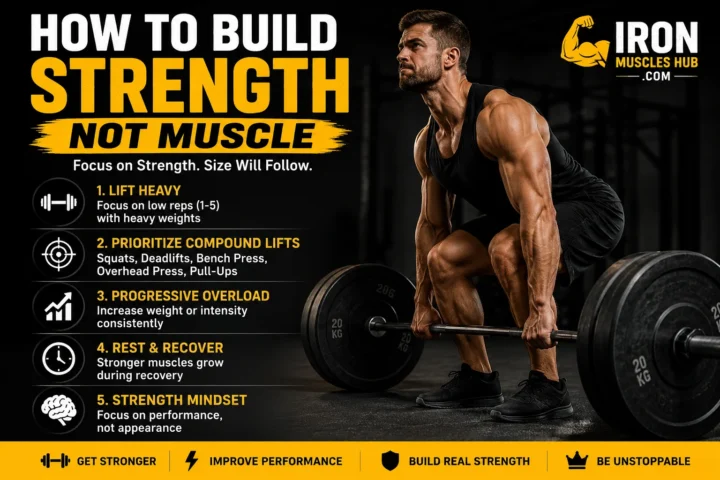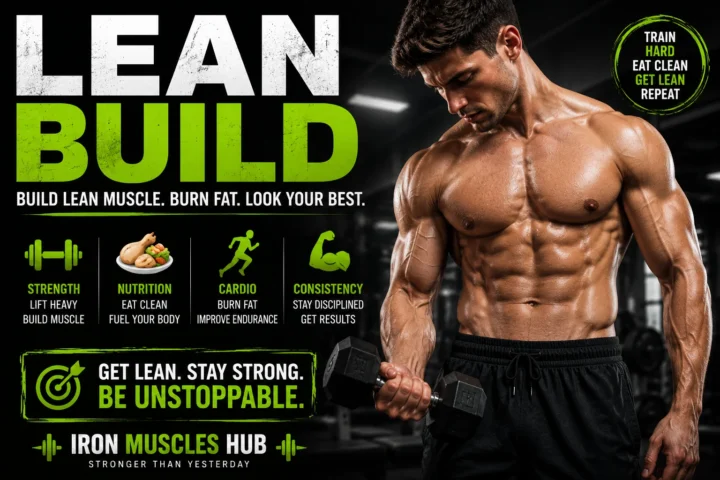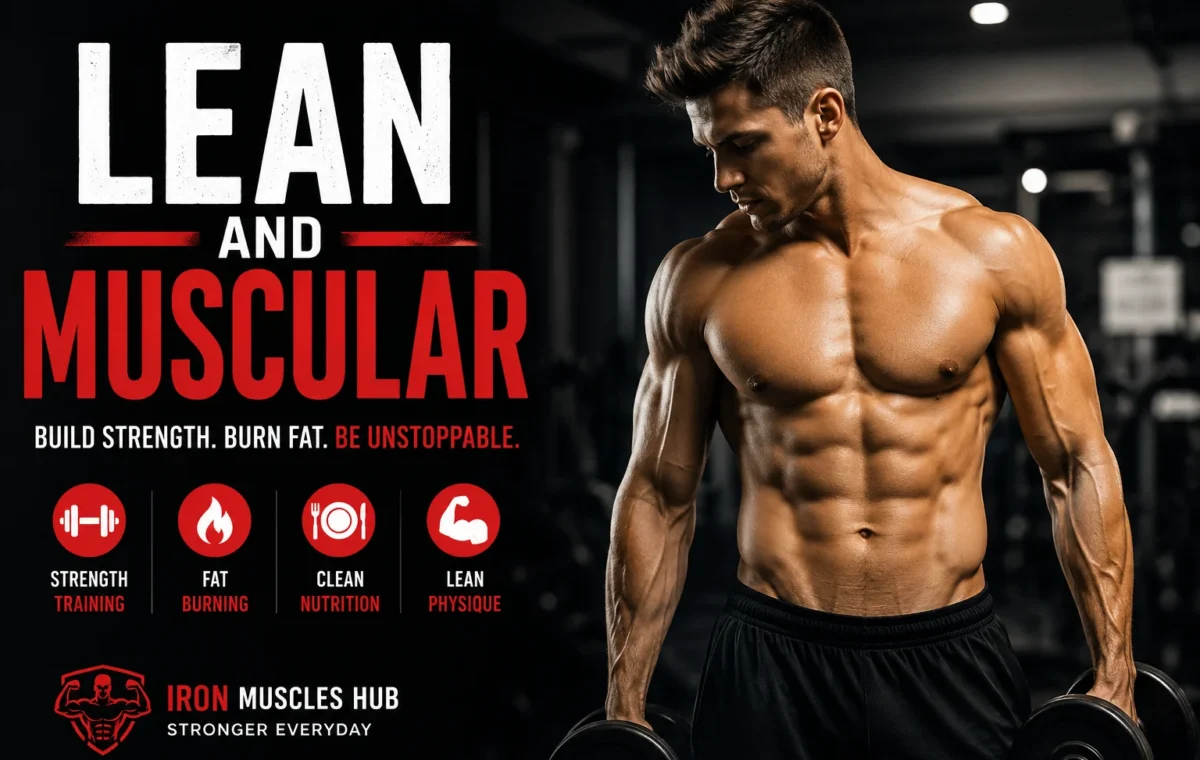
Being lean and muscular means having a healthy balance of muscle mass and body fat. It’s not about becoming as large as possible—it’s about building a strong, athletic physique with visible muscle definition while maintaining good overall health.
- Quick Answer
- Key Takeaways
- Better Overall Health
- Increased Strength
- Improved Athletic Performance
- Higher Confidence
- Best Compound Exercises
- Beginner Workout Split
- Signs You're Building Lean Muscle
- Step 6: Build a Lean and Muscular Body with the Right Nutrition
- Excellent Protein Sources
- Best Carbohydrates for Lean Muscle
- Lean Bulk
- Cutting
- Get Quality Sleep
- Schedule Rest Days
- Manage Stress
- 1. Eating Too Little Protein
- 2. Skipping Meals
- 3. Avoiding All Carbohydrates
- 4. Depending on Supplements
- 5. Ignoring Recovery Nutrition
- Is it possible to become lean and muscular at the same time?
- How long does it take to get lean and muscular?
- Can I get lean and muscular without going to a gym?
- Do I need supplements to build lean muscle?
- How much cardio should I do?
- What is the biggest mistake beginners make?
If your goal is to become lean and muscular, focus on three key areas: consistent strength training, balanced nutrition, and proper recovery. These habits work together to help you build muscle while keeping body fat under control.
The good news is you don’t need expensive equipment, complicated diets, or endless hours in the gym. With the right plan and enough patience, beginners can achieve impressive results naturally. For more insights read here:-how to get a compact body build and leaner physique.
Quick Answer
| Goal | Action |
|---|---|
| Build Muscle | Strength train 3–5 days weekly |
| Stay Lean | Eat a balanced diet with adequate protein |
| Improve Definition | Control calorie intake and exercise consistently |
| Gain Strength | Use progressive overload |
| Recover Faster | Sleep 7–9 hours each night |
| Long-Term Success | Stay consistent for several months |
Key Takeaways
- Build muscle through resistance training.
- Eat enough protein every day.
- Don’t neglect recovery.
- Focus on compound exercises.
- Stay patient and consistent.
What Does Lean and Muscular Mean?
A lean and muscular physique combines well-developed muscles with a relatively low body fat percentage. Instead of appearing bulky, your muscles become more visible because there is less fat covering them.
Characteristics often include:
- Defined shoulders
- Visible chest muscles
- Athletic arms
- Strong back
- Lean waist
- Muscular legs
- Balanced body proportions
This type of physique is popular because it looks athletic, improves functional strength, and is easier to maintain than extremely large bodybuilding physiques.
Benefits of Being Lean and Muscular
Building a lean body offers more than appearance alone.
Better Overall Health
Regular strength training helps improve muscle strength, supports healthy bones, and makes everyday activities easier.
Increased Strength
As your muscles grow stronger, everyday tasks such as lifting groceries, climbing stairs, or moving furniture become easier.
Improved Athletic Performance
A lean, muscular body often improves:
- Speed
- Balance
- Agility
- Endurance
- Coordination
Higher Confidence
Many people report feeling more confident as they become stronger and healthier.
Can Beginners Become Lean and Muscular?
Absolutely.
You don’t need perfect genetics to build muscle.
Success depends on:
- Following a structured workout program
- Eating nutritious foods
- Sleeping enough
- Staying consistent
- Training with good technique
Progress may seem slow initially, but small improvements each week add up over time.
Step 1: Start Strength Training
Strength training should be the foundation of your fitness program.
Aim for 3–5 workouts each week.
Focus on exercises that train multiple muscles simultaneously.
Best Compound Exercises
| Exercise | Muscles Worked |
|---|---|
| Squat | Legs, glutes, core |
| Deadlift | Back, hamstrings, glutes |
| Bench Press | Chest, shoulders, triceps |
| Pull-Ups | Back, biceps |
| Barbell Row | Upper back |
| Overhead Press | Shoulders, triceps |
These exercises help you build muscle more efficiently than relying only on isolation movements.
Step 2: Follow Progressive Overload
Your muscles grow when they face gradually increasing challenges.
Progressive overload simply means making your workouts slightly harder over time.
You can do this by:
- Increasing the weight
- Performing more repetitions
- Adding an extra set
- Improving exercise form
- Reducing rest periods slightly
Example:
| Week | Bench Press |
|---|---|
| Week 1 | 3 × 8 @ 95 lb |
| Week 3 | 3 × 10 @ 95 lb |
| Week 5 | 3 × 8 @ 105 lb |
Small improvements create significant long-term muscle growth.
Step 3: Train Every Major Muscle Group
Avoid training only your chest and arms.
A balanced physique requires equal attention to:
- Chest
- Back
- Shoulders
- Legs
- Arms
- Core
Beginner Workout Split
| Day | Workout |
|---|---|
| Monday | Chest & Triceps |
| Tuesday | Back & Biceps |
| Wednesday | Rest or Walking |
| Thursday | Legs |
| Friday | Shoulders & Core |
| Saturday | Full Body |
| Sunday | Rest |
Training every muscle group helps prevent muscular imbalances and reduces injury risk.
Step 4: Add Cardio Without Overdoing It
Many beginners worry that cardio will reduce muscle growth.
The truth is moderate cardio supports heart health and helps manage body fat.
Good options include:
- Walking
- Cycling
- Swimming
- Rowing
- Light jogging
Aim for 20–30 minutes, 2–3 times per week, alongside your strength-training routine.
Step 5: Track Your Progress
Tracking your progress helps you stay motivated and identify what’s working.
Record:
- Body weight
- Workout weights
- Waist measurement
- Progress photos
- Energy levels
Don’t judge progress by the scale alone. Muscle gain and fat loss can happen at the same time, especially for beginners.
Signs You’re Building Lean Muscle
You may notice:
- Increased strength
- Better posture
- Clothes fitting differently
- Improved muscle definition
- Higher energy levels
- Better workout performance
These changes often appear before dramatic visual transformations.
Common Beginner Mistakes
Avoid these mistakes if your goal is becoming lean and muscular:
- Skipping leg workouts
- Changing workout plans every week
- Eating too little protein
- Sleeping less than seven hours
- Training with poor technique
- Expecting instant results
- Comparing yourself to others
Consistency always beats perfection.
Step 6: Build a Lean and Muscular Body with the Right Nutrition
Exercise provides the stimulus for muscle growth, but nutrition gives your body the building blocks it needs to recover and become stronger. Without a balanced diet, you’ll struggle to gain muscle or lose excess body fat.
The goal isn’t to follow a restrictive diet. Instead, focus on eating nutritious whole foods that support your training and recovery. For more explore how to put muscle mass on fast
Prioritize Protein
Protein is the most important nutrient for building and maintaining muscle.
Try to include a quality protein source at every meal.
Excellent Protein Sources
| Food | Benefits |
|---|---|
| Chicken Breast | High protein, low fat |
| Turkey | Lean and filling |
| Eggs | Complete protein with healthy fats |
| Greek Yogurt | High in protein and calcium |
| Cottage Cheese | Slow-digesting protein |
| Salmon | Protein plus healthy omega-3 fats |
| Tuna | Lean and convenient |
| Lean Beef | Protein with iron and zinc |
| Tofu | Great plant-based option |
| Lentils & Beans | Protein and fiber |
Eating protein throughout the day supports muscle recovery more effectively than consuming most of it in one meal.
Choose Healthy Carbohydrates
Carbohydrates are your body’s preferred energy source during strength training.
Instead of avoiding carbs, choose nutrient-rich options.
Best Carbohydrates for Lean Muscle
- Oatmeal
- Brown rice
- Sweet potatoes
- Whole-grain bread
- Quinoa
- Fruits
- Vegetables
- Whole-grain pasta
These foods provide long-lasting energy and help replenish glycogen stores after exercise.
Include Healthy Fats
Healthy fats support hormone production, brain function, and overall health.
Good choices include:
- Avocados
- Almonds
- Walnuts
- Cashews
- Olive oil
- Peanut butter
- Chia seeds
- Flaxseeds
- Salmon
Healthy fats are calorie-dense, so enjoy them in reasonable portions.
Drink Enough Water
Hydration affects nearly every aspect of performance, including strength, endurance, and recovery.
Simple hydration tips:
- Drink water throughout the day.
- Have water before, during, and after workouts.
- Increase your fluid intake in hot weather or after intense exercise.
Staying hydrated also helps reduce fatigue and supports healthy muscle function.
Step 7: Lean Bulk vs. Cutting
Many beginners wonder whether they should bulk or lose fat first.
The answer depends on your current body composition.
Lean Bulk
If you’re naturally slim or have a low body fat percentage, a lean bulk can help you gain muscle with minimal fat gain.
Benefits include:
- Gradual muscle growth
- Better strength gains
- Easier to maintain muscle definition
- Less fat to lose later
Cutting
If you’re carrying more body fat than you’d like, a moderate calorie deficit combined with strength training can help you lose fat while preserving muscle.
Avoid crash diets, as they may reduce energy levels and make it harder to recover from workouts.
Sample Lean Muscle Meal Plan
| Meal | Example |
|---|---|
| Breakfast | Oatmeal, scrambled eggs, blueberries |
| Morning Snack | Greek yogurt and almonds |
| Lunch | Grilled chicken, brown rice, broccoli |
| Afternoon Snack | Apple with peanut butter |
| Dinner | Baked salmon, sweet potato, mixed vegetables |
| Evening Snack | Cottage cheese or a protein shake |
This meal plan provides a balance of protein, carbohydrates, healthy fats, vitamins, and minerals to support muscle growth and recovery.
Step 8: Recovery Is Where Growth Happens
Many people think muscle grows during workouts.
In reality, muscles grow while you’re resting and recovering.
Get Quality Sleep
Aim for 7–9 hours of sleep every night.
Good sleep helps:
- Repair muscle tissue
- Improve strength
- Boost workout performance
- Support hormone balance
- Reduce fatigue
Poor sleep often leads to slower recovery and decreased training performance.
Schedule Rest Days
Rest is an important part of every training program.
Plan 1–2 full rest days each week or use active recovery activities such as:
- Walking
- Light cycling
- Stretching
- Yoga
- Mobility exercises
Recovery allows your muscles to rebuild stronger than before.
Manage Stress
Long-term stress can affect motivation, recovery, and overall well-being.
Simple stress-management strategies include:
- Taking short walks
- Deep breathing exercises
- Meditation
- Reading
- Spending time outdoors
- Limiting screen time before bed
Healthy habits outside the gym support better performance inside the gym.
Foods to Limit
You don’t need to eliminate your favorite foods completely, but limiting highly processed options can make it easier to stay lean.
Try to reduce:
- Sugary soft drinks
- Candy
- Deep-fried foods
- Excess fast food
- Processed snacks
- Heavy alcohol consumption
Enjoy treats occasionally while keeping most of your meals nutrient-dense.
Common Nutrition Mistakes
Many beginners unknowingly slow their progress by making these mistakes.
1. Eating Too Little Protein
Without enough protein, your muscles cannot recover and grow efficiently.
2. Skipping Meals
Regular meals help provide the energy and nutrients your body needs throughout the day.
3. Avoiding All Carbohydrates
Carbohydrates fuel intense workouts. Eliminating them completely often reduces training performance.
4. Depending on Supplements
Supplements can support your diet, but they cannot replace balanced meals, quality training, and adequate sleep.
5. Ignoring Recovery Nutrition
Eating a balanced meal containing protein and carbohydrates after training can help support recovery.
How Long Does It Take to Become Lean and Muscular?
Results vary depending on your starting point, consistency, training quality, nutrition, and recovery.
Here’s a realistic timeline:
| Time | What You May Notice |
|---|---|
| 2–4 Weeks | Increased energy and improved workout technique |
| 1–3 Months | Better strength and early muscle definition |
| 3–6 Months | Visible lean muscle growth and improved physique |
| 6–12 Months | Noticeable transformation with consistent effort |
| 1–2 Years | Well-developed lean and muscular physique |
Remember that fitness is a long-term journey. Focus on steady progress rather than quick results.
Weekly Success Checklist
✔ Complete 3–5 strength workouts
✔ Eat protein with every meal
✔ Stay hydrated daily
✔ Include vegetables and fruit
✔ Get 7–9 hours of sleep
✔ Train every major muscle group
✔ Increase weights gradually
✔ Stay consistent for at least 12 weeks
Small habits repeated consistently lead to impressive long-term results.
Is it possible to become lean and muscular at the same time?
Yes. Beginners can often build muscle while reducing body fat through a process called body recomposition. This works best when you combine strength training, a high-protein diet, consistent exercise, and adequate sleep. Progress is usually gradual, so patience and consistency are essential.
How long does it take to get lean and muscular?
The timeline varies depending on your starting point, genetics, nutrition, and training consistency.
Most people can expect:
- 2–4 weeks: Better energy and strength
- 1–3 months: Improved muscle definition
- 3–6 months: Noticeable physique changes
- 6–12 months: Significant lean muscle development
Long-term consistency produces the best and most sustainable results.
Can I get lean and muscular without going to a gym?
Yes. While a gym offers more equipment, you can build an athletic physique at home using bodyweight exercises and basic equipment.
Effective home exercises include:
- Push-ups
- Pull-ups
- Squats
- Lunges
- Bulgarian split squats
- Pike push-ups
- Resistance band rows
- Planks
As you become stronger, increase the difficulty by adding resistance or choosing more challenging exercise variations.
Do I need supplements to build lean muscle?
No. Supplements are optional and should never replace a healthy diet.
Some commonly used supplements include:
| Supplement | Purpose |
|---|---|
| Whey Protein | Helps meet daily protein goals |
| Creatine Monohydrate | Supports strength and high-intensity performance |
| Fish Oil | Supports overall health when dietary intake is low |
| Vitamin D | May help people with low vitamin D levels |
Whole foods should remain the foundation of your nutrition plan.
How much cardio should I do?
For most people aiming to become lean and muscular, 2–3 cardio sessions per week, lasting 20–30 minutes, are enough to support heart health and help manage body fat without interfering with muscle-building goals.
Walking, cycling, swimming, rowing, and light jogging are all excellent choices.
What is the biggest mistake beginners make?
The biggest mistake is expecting fast results.
Other common mistakes include:
- Skipping compound exercises
- Not eating enough protein
- Poor workout consistency
- Sleeping too little
- Ignoring progressive overload
- Frequently changing workout programs
- Comparing yourself to others
Building a lean, muscular body is a long-term process, not a quick fix.
Weekly Beginner Workout Plan
| Day | Workout |
|---|---|
| Monday | Chest & Triceps |
| Tuesday | Back & Biceps |
| Wednesday | Light Cardio & Mobility |
| Thursday | Legs |
| Friday | Shoulders & Core |
| Saturday | Full-Body Strength Workout |
| Sunday | Complete Rest |
This schedule trains every major muscle group while allowing enough recovery for steady progress.
Lean and Muscular Checklist
Before each week begins, use this checklist to stay on track:
✅ Complete 3–5 strength-training sessions
✅ Focus on compound exercises first
✅ Eat a protein-rich meal with every meal
✅ Include fruits and vegetables daily
✅ Drink plenty of water
✅ Sleep 7–9 hours every night
✅ Gradually increase workout intensity
✅ Track your workouts and progress
✅ Stay consistent for at least 12 weeks
Common Signs You’re Making Progress
You don’t always need the scale to measure success.
Look for these positive signs:
- Increased strength during workouts
- Better posture
- Clothes fitting differently
- Improved muscle definition
- Higher energy levels
- Better endurance
- Faster workout recovery
- Greater confidence
These improvements often appear before dramatic visual changes.
Final Thoughts
Achieving a lean and muscular physique isn’t about following extreme diets or spending hours in the gym every day. The most effective approach is surprisingly simple: train consistently, eat nutritious foods, recover properly, and stay patient.
Focus on getting a little stronger each week, making balanced food choices, and allowing your body enough time to recover. Over months of consistent effort, these habits lead to noticeable improvements in muscle definition, strength, and overall fitness.
Remember, fitness is a lifelong journey rather than a short-term challenge. Small daily improvements add up to impressive long-term results. Stay committed to your plan, celebrate your progress, and keep building healthy habits that you can maintain for years to come.