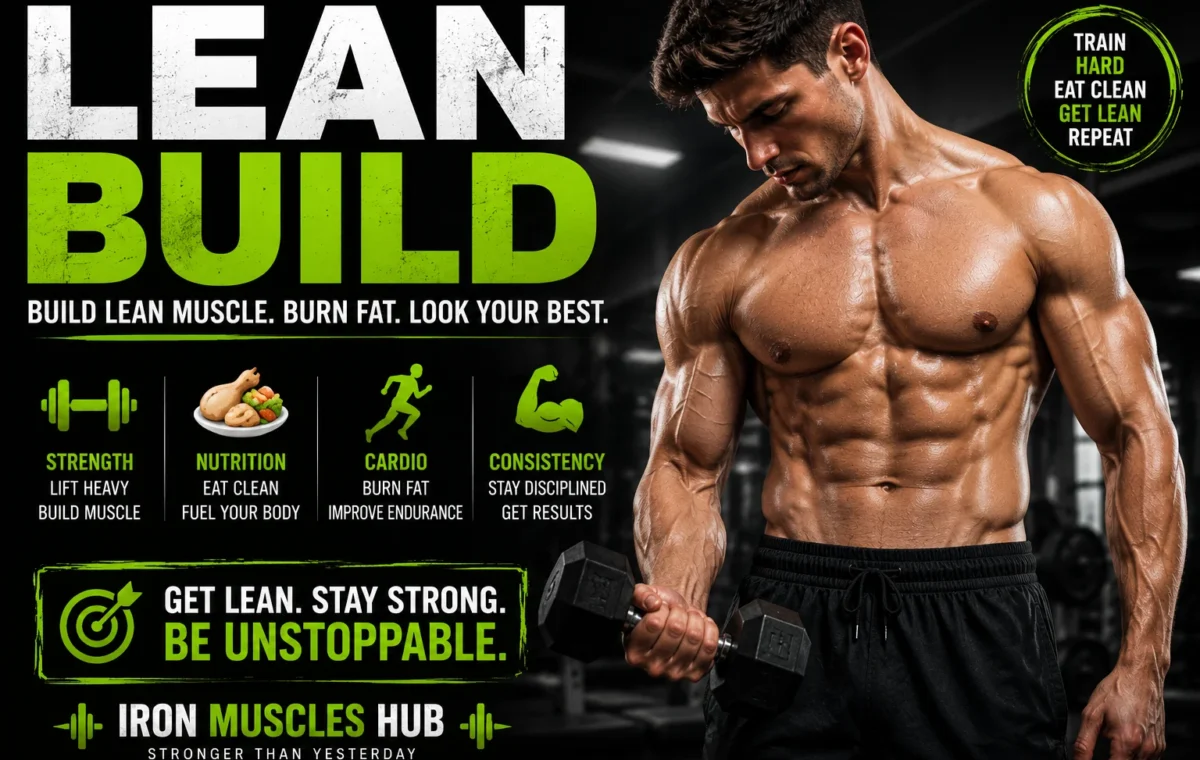
A lean build means having a healthy amount of muscle with relatively low body fat, creating an athletic and defined appearance rather than simply looking bulky. The fastest way to achieve a lean build is by combining strength training, proper nutrition, quality sleep, and consistency over time.
- Lean Build at a Glance
- 1. Focus on Strength Training
- 2. Practice Progressive Overload
- 3. Eat Enough Protein
- 4. Don't Skip Healthy Carbohydrates
- 5. Eat Healthy Fats
- 3-Day Full Body Workout
- Monday
- Wednesday
- Friday
- What does a lean build mean?
- Can beginners achieve a lean build?
- Can you build muscle and lose fat at the same time?
- Do I need supplements for a lean build?
- How often should I work out?
Many beginners believe they must choose between getting bigger or getting lean. In reality, you can build muscle while gradually reducing body fat by following the right habits. This guide explains exactly how to develop a lean build without relying on extreme diets or spending hours in the gym every day. For more insights read here :- how do you build muscle mass fast and how to grow muscle
Lean Build at a Glance
| Goal | Best Approach |
|---|---|
| Build Muscle | Progressive strength training |
| Lose Fat | Small calorie deficit or maintenance |
| Protein | Eat protein at every meal |
| Cardio | 2–3 sessions weekly |
| Recovery | Sleep 7–9 hours nightly |
| Consistency | Follow the plan for several months |
What Is a Lean Build?
A lean build describes a physique with visible muscle definition and a relatively low level of body fat. Instead of focusing only on body weight, a lean build emphasizes improving your body composition by increasing muscle while limiting unnecessary fat gain.
People with a lean build often have:
- Defined shoulders
- Visible arm muscles
- Strong legs
- A firm core
- Athletic posture
- Balanced muscle development
The goal isn’t to become extremely thin. Instead, it’s about developing a healthy amount of muscle while maintaining a body fat level that allows your muscles to be visible.
Why Many People Want a Lean Build
A lean build offers more than just appearance. Building muscle improves overall health and everyday performance.
Benefits include:
- Increased strength
- Better posture
- Higher confidence
- Improved athletic performance
- Better balance and coordination
- Stronger bones
- Improved metabolism
Many people also find daily activities easier because stronger muscles support better movement and endurance.
How to Get a Lean Build
Building a lean build requires consistency rather than perfection. These five habits create the biggest results.
1. Focus on Strength Training
Resistance training is the foundation of every lean build.
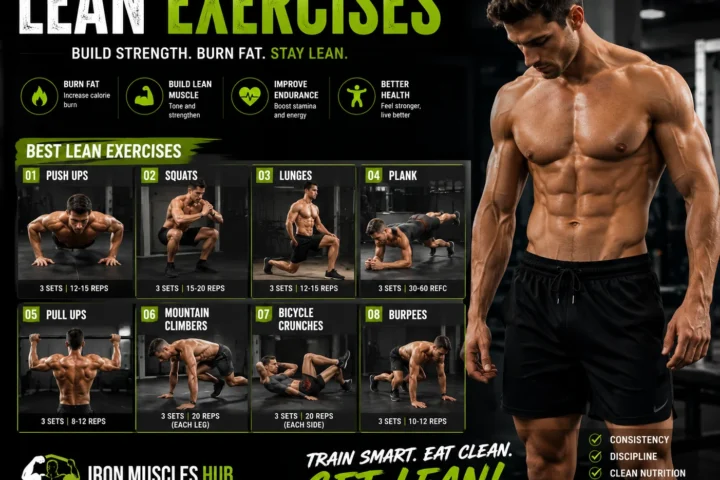
Aim to train three to five days each week using compound exercises that work several muscles together.
Examples include:
- Squats
- Deadlifts
- Bench Press
- Pull-ups
- Rows
- Overhead Press
- Lunges
These exercises stimulate more muscle growth than isolation exercises alone.
A simple full-body routine performed consistently often produces better results than constantly changing workouts.
2. Practice Progressive Overload
Your body adapts quickly.
If your workouts never become more challenging, muscle growth slows.
Progressive overload means gradually increasing:
- Weight lifted
- Repetitions
- Number of sets
- Exercise difficulty
- Training quality
Example:
Week 1
Bench Press
3 × 8 at 90 pounds
Week 4
Bench Press
3 × 10 at 90 pounds
Week 6
Bench Press
3 × 8 at 100 pounds
Small improvements every week create impressive long-term gains.
3. Eat Enough Protein
Training breaks muscle tissue down.
Protein helps rebuild it stronger.
Good protein sources include:
- Chicken breast
- Turkey
- Lean beef
- Eggs
- Fish
- Greek yogurt
- Cottage cheese
- Tofu
- Lentils
- Beans
- Whey protein
Try to include protein with each meal instead of eating it all at once.
4. Don’t Skip Healthy Carbohydrates
Many beginners avoid carbohydrates because they think carbs automatically cause fat gain.
That’s not true.
Carbohydrates provide energy for intense workouts and help your muscles recover.
Healthy choices include:
- Rice
- Oats
- Sweet potatoes
- Whole-grain bread
- Fruit
- Vegetables
- Quinoa
Carbs fuel your training, allowing you to lift heavier and recover faster.
5. Eat Healthy Fats
Healthy fats support hormone production and overall health.
Include foods such as:
- Avocados
- Almonds
- Walnuts
- Olive oil
- Peanut butter
- Salmon
- Chia seeds
A balanced diet works much better than removing entire food groups.
A Sample Day of Eating for a Lean Build
| Meal | Example |
|---|---|
| Breakfast | Oatmeal, eggs, berries |
| Snack | Greek yogurt and almonds |
| Lunch | Chicken, rice, vegetables |
| Snack | Banana with peanut butter |
| Dinner | Salmon, sweet potato, broccoli |
| Evening Snack | Cottage cheese |
This type of meal plan provides protein, carbohydrates, healthy fats, vitamins, and minerals without relying heavily on processed foods.
Common Mistakes That Prevent a Lean Build
Many beginners slow their progress by making avoidable mistakes.
Avoid these habits:
❌ Skipping strength training
❌ Eating too little
❌ Doing excessive cardio
❌ Sleeping only a few hours
❌ Changing workout plans every week
❌ Ignoring leg workouts
❌ Depending on supplements instead of food
Building a lean build requires patience. Consistency always beats chasing quick fixes.
If you’re a beginner, you don’t need to spend two hours in the gym every day. A simple, structured workout routine performed consistently will produce far better results than constantly switching programs.
3-Day Full Body Workout
Monday
- Barbell Squat – 3 sets × 8–10 reps
- Bench Press – 3 sets × 8–10 reps
- Bent-Over Row – 3 sets × 10 reps
- Plank – 3 × 45 seconds
Wednesday
- Deadlift – 3 sets × 6–8 reps
- Overhead Press – 3 sets × 8–10 reps
- Lat Pulldown – 3 sets × 10 reps
- Walking Lunges – 3 sets × 12 reps
Friday
- Leg Press – 3 sets × 10 reps
- Incline Dumbbell Press – 3 sets × 10 reps
- Seated Cable Row – 3 sets × 10 reps
- Shoulder Lateral Raises – 3 sets × 12 reps
- Bicep Curls – 3 sets × 12 reps
- Triceps Pushdowns – 3 sets × 12 reps
As you become stronger, gradually increase the weight or the number of repetitions. This steady progression is one of the most effective ways to build a lean build over time.
Should You Do Cardio?
Absolutely.
Many people worry that cardio will “burn muscle,” but moderate cardio can actually support your goal of achieving a lean build.
Good cardio options include:
- Brisk walking
- Cycling
- Swimming
- Rowing
- Light jogging
- Elliptical training
Aim for 20–30 minutes, two to three times each week. Cardio improves heart health, burns extra calories, and can help reduce body fat while preserving muscle when paired with strength training and adequate nutrition.
Recovery Is Just as Important as Training
Muscles don’t grow while you’re lifting weights—they grow while you’re recovering.
Prioritize:
- 7–9 hours of quality sleep each night
- One or two rest days each week
- Staying hydrated
- Stretching after workouts
- Managing stress
Poor recovery can slow muscle growth, reduce workout performance, and increase the risk of injury.
Supplements for a Lean Build
Supplements are optional. Most of your progress will come from consistent training and a balanced diet.
Here are a few commonly used supplements:
| Supplement | Why People Use It |
|---|---|
| Whey Protein | Convenient way to increase protein intake |
| Creatine Monohydrate | Supports strength and workout performance |
| Fish Oil | Supports overall health |
| Vitamin D | Helpful for people with low vitamin D levels |
Remember, supplements are meant to support a healthy lifestyle—not replace it.
How Long Does It Take to Get a Lean Build?
Everyone progresses at a different pace depending on age, genetics, training experience, nutrition, and consistency.
Here’s a realistic timeline:
| Time | What You May Notice |
|---|---|
| 2–4 Weeks | Better energy and increased strength |
| 6–8 Weeks | Improved muscle definition |
| 3 Months | Noticeable changes in body composition |
| 6 Months | Significant improvements in muscle size and overall physique |
| 12 Months | A strong, athletic, and sustainable lean build |
The key is staying consistent rather than looking for overnight results.
Lean Build vs Bulking
Many beginners wonder whether they should focus on getting lean or doing a traditional bulk.
| Lean Build | Traditional Bulk |
|---|---|
| Slow, steady muscle gain | Faster weight gain |
| Less body fat gained | More body fat gained |
| Defined appearance | Larger overall size |
| Easier to maintain | Often followed by a cutting phase |
| Ideal for beginners | Better suited to experienced lifters |
For most beginners, focusing on a lean build is a practical and sustainable approach.
Tips to Build a Lean Physique Faster
Follow these habits consistently:
- Lift weights at least three times per week.
- Focus on compound exercises.
- Eat protein with every meal.
- Choose mostly whole, nutrient-rich foods.
- Drink plenty of water.
- Sleep 7–9 hours each night.
- Track your workouts.
- Increase weights gradually.
- Stay patient and avoid comparing yourself to others.
Small improvements made consistently lead to lasting results.
Frequently Asked Questions
What does a lean build mean?
A lean build refers to having a healthy amount of muscle with relatively low body fat. It emphasizes strength, muscle definition, and overall fitness rather than simply being thin.
Can beginners achieve a lean build?
Yes. Beginners often make faster progress because their bodies respond well to consistent strength training and proper nutrition. Staying consistent is more important than following a complicated program.
Can you build muscle and lose fat at the same time?
Many beginners can improve muscle mass while reducing body fat through strength training, a balanced diet, and adequate protein. This process is often called body recomposition.
Do I need supplements for a lean build?
No. Supplements can be convenient, but they aren’t essential. Most people can make excellent progress by focusing on nutritious foods, effective workouts, quality sleep, and consistency.
How often should I work out?
For most beginners, three to five strength-training sessions per week are enough to build muscle and improve body composition. Rest days are equally important for recovery and long-term progress.
Final Thoughts
Building a lean build isn’t about following extreme diets or spending endless hours in the gym. It’s about creating habits you can maintain for the long term. Strength training, balanced nutrition, quality sleep, and patience are the foundation of lasting results.
Remember that progress isn’t always visible from week to week. Focus on getting stronger, eating well, and staying consistent. Over time, those small daily improvements add up to a healthier, stronger, and more athletic physique. The goal isn’t perfection—it’s building a body that’s fit, capable, and sustainable for years to come.