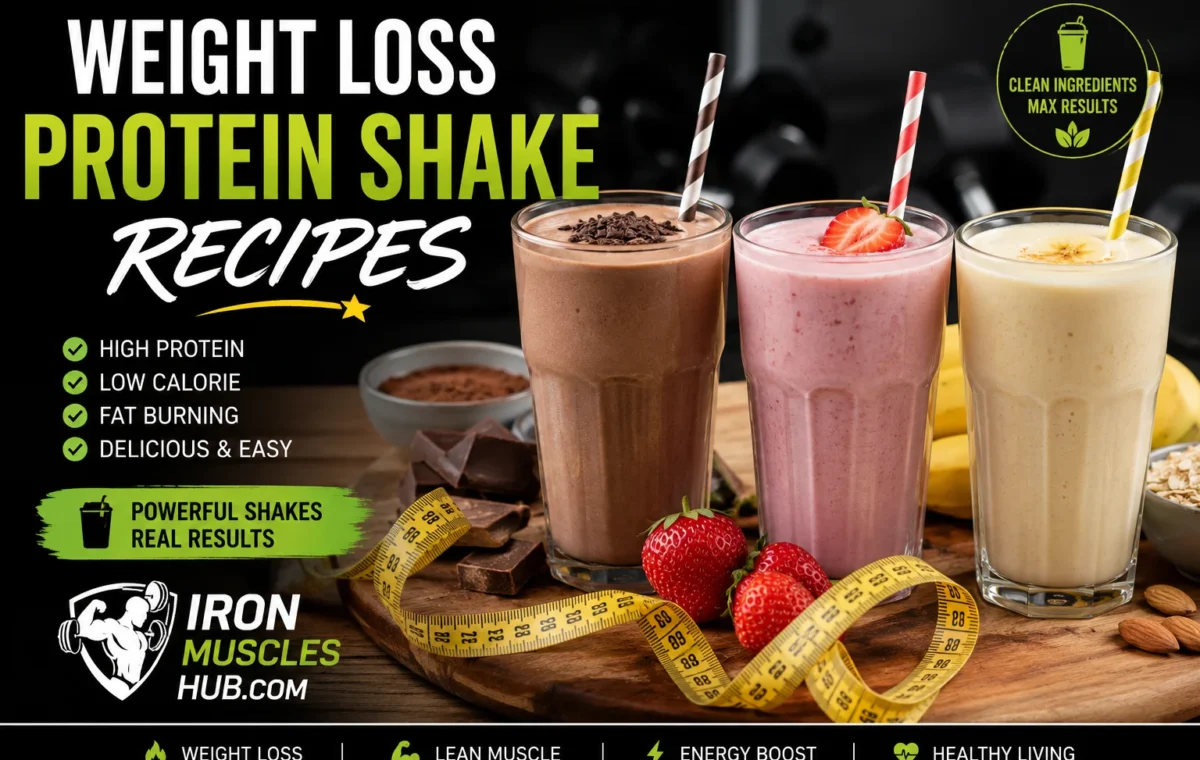
If you’re looking for weight loss protein shake recipes, focus on shakes that give you useful protein and filling ingredients without quietly adding hundreds of calories from nut butter, sugary drinks, large portions or multiple scoops of powder. Protein can help with fullness, while a shake can be a convenient way to control portions. But the shake itself doesn’t cause fat loss; your overall calorie intake and eating pattern still matter.
- Quick Answer
- Are Protein Shakes Good for Weight Loss?
- Why Protein May Help
- 1. Strawberry Greek Yogurt Protein Shake
- Ingredients
- Method
- Why it works
- 2. Chocolate Banana Protein Shake
- Ingredients
- Method
- How to keep it weight-loss friendly
- 3. Berry Spinach Protein Shake
- Ingredients
- Method
- Why use spinach?
- 4. Blueberry Oat Protein Shake
- Ingredients
- Method
- When to choose it
- 5. Chocolate Peanut Butter Protein Shake
- Ingredients
- Method
- The beginner mistake
- 6. Green Apple Protein Shake
- Ingredients
- Method
- Coach's tip
- 7. Peach Vanilla Protein Shake
- Ingredients
- Method
- Why this recipe is useful
- 8. Mocha Protein Shake
- Ingredients
- Method
- Important note
- 9. Tropical Protein Shake
- Ingredients
- Method
- Portion reminder
- 10. Cinnamon Apple Pie Protein Shake
- Ingredients
- Method
- Coach's tip
- Worked Example: 82 kg / 181 lb
- Mistake 1: Adding a Shake Instead of Replacing Something
- Mistake 2: Making Every Shake Extremely Low-Calorie
- Mistake 3: Using Too Much Nut Butter
- Mistake 4: Using Juice as the Main Liquid
- Mistake 5: Adding Multiple Scoops of Protein Automatically
- Mistake 6: Turning the Shake Into a Dessert
- Mistake 7: Replacing Most Meals With Shakes
- 1. Protein
- 2. Fruit or Vegetables
- 3. Liquid
- 4. Optional Add-On
- Question 1: What is this replacing?
- Question 2: Where is the protein coming from?
- Question 3: What are the calorie-dense ingredients?
- 1. What is the best protein shake for weight loss?
- 2. Can I drink protein shakes every day to lose weight?
- 3. What should I put in a protein shake to lose weight?
- 4. Can I drink a protein shake instead of breakfast?
- 5. Do protein shakes burn belly fat?
The recipes below are designed for beginners. You can make them with a standard blender, adjust the ingredients to your dietary needs, and use them as a breakfast, snack or occasional meal replacement depending on the recipe. For more insights read here :- how to put muscle mass on fast and lean build.
Quick Answer
- Choose protein first: Build your shake around a meaningful protein source such as Greek yogurt, milk, soy milk, tofu or protein powder.
- Add volume: Frozen berries, spinach, ice and other whole-food ingredients can make a shake larger without relying on sugary syrups.
- Watch calorie-dense extras: Peanut butter, nuts, oats, coconut and large amounts of fruit can quickly turn a small shake into a large meal.
- Remember the bigger picture: Protein shakes may support weight management, but they don’t guarantee weight loss. They work best when they fit your overall calorie-controlled eating plan.
Are Protein Shakes Good for Weight Loss?
Yes, a protein shake can be useful for weight loss when it helps you manage total food intake and fits into a balanced diet. It isn’t a special fat-burning drink. Protein may increase fullness, and higher-protein diets can modestly improve weight management in some adults.
That’s an important distinction.
If you normally eat a high-calorie breakfast and replace it with a carefully portioned shake, your daily calorie intake may decrease. That’s one way a shake can help.
But if you drink a 700-calorie smoothie on top of your normal breakfast, you’ve probably made weight loss harder rather than easier.
Mayo Clinic makes the same basic point: protein shakes aren’t a magic weight-loss solution, and relying too heavily on shakes can also mean missing the nutritional variety of whole foods.
Why Protein May Help
A systematic review of adults with overweight or obesity found that higher dietary protein intake may increase feelings of fullness, although the researchers rated the evidence as limited because of differences between studies and potential bias.
Protein is also relevant during fat loss because losing weight can involve some loss of lean tissue.
A 2024 systematic review and meta-analysis found that adults with overweight or obesity aiming for weight loss could retain more muscle mass with higher protein intake; the analysis found that intake above 1.3 g/kg/day was associated with better muscle retention, while intake below 1.0 g/kg/day was associated with greater risk of muscle-mass decline.
That doesn’t mean everyone needs exactly 1.3 g/kg.
Your needs depend on body size, activity, age, diet and health status.
10 Weight Loss Protein Shake Recipes
The recipes below use a simple formula:
Protein source + fruit/vegetable + liquid + optional fiber or flavor + ice
The goal isn’t to make every shake as low-calorie as possible. A shake that’s too small may leave you hungry shortly afterward.
Instead, build a shake that matches the job you want it to do.
1. Strawberry Greek Yogurt Protein Shake
This is a good starting recipe if you’re new to making shakes.
Ingredients
- 150 g frozen strawberries — about 5.3 oz
- 170 g plain Greek yogurt — about 6 oz
- 240 ml unsweetened milk or soy milk — about 8 fl oz
- 1 scoop protein powder, if needed
- Ice
- Optional: vanilla extract or cinnamon
Method
Add everything to a blender and blend for about 30–60 seconds.
Add a little more liquid if the mixture is too thick.
Why it works
Strawberries provide fruit volume and flavor without needing syrup or added sugar. Greek yogurt contributes protein and creates a thick texture.
If your yogurt and protein powder already provide plenty of protein for the meal, you may not need a full scoop of powder.
Coach’s tip: Don’t automatically add every ingredient. Start simple, taste the shake, then decide what it actually needs.
2. Chocolate Banana Protein Shake
This is the recipe for people who want something that tastes more like a chocolate dessert.
Ingredients
- 1 small banana
- 1 scoop chocolate protein powder
- 240 ml unsweetened milk or soy milk — about 8 fl oz
- 1 tablespoon unsweetened cocoa powder
- Ice
- Optional: cinnamon
Method
Blend until smooth.
For a thicker shake, use a frozen banana and less ice.
How to keep it weight-loss friendly
The banana isn’t the problem.
The problem usually comes from adding several calorie-dense extras at the same time.
You don’t need:
- banana
- peanut butter
- honey
- chocolate syrup
- full-fat milk
- oats
- coconut
- whipped cream
all in one glass.
Pick the ingredients that actually improve the shake.
3. Berry Spinach Protein Shake
If you struggle to eat vegetables, this is an easy place to add a handful of leafy greens.
Ingredients
- 150 g frozen mixed berries — about 5.3 oz
- 1 generous handful of spinach
- 1 scoop vanilla protein powder
- 240 ml unsweetened soy milk or milk — about 8 fl oz
- Ice
- Optional: 1 tablespoon ground flaxseed
Method
Blend the liquid and spinach first.
Then add the berries, protein powder and ice.
Blend until smooth.
Why use spinach?
You don’t need to turn your shake into a giant vegetable drink.
A small handful is enough to add greens without dominating the flavor.
Using whole fruit rather than fruit juice also keeps the shake closer to a whole-food format. Whole fruits and vegetables are a common feature of higher-quality smoothie recipes, while juice can make it easier to consume concentrated calories without the same food volume.
4. Blueberry Oat Protein Shake
This version works well when you want a more substantial breakfast.
Ingredients
- 100–150 g frozen blueberries — about 3.5–5.3 oz
- 30 g rolled oats — about 1.1 oz
- 170 g plain Greek yogurt — about 6 oz
- 240 ml unsweetened milk — about 8 fl oz
- Cinnamon
- Ice
- Optional: ½ scoop protein powder
Method
Blend everything until creamy.
Give the blender another 20–30 seconds if the oats aren’t fully incorporated.
When to choose it
Use this type of shake when you need more staying power than a simple fruit-and-protein drink.
The oats add carbohydrate and make the drink more substantial.
The trade-off is that oats also add calories.
That’s not automatically bad.
The right recipe depends on what the shake is replacing.
A larger breakfast shake can make sense if it’s replacing breakfast. It may be unnecessary if you’re drinking it alongside a full breakfast.
5. Chocolate Peanut Butter Protein Shake
Peanut butter can make an excellent shake ingredient, but portion control matters.
Ingredients
- 1 scoop chocolate protein powder
- 240 ml unsweetened milk or soy milk — about 8 fl oz
- 1 tablespoon peanut butter
- 1 tablespoon unsweetened cocoa powder
- Ice
- Optional: ½ small banana
Method
Blend until smooth.
The beginner mistake
A common mistake is pouring peanut butter directly from the jar.
One spoonful becomes two.
Then someone adds a banana, oats and honey.
Suddenly the “weight-loss shake” is much more energy-dense than intended.
Measure the peanut butter.
You can still enjoy it.
You just need to know how much you’re using.
6. Green Apple Protein Shake
This is a fresh option if you’re tired of banana-based shakes.
Ingredients
- 1 small apple, cored
- 1 handful spinach
- 1 scoop vanilla protein powder
- 240 ml unsweetened soy milk — about 8 fl oz
- Ice
- Cinnamon
- Optional: a squeeze of lemon
Method
Cut the apple into smaller pieces.
Add everything to the blender and blend until smooth.
Coach’s tip
Keep the apple skin on if you enjoy the texture.
If your blender struggles with whole apple pieces, chop them smaller before blending.
7. Peach Vanilla Protein Shake
Frozen peaches work particularly well because they create a thick texture without requiring lots of ice.
Ingredients
- 150 g frozen peaches — about 5.3 oz
- 170 g plain Greek yogurt — about 6 oz
- 240 ml unsweetened milk — about 8 fl oz
- 1 scoop vanilla protein powder
- Ice, if needed
- Cinnamon or vanilla extract
Method
Blend until creamy.
Add liquid gradually rather than pouring in a large amount immediately.
Why this recipe is useful
The combination of fruit, dairy and protein gives you a more complete shake than protein powder mixed with water alone.
It’s also easy to adjust.
Need fewer calories?
Reduce the yogurt or choose a lower-calorie milk.
Need more food because it’s replacing breakfast?
Add a measured serving of oats.
8. Mocha Protein Shake
You don’t need a sugary coffee-shop drink to get a coffee-flavored shake.
Ingredients
- 1 scoop chocolate or vanilla protein powder
- 240 ml unsweetened milk — about 8 fl oz
- ½–1 teaspoon instant coffee
- 1 tablespoon unsweetened cocoa powder
- Ice
- Optional: cinnamon
Method
Dissolve the instant coffee in a small amount of liquid first.
Add the remaining ingredients and blend.
Important note
Coffee can contain caffeine.
If caffeine affects your sleep, avoid drinking this recipe close to bedtime.
Good sleep also matters for your overall health and training routine, so don’t sacrifice sleep just to make your shake taste like coffee.
9. Tropical Protein Shake
This recipe is useful when you want something bright and fruity.
Ingredients
- 100 g frozen pineapple — about 3.5 oz
- 100 g frozen mango — about 3.5 oz
- 1 scoop vanilla protein powder
- 240 ml unsweetened soy milk — about 8 fl oz
- Ice
- Optional: small handful of spinach
Method
Blend until smooth.
If the fruit is very sweet, you don’t need honey, syrup or another sweetener.
Portion reminder
Tropical fruit is nutritious, but adding several large servings of fruit can push the total energy content upward.
That’s why portion size matters even when every ingredient is considered “healthy.”
10. Cinnamon Apple Pie Protein Shake
This is a good dessert-style option without needing a dessert-sized ingredient list.
Ingredients
- 1 small apple
- 1 scoop vanilla protein powder
- 170 g plain Greek yogurt — about 6 oz
- 240 ml unsweetened milk — about 8 fl oz
- Cinnamon
- Ice
- Optional: 10–15 g oats — about ⅓–½ oz
Method
Core and chop the apple.
Blend everything until smooth.
Add oats only if you want the shake to be more substantial.
Coach’s tip
Let cinnamon do some of the flavor work.
You don’t need to add sugar simply because you’re making a sweet-tasting shake.
Weight Loss Protein Shake Formula
Instead of memorizing 10 recipes, learn this formula.
| Component | Beginner portion | Purpose |
|---|---|---|
| Protein source | 1 scoop powder or 150–200 g yogurt/tofu | Protein |
| Fruit | 100–150 g / 3.5–5.3 oz | Flavor + food volume |
| Milk/soy milk | 200–250 ml / 7–8.5 fl oz | Liquid + texture |
| Greens | 1 handful | Extra vegetables |
| Oats | 20–30 g / 0.7–1.1 oz | More substantial meal |
| Nut butter | 1 tbsp / ~16 g | Flavor + fat |
| Ice | 1–2 handfuls | Volume + texture |
You don’t need every row in every shake.
That’s one of the easiest ways to control portions.
For example:
Snack shake: protein + berries + unsweetened liquid + ice.
Breakfast shake: protein + fruit + yogurt + oats + liquid.
Dessert-style shake: protein + cocoa + banana + liquid + ice.
How Much Protein Should You Put in a Weight-Loss Shake?
There isn’t one protein number that works for every person.
The adult protein RDA is 0.8 g/kg/day, according to the National Academies’ Dietary Reference Intake summary hosted by NCBI.
However, people dieting while trying to preserve muscle may benefit from higher protein intake. A 2024 systematic review found that intake above 1.3 g/kg/day was associated with better muscle retention in adults with overweight or obesity pursuing weight loss.
Worked Example: 82 kg / 181 lb
Suppose an adult weighs:
82 kg (about 181 lb).
Using 1.3 g/kg as a research-based reference point:
82 × 1.3 = 106.6 g protein/day
That’s approximately 107 g of protein per day.
Now imagine the person gets about 25 g from a protein shake.
That leaves roughly:
107 − 25 = 82 g
to obtain from the rest of the day’s meals.
This is why you don’t necessarily need a huge 50–60 g protein shake.
The shake is only one part of the daily diet.
Important: this is an example, not a personalized protein prescription. Individual needs can differ, particularly with medical conditions, kidney disease, pregnancy, older age, or specialized sports-training demands.
Protein Powder vs Greek Yogurt vs Soy Milk
You don’t have to use protein powder.
Here’s a practical comparison.
| Protein option | Best use | Main advantage | Watch-out |
|---|---|---|---|
| Protein powder | Fast shake | Convenient | Check serving size and ingredients |
| Greek yogurt | Thick breakfast shake | Food-based protein + creamy texture | Flavored versions may contain added sugar |
| Soy milk | Dairy-free shake | Adds protein and liquid together | Choose unsweetened if reducing added sugar |
| Silken tofu | Plant-based shake | Creamy texture | Flavor may need fruit/cocoa |
| Regular milk | Simple shake | Protein + familiar taste | Calories vary by type |
| Water | Very light shake | Minimal calories | Provides little texture or nutrition |
A useful rule:
Choose the protein source you can use consistently and that fits your diet.
Protein powder is a convenience food, not a requirement.
Mayo Clinic also points out that many people can get protein from whole foods and that shakes aren’t inherently superior to those foods.
Common Mistakes → Why → Fix
Mistake 1: Adding a Shake Instead of Replacing Something
Why: A protein shake still contains calories. Adding it on top of your normal meals can increase total intake.
Fix: Decide what role the shake has before making it.
Is it a snack?
Breakfast?
Post-workout food?
Occasional meal replacement?
Then size the recipe accordingly.
Mistake 2: Making Every Shake Extremely Low-Calorie
Why: A tiny shake may not satisfy you, which can leave you looking for snacks soon afterward.
Fix: Build the shake around adequate protein and choose enough whole-food ingredients to match the meal.
A weight-loss diet doesn’t have to mean making every meal as small as possible.
Mistake 3: Using Too Much Nut Butter
Why: Nuts and nut butters are nutritious but energy-dense.
Fix: Measure your serving.
Start with 1 tablespoon rather than free-pouring it.
Mistake 4: Using Juice as the Main Liquid
Why: Juice can add a lot of carbohydrate and calories without providing the same whole-food structure as intact fruit.
Fix: Use water, unsweetened milk or unsweetened soy milk as the main liquid and blend whole fruit into the shake.
Men’s Health’s smoothie guidance similarly recommends whole fruits and vegetables rather than relying on juice.
Mistake 5: Adding Multiple Scoops of Protein Automatically
Why: More protein isn’t automatically better if you’re already meeting your needs.
It also adds calories.
Fix: Start with one serving and consider your total daily protein intake.
Mistake 6: Turning the Shake Into a Dessert
Why: Protein powder can make a shake sound healthy while additions such as syrup, chocolate spreads, full-fat ingredients and large nut-butter portions dramatically change the recipe.
Fix: Pick one or two flavor boosters.
For example:
Cocoa + cinnamon
or
Peanut butter + banana
rather than adding six extras.
Mistake 7: Replacing Most Meals With Shakes
Why: A protein shake isn’t automatically a nutritionally complete meal.
You may miss the variety of whole foods, including different sources of fiber, vitamins and minerals.
Mayo Clinic specifically cautions that relying too much on meal-replacement shakes can mean missing some of the benefits of whole foods.
Fix: Use shakes as a tool rather than making them the foundation of your entire diet.
What Should You Put in a Weight-Loss Protein Shake?
Think in four categories.
1. Protein
Choose one:
- Protein powder
- Greek yogurt
- Soy milk
- Cottage cheese
- Silken tofu
- Regular milk
2. Fruit or Vegetables
Choose one or two:
- Strawberries
- Blueberries
- Raspberries
- Banana
- Apple
- Mango
- Peaches
- Pineapple
- Spinach
3. Liquid
Choose:
- Water
- Unsweetened milk
- Unsweetened soy milk
4. Optional Add-On
Choose one:
- Oats
- Chia seeds
- Ground flaxseed
- Peanut butter
- Almond butter
- Cocoa powder
You don’t need all of them.
How to Make a Protein Shake More Filling
If your shake leaves you hungry, don’t immediately add another scoop of protein powder.
First ask:
Is this actually a meal or just a small drink?
For a more substantial shake, combine:
- A protein source
- Whole fruit
- Greek yogurt or soy milk
- A measured amount of oats or seeds
- Ice
The protein component matters because higher protein intake may increase fullness, although the evidence isn’t strong enough to claim that protein alone guarantees appetite control.
Fiber-rich ingredients can also make a shake more substantial.
But remember that seeds, oats and nut butters contain calories too.
More filling doesn’t mean calorie-free.
Can Protein Shakes Replace Breakfast?
They can be convenient for breakfast, but the answer depends on what you put in the shake.
A protein powder mixed with water may be too small for someone who needs a full breakfast.
A shake containing protein, fruit, yogurt and oats can be much more substantial.
Research on meal replacements suggests that structured meal-replacement approaches can help some people reduce weight, but the overall dietary strategy matters. For example, a randomized trial of 206 adults with overweight or obesity used a calorie-restricted diet and compared a higher-protein, higher-fiber shake with a lower-protein, lower-fiber shake; both groups lost weight, with greater weight loss in the higher-protein/higher-fiber group.
That doesn’t mean every homemade shake will produce the same result.
It means the context matters.
30-Second Shake Decision Rule
Before drinking your shake, ask three questions:
Question 1: What is this replacing?
If the answer is “nothing,” check whether you actually need the calories.
Question 2: Where is the protein coming from?
If there’s no meaningful protein source, it’s probably a fruit smoothie rather than a protein shake.
Question 3: What are the calorie-dense ingredients?
Look for:
- Nut butter
- Oats
- Full-fat dairy
- Coconut
- Seeds
- Large fruit portions
- Sweeteners
You don’t have to remove them.
Just measure them.
If you can answer those three questions, you’re already making better decisions than someone blindly following a “fat-burning shake” recipe.
Who These Weight Loss Protein Shake Recipes Are NOT For
These recipes aren’t a substitute for medical nutrition therapy.
Talk with a doctor or registered dietitian before making major dietary changes if you:
- Have kidney disease or another condition affecting protein intake
- Are pregnant or breastfeeding
- Have a history of an eating disorder
- Take medication affected by major dietary changes
- Have significant gastrointestinal problems
- Have been advised to follow a medically prescribed diet
You also don’t need protein shakes simply because you want to lose weight.
If you already enjoy balanced meals and get adequate protein from normal foods, there may be no reason to add a shake.
Protein Shakes and Strength Training
If you’re lifting while trying to lose fat, your goal shouldn’t simply be to make the scale smaller.
You also want to maintain as much useful lean tissue as possible.
Higher protein intake can support muscle retention during weight loss, and resistance training is another important part of a muscle-preserving approach. The 2024 meta-analysis found better muscle retention with higher protein intake in adults with overweight or obesity pursuing weight loss.
That doesn’t mean a protein shake needs to be consumed at a magical time.
Instead, look at your total daily protein and overall diet.
A shake can simply make hitting your intake easier.
A Simple Beginner Shake Schedule
You don’t need to drink protein shakes several times a day.
A simple approach could look like this:
| Situation | Shake style |
|---|---|
| Quick snack | Protein + berries + unsweetened liquid |
| Breakfast | Protein + fruit + yogurt + oats |
| After training | Protein + fruit + milk/soy milk |
| Sweet craving | Protein + cocoa + banana + ice |
| Busy day | Balanced shake used as an occasional meal replacement |
The important point is that the shake should have a purpose.
Don’t drink one because fitness influencers say everyone needs one.
The Best Recipe Isn’t Always the Lowest-Calorie Recipe
This is one of the biggest points beginners miss.
Suppose Shake A is very small and contains mostly protein powder and water.
You drink it at 8 a.m.
By 10 a.m., you’re hungry.
You eat a pastry.
Then you have a large lunch.
Now compare that with Shake B:
- Protein
- Greek yogurt
- Berries
- A measured serving of oats
Shake B contains more food, but it may be easier to fit into your day because it can function as an actual breakfast.
Weight loss isn’t a competition to create the smallest possible shake.
The better recipe is the one that helps you build an eating pattern you can maintain.
Evidence Check: What the Research Actually Says
Protein is useful, but the internet often exaggerates what it can do.
A systematic review and meta-analysis covering randomized trials found that higher-protein dietary interventions produced a modest average improvement in body weight compared with controls, rather than a dramatic transformation.
Another long-term systematic review found that the advantages of high-protein diets weren’t consistently maintained across all long-term trials.
That’s why you shouldn’t think:
“Protein shake = fat loss.”
Think:
“Protein shake = convenient food that may help me manage protein intake and meal structure.”
That is a much more useful way to approach it.
Frequently Asked Questions
1. What is the best protein shake for weight loss?
There isn’t one best shake for everyone. A useful weight-loss shake generally contains a meaningful protein source, whole-food ingredients and a portion size that fits your daily calorie needs. Greek yogurt, berries, unsweetened milk or soy milk and protein powder are simple starting points. Protein may improve fullness, but the shake still needs to fit your overall eating pattern.
2. Can I drink protein shakes every day to lose weight?
You can include a protein shake regularly if it fits your diet, but drinking shakes every day doesn’t automatically cause weight loss. The calories still count. Also, relying heavily on shakes can reduce the variety of whole foods in your diet. Use them for convenience rather than treating them as a special fat-loss product.
3. What should I put in a protein shake to lose weight?
Start with a protein source such as protein powder, Greek yogurt, milk, soy milk or tofu. Add whole fruit or vegetables, then use water or an unsweetened milk as the liquid. If you need a more substantial meal, add a measured serving of oats or seeds. Keep calorie-dense additions such as nut butter and large quantities of oats under control.
4. Can I drink a protein shake instead of breakfast?
Yes, a properly constructed shake can serve as a convenient breakfast for some people. It should contain more than just protein powder and water if you need a substantial meal. Adding ingredients such as Greek yogurt, fruit and a measured amount of oats can make it more filling. Mayo Clinic cautions against relying too heavily on shakes at the expense of whole foods.
5. Do protein shakes burn belly fat?
No protein shake specifically burns belly fat. Protein can support a higher-protein diet, and higher protein intake may help with fullness and lean-mass retention during weight loss. But fat loss occurs as part of an overall energy-controlled eating pattern, and you can’t choose a shake that selectively removes abdominal fat.
Final Takeaway
The best weight loss protein shake recipes aren’t complicated. Start with a protein source, add whole fruit or vegetables, choose a sensible liquid and measure calorie-dense extras. That’s enough to build dozens of different combinations without relying on sugary syrups or oversized portions.
If you’re trying to lose fat while keeping muscle, pay attention to your total daily protein, overall calorie intake and resistance training rather than obsessing over one perfect shake. Research suggests higher protein can help with fullness and muscle retention, but shakes aren’t magic and aren’t required for everyone.
Pick two or three recipes you actually enjoy. Make them consistently. Then judge them by how well they fit your entire diet—not by how “healthy” the blender ingredients sound.