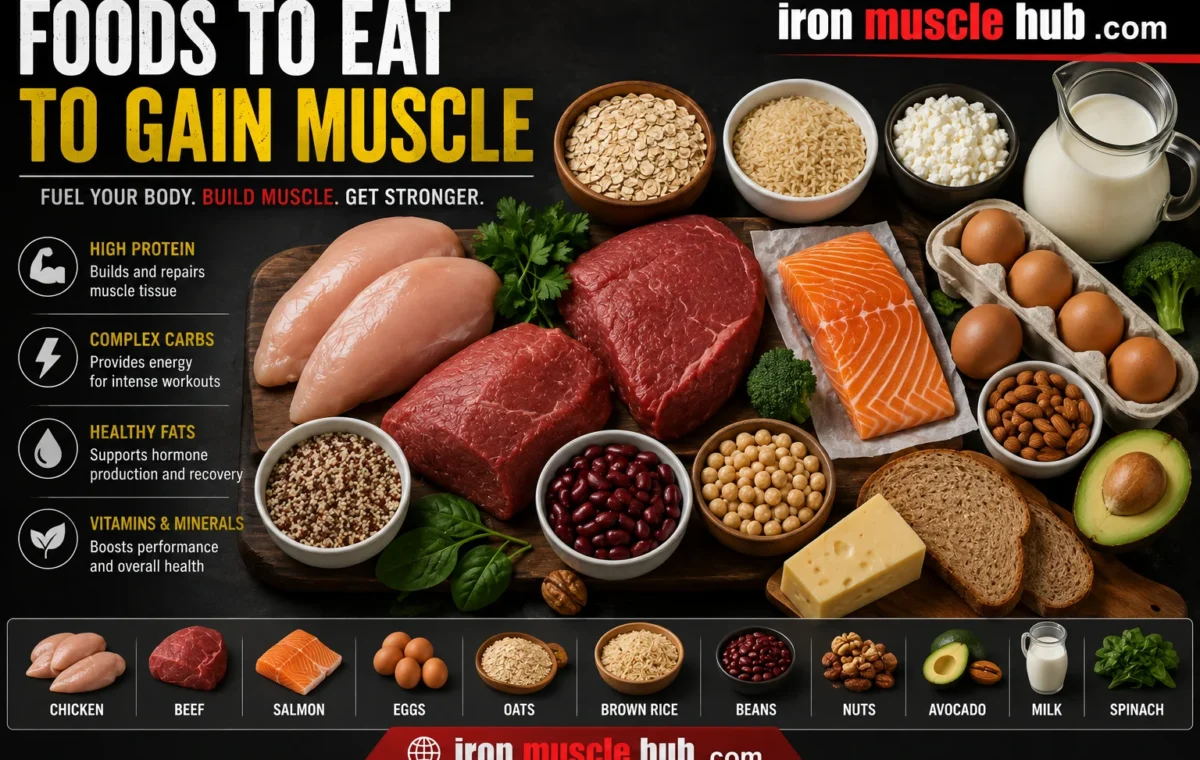
The best foods to eat to gain muscle are protein-rich foods such as eggs, chicken, fish, Greek yogurt, milk, cottage cheese, beans, lentils, tofu and lean meat, combined with carbohydrate-rich foods such as oats, rice, potatoes, wholegrain bread and fruit. Healthy fats from nuts, seeds, olive oil and avocado can also help you build balanced, satisfying meals.
- Quick Guide: What Should You Eat to Build Muscle?
- The Best Foods to Eat to Gain Muscle
- 1. Eggs
- 2. Chicken and Turkey
- 3. Fish
- 4. Greek Yogurt
- 5. Milk
- 6. Cottage Cheese
- 7. Lean Beef
- 8. Beans, Lentils and Chickpeas
- 9. Tofu and Soy Foods
- 10. Oats
- 11. Rice and Potatoes
- 12. Nuts, Seeds and Nut Butter
- 13. Fruit
- 14. Vegetables
- How Much Protein Do You Need to Build Muscle?
- A Simple Way to Spread Protein Across the Day
- Do You Need More Calories to Gain Muscle?
- A Simple Muscle-Gain Meal Formula
- Example
- What to Eat Before and After a Workout
- Before Training
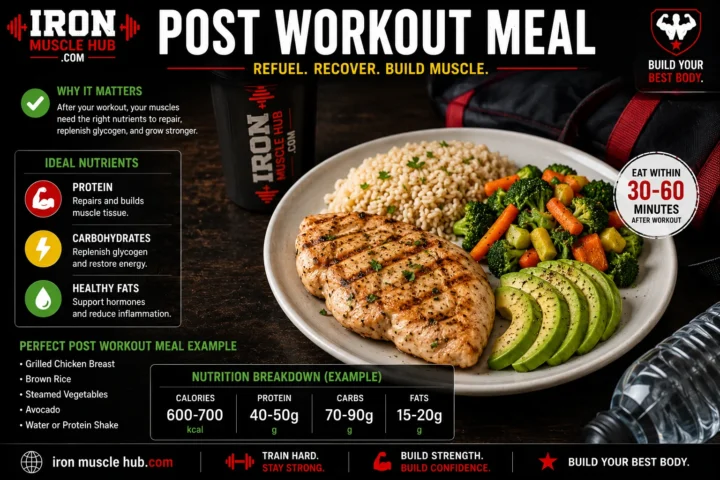
- After Training
- Foods to Limit If Your Goal Is Muscle Gain
- The Biggest Muscle-Gain Mistakes Beginners Make
- Mistake 1: Focusing Only on Protein
- Mistake 2: Buying Expensive Foods
- Mistake 3: Eating the Same Food Every Day
- Mistake 4: Eating Huge Portions Because You Want to Bulk
- Mistake 5: Ignoring Training
- A Budget-Friendly Muscle-Gain Grocery List
- How to Build Your Own Muscle-Gain Diet
- A Simple One-Day Muscle-Gain Meal Example
- How to Make a Muscle-Gain Breakfast
- Option 1: Eggs and Toast
- Option 2: Protein Oatmeal
- Option 3: Yogurt Bowl
- Easy High-Protein Lunch Ideas
- Chicken Rice Bowl
- Tuna Potato Bowl
- Lentil Rice Bowl
- High-Protein Snack Ideas
- Cheap Foods to Eat to Gain Muscle
- Budget-friendly staples
- The budget rule that helps
- How to Eat More If You Struggle to Gain Weight
- What If You Have a Small Appetite?
- Foods to Eat Before Strength Training
- Foods to Eat After Strength Training
- What About Protein Shakes?
- A Simple Formula for Adjusting Your Meals
- If you're hungry and not gaining weight
- If you're gaining weight faster than you want
- If you're struggling to reach your protein target
- How to Meal Prep for Muscle Growth
- Step 1: Pick two protein sources
- Step 2: Pick two carbohydrate sources
- Step 3: Add vegetables
- Step 4: Prepare several portions
- Step 5: Change the flavour
- A Simple 7-Day Food Rotation
- The "Protein at Every Meal" Rule
- Don't Forget Recovery
- A Beginner's Muscle-Gain Checklist
- Final Takeaway: Keep Your Muscle-Gain Diet Simple
- Your Muscle-Gain Plate: A Simple Visual Formula
- The 10-Minute Meal Planning Method
- Step 1: Choose three proteins
- Step 2: Choose three carbohydrates
- Step 3: Choose several fruits and vegetables
- Step 4: Combine them differently
- How to Make Muscle-Gain Meals More Affordable
- Buy basic ingredients
- Compare price per unit
- Use frozen produce
- Buy proteins strategically
- Cook larger batches
- Smart Food Swaps for Beginners
- What to Eat If You Follow a Vegetarian Diet
- What to Eat If You Follow a Vegan Diet
- What to Eat If You Don't Like Chicken
- What to Eat If You Don't Like Eggs
- Do You Need to Eat Every Two or Three Hours?
- A Better Way to Think About Protein
- Breakfast
- Lunch
- Snack
- Dinner
- What If You Miss Your Protein Target One Day?
- What If You Eat Junk Food While Trying to Gain Muscle?
- Muscle Gain and Alcohol
- Common Muscle-Gain Nutrition Myths
- Myth 1: You Need Supplements to Build Muscle
- Myth 2: You Must Eat Chicken and Rice Every Day
- Myth 3: Carbohydrates Make You Fat
- Myth 4: More Protein Always Means More Muscle
- Myth 5: You Need a Huge Calorie Surplus
- A Practical "If This, Then That" Guide
- If you're not gaining weight and want to gain
- If you're gaining unwanted body fat quickly
- If you're constantly hungry
- If you're too full to finish meals
- If you're bored with your diet
- The Muscle-Gain Meal Prep Template
- When You Should Get Professional Nutrition Advice
- Final Thoughts: Choose Foods You Can Repeat
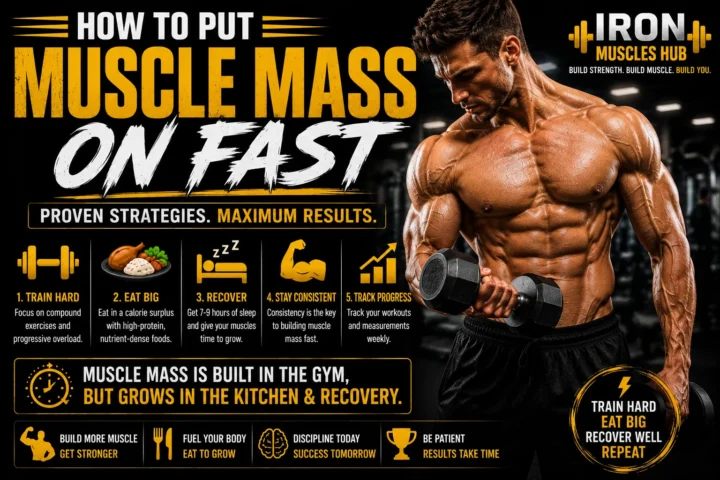
But eating more protein alone won’t build a bigger physique. Muscle growth depends heavily on consistent resistance training, enough overall food, adequate protein and recovery. The good news is that you don’t need an expensive “muscle-building” menu. A simple diet built around ordinary supermarket foods can work very well. For more insights read here :- how to put muscle mass on fast and lean exercises.
Quick answer: Build most meals around a protein source + carbohydrate + fruit or vegetables + a source of healthy fat when appropriate. Then train consistently and give your body enough food and recovery time.
Quick Guide: What Should You Eat to Build Muscle?
| Food group | Good choices | Why it helps |
|---|---|---|
| Protein | Eggs, chicken, fish, Greek yogurt, milk, beans, lentils, tofu | Provides amino acids needed to build and repair body tissues |
| Carbohydrates | Oats, rice, potatoes, pasta, wholegrain bread, fruit | Provides energy for training and daily activity |
| Healthy fats | Nuts, seeds, peanut butter, avocado, olive oil | Adds energy and important nutrients |
| Dairy or alternatives | Milk, Greek yogurt, cottage cheese, fortified soy foods | Convenient sources of protein and other nutrients |
| Vegetables & fruit | Berries, bananas, oranges, spinach, peppers, broccoli | Adds fibre, vitamins, minerals and variety |
Protein is important for growth and tissue repair, while a balanced diet also needs carbohydrates, fats, fruit, vegetables and other nutrient-rich foods. Current UK guidance recommends getting protein from a variety of foods, including beans, pulses, fish, eggs, meat and dairy or suitable alternatives.
The Best Foods to Eat to Gain Muscle
You don’t need every food on this list. Pick the options you enjoy, can afford and can eat consistently.
1. Eggs
Eggs are an easy addition to breakfast, lunch or dinner. They provide protein and can be combined with foods such as wholegrain toast, potatoes, rice or vegetables.
Try scrambled eggs with toast and fruit, or boiled eggs alongside a rice-and-vegetable meal.
2. Chicken and Turkey
Skinless chicken and turkey are practical protein choices because they’re versatile and can be added to sandwiches, wraps, salads, rice dishes and pasta.
For a budget-friendly meal, combine chicken with rice and frozen vegetables rather than buying a specialized “fitness” meal.
3. Fish
Fish provides protein and can add variety to your diet. Salmon, tuna, cod, sardines and other fish can fit into a muscle-building eating pattern.
Oily fish such as salmon and sardines also provide omega-3 fats. UK NHS guidance recommends including fish as part of a balanced diet and advises choosing oily fish regularly.
4. Greek Yogurt
Greek yogurt can be an especially convenient snack because it requires little preparation.
Add oats, berries, banana or nuts to make it more substantial. Check the label because protein and sugar content can vary considerably between brands.
5. Milk
Milk provides protein along with other nutrients. It can be used with oats, cereal, smoothies or meals.
If you’re trying to increase your overall food intake, a milk-based smoothie can be easier to consume than another large plate of food.
6. Cottage Cheese
Cottage cheese is another convenient dairy option. Eat it with fruit, wholegrain toast or potatoes, or use it as part of a savoury meal.
If you don’t enjoy the taste, there’s no requirement to eat it. Plenty of other protein foods can do the same basic job.
7. Lean Beef
Lean beef provides protein as well as nutrients such as iron and vitamin B12. However, a muscle-building diet doesn’t need large amounts of red meat.
The NHS advises limiting red and processed meat rather than relying on it as your main protein source.
8. Beans, Lentils and Chickpeas
Plant foods can absolutely have a place in a muscle-building diet.
Beans, lentils and chickpeas provide protein and fibre and can be inexpensive compared with many animal protein sources. Current U.S. dietary guidance work also places strong emphasis on beans, peas and lentils within protein-food choices.
Try lentil curry with rice, chickpeas in a wrap or beans with potatoes and vegetables.
9. Tofu and Soy Foods
Tofu, tempeh, edamame and other soy foods give vegetarians and vegans useful protein options.
Fortified soy products can also provide nutrients found in dairy, depending on the product. Check the nutrition label rather than assuming every plant-based product has the same nutritional profile.
10. Oats
Oats aren’t primarily a protein food, but they’re useful for muscle gain because they provide carbohydrates and can make a meal more filling.
A simple breakfast could be oats cooked with milk, topped with banana, berries and peanut butter.
11. Rice and Potatoes
Rice and potatoes are useful carbohydrate sources for people who train regularly.
They can provide the energy needed to support workouts and make it easier to build satisfying meals. Don’t make the common mistake of cutting carbohydrates simply because your goal is muscle growth.
12. Nuts, Seeds and Nut Butter
Almonds, peanuts, walnuts, pumpkin seeds, chia seeds and peanut butter can add energy, protein and unsaturated fats.
They’re calorie-dense, so small portions can make a noticeable difference to a meal. That can be useful if you struggle to eat enough food.
13. Fruit
Bananas, berries, oranges, apples and other fruits can fit easily around training.
Fruit isn’t a replacement for protein, but it can provide carbohydrates and micronutrients while making meals and snacks more enjoyable.
14. Vegetables
Vegetables aren’t usually the first food people think about for muscle gain, but they’re part of a balanced diet.
Add spinach to eggs, broccoli to rice and chicken, peppers to wraps or mixed vegetables to pasta. A muscle-building diet still needs nutritional variety.
How Much Protein Do You Need to Build Muscle?
Protein needs depend on factors such as body size, activity and training status. Research involving resistance training has found that increases in muscle mass tend to level off around 1.6 grams of protein per kilogram of body weight per day, although individual needs and responses vary.
For example, a 70 kg person using 1.6 g/kg as a practical research-based reference would get about 112 g of protein per day.
That doesn’t mean you must hit exactly 112 g every day. It’s better to think of protein as something to include consistently across your meals.
Some NHS guidance also recommends spreading protein-rich foods across meals rather than concentrating everything into one sitting.
A Simple Way to Spread Protein Across the Day
Instead of trying to eat a huge amount of protein at dinner, build several meals around a protein source.
For example:
- Breakfast: Eggs + oats + milk
- Lunch: Chicken + rice + vegetables
- Snack: Greek yogurt + fruit + nuts
- Dinner: Lentils or fish + potatoes + vegetables
This approach is usually easier to follow than treating protein as a single number you have to chase at night.
Do You Need More Calories to Gain Muscle?
Potentially, yes. Your body needs enough energy and nutrients to support training, recovery and normal bodily functions.
However, “eat as much as possible” isn’t a smart muscle-building strategy. A huge calorie surplus can result in unnecessary fat gain.
If you’re struggling to eat enough, nutrient-dense additions such as nuts, seeds, peanut butter, olive oil, milk, oats and avocado can increase the energy content of meals without requiring enormous portions.
The NHS similarly recommends adding foods such as cheese, nuts and seeds when someone needs healthier ways to increase calorie intake, while encouraging a balanced diet rather than relying on sugary foods.
A Simple Muscle-Gain Meal Formula
If meal planning feels complicated, use this four-part formula:
1. Choose a protein
Chicken, eggs, fish, Greek yogurt, cottage cheese, beans, lentils or tofu.
2. Add a carbohydrate
Rice, potatoes, oats, pasta, bread or fruit.
3. Add vegetables or fruit
Choose whatever you actually enjoy and can buy regularly.
4. Add fat if needed
Nuts, seeds, avocado, olive oil or peanut butter can increase energy and flavour.
Example
Instead of asking, “What’s the perfect muscle-building meal?”
Build:
Chicken + rice + mixed vegetables + a little olive oil
That’s a simple, balanced meal without needing a specialized supplement or complicated recipe.
What to Eat Before and After a Workout
You don’t need a magic pre-workout or post-workout food.
A practical approach is to have a normal meal or snack containing protein and carbohydrates around your training schedule.
Before Training
Depending on your appetite and timing, examples include:
- Oats with milk and banana
- Greek yogurt with fruit
- Eggs with toast
- Chicken and rice if you have more time before training
After Training
You could have:
- Chicken, rice and vegetables
- Eggs with potatoes and vegetables
- Greek yogurt with oats and fruit
- A tofu and rice bowl
- Milk alongside a balanced meal
Evidence suggests that total daily protein intake matters more than obsessing over a narrow post-workout window. A major meta-analysis found that protein supplementation can support resistance-training adaptations, but its benefits level off as total daily protein intake rises.
Foods to Limit If Your Goal Is Muscle Gain
You don’t have to ban treats.
The bigger issue is relying heavily on foods that provide lots of calories but relatively little protein or nutritional value.
Try not to build your diet mainly around:
- Sugary drinks
- Sweets and desserts
- Highly processed snack foods
- Large amounts of processed meat
- Alcohol
- Extremely restrictive “clean eating” rules
A burger or dessert occasionally doesn’t erase your progress. Your overall eating pattern matters much more.
The Biggest Muscle-Gain Mistakes Beginners Make
Mistake 1: Focusing Only on Protein
Protein matters, but you also need enough overall food and a good resistance-training programme.
The 2026 American College of Sports Medicine position stand emphasizes consistent resistance training for muscle growth and recommends training all major muscle groups at least twice per week as a practical starting point.
Mistake 2: Buying Expensive Foods
You don’t need premium “fitness” foods.
Eggs, milk, oats, beans, lentils, potatoes, rice and peanut butter can all be useful parts of a muscle-building diet.
Mistake 3: Eating the Same Food Every Day
Variety makes a diet easier to sustain and helps you get a broader mix of nutrients.
Rotate your protein sources rather than treating chicken and protein shakes as mandatory.
Mistake 4: Eating Huge Portions Because You Want to Bulk
More food isn’t automatically more muscle.
If you’re gaining weight much faster than intended, consider reviewing your portions instead of assuming that every extra calorie is helping muscle growth.
Mistake 5: Ignoring Training
Food supports muscle growth; resistance training provides the stimulus.
The 2026 ACSM guidance found that resistance training itself is central to improvements in muscle size and strength, and that complicated training techniques aren’t necessary for most healthy adults.
A Budget-Friendly Muscle-Gain Grocery List
You don’t need a specialist grocery shop.
A basic shopping list could include:
- Eggs
- Milk
- Greek yogurt
- Chicken
- Canned tuna or other fish
- Beans
- Lentils
- Chickpeas
- Tofu
- Oats
- Rice
- Potatoes
- Wholegrain bread
- Bananas
- Seasonal fruit
- Frozen vegetables
- Peanut butter
- Nuts or seeds
Frozen vegetables can be especially practical because they’re easy to store and add to quick meals.
For lower-cost meals, combine a plant protein such as beans or lentils with an inexpensive carbohydrate such as rice or potatoes, then add vegetables.
How to Build Your Own Muscle-Gain Diet
You don’t need to copy a bodybuilder’s meal plan.
Start with these five steps:
- Choose 2–4 protein foods you enjoy.
- Include a protein source in your main meals.
- Keep carbohydrate foods in your diet to support training and energy needs.
- Add fruit and vegetables regularly.
- Adjust portions based on your progress, appetite and goals.
Then repeat meals you genuinely like.
The best eating plan isn’t the one that looks impressive on social media. It’s the one you can follow for months without feeling miserable or spending more money than you can afford.
Portions, and Daily Planning
If you’ve read the first part, you already know the basic idea: muscle gain doesn’t require a complicated food list. The next step is turning those foods into meals you can actually prepare, afford and repeat.
This is where many beginners get stuck. They know eggs contain protein, rice provides carbohydrates and yogurt can be a convenient snack, but they aren’t sure how to put everything together during a normal day.
The examples below give you a practical framework without pretending that one meal plan works for everyone.
A Simple One-Day Muscle-Gain Meal Example
You don’t need to copy this menu exactly. Use it as a template and swap foods based on your preferences, budget and dietary requirements.
| Meal | Example foods | Main purpose |
|---|---|---|
| Breakfast | Oats + milk + banana + eggs | Protein, carbohydrates and energy |
| Mid-morning | Greek yogurt + berries + nuts | Convenient protein-rich snack |
| Lunch | Chicken + rice + vegetables | Balanced main meal |
| Afternoon | Wholegrain toast + peanut butter + fruit | Easy energy between meals |
| Dinner | Fish or lentils + potatoes + vegetables | Protein plus carbohydrates and fibre |
| Evening snack | Milk or yogurt + fruit | Optional food if you’re hungry |
The important point isn’t the exact menu. It’s the pattern: several opportunities to eat protein throughout the day, plus enough carbohydrate and total food to support your activity.
How to Make a Muscle-Gain Breakfast
Breakfast doesn’t need to be enormous.
A useful formula is:
Protein + carbohydrate + fruit
For example:
Option 1: Eggs and Toast
- 2–3 eggs
- Wholegrain toast
- A piece of fruit
- Milk or yogurt if desired
Option 2: Protein Oatmeal
- Oats
- Milk
- Banana or berries
- Peanut butter
- Greek yogurt on the side
Option 3: Yogurt Bowl
- Greek yogurt
- Oats
- Banana
- Berries
- Nuts or seeds
If you train early in the morning, you may prefer something smaller before exercise and a larger meal afterward.
There’s no requirement to force down a huge breakfast if your stomach isn’t ready for it.
Easy High-Protein Lunch Ideas
Lunch is often where meal preparation makes the biggest difference.
Chicken Rice Bowl
Combine:
- Cooked chicken
- Rice
- Mixed vegetables
- A small amount of olive oil or another preferred dressing
You can change the seasoning to prevent the meal from becoming boring.
Tuna Potato Bowl
Combine:
- Canned tuna
- Boiled or baked potatoes
- Vegetables
- Yogurt-based dressing or a small amount of olive oil
Lentil Rice Bowl
For a lower-cost plant-based option:
- Lentils
- Rice
- Vegetables
- Herbs and spices
You can prepare several servings at once and store them safely according to food-safety guidance.
High-Protein Snack Ideas
A snack doesn’t have to mean a protein bar.
Try:
- Greek yogurt and fruit
- Milk and a banana
- Cottage cheese and fruit
- Eggs and wholegrain toast
- Peanut butter on toast
- Hummus with vegetables and bread
- Roasted chickpeas
- A simple smoothie made with milk, yogurt, fruit and oats
The best choice depends on what your overall diet is missing.
If you’ve already eaten plenty of protein but need more energy, a carbohydrate-rich snack may make more sense than another protein product.
Cheap Foods to Eat to Gain Muscle
Building muscle can become expensive if you assume every meal needs premium meat, supplements or branded fitness products.
It doesn’t.
Budget-friendly staples
Eggs: Easy to cook and useful at almost any meal.
Oats: Cheap, versatile and easy to combine with milk, yogurt and fruit.
Beans and lentils: Useful plant protein sources that can stretch meals.
Rice: An inexpensive carbohydrate staple that pairs with almost anything.
Potatoes: Filling and versatile.
Milk: Convenient and useful in breakfasts, smoothies and snacks.
Peanut butter: A practical way to add energy to oats, toast and smoothies.
Frozen vegetables: Easy to store and convenient for quick meals.
Seasonal fruit: Often a practical way to keep fruit costs under control.
The budget rule that helps
Don’t shop according to what looks most “muscle-building” on social media.
Shop according to nutrition + price + convenience + taste.
If you buy expensive food that you don’t enjoy, it won’t help much if it sits untouched in your refrigerator.
How to Eat More If You Struggle to Gain Weight
Some people aren’t trying to lose weight. Their problem is the opposite: they find it difficult to eat enough food to support their goals.
Large meals can feel uncomfortable, so increasing food gradually may be easier.
Try these practical changes:
- Add milk to oatmeal instead of water.
- Add peanut butter to toast or oats.
- Add nuts or seeds to yogurt.
- Add olive oil to suitable savoury meals.
- Include a smoothie between meals.
- Choose rice, potatoes or pasta alongside your protein.
- Eat regularly rather than waiting until you’re extremely hungry.
The NHS recommends calorie-dense foods such as nuts and seeds for people who need to increase their energy intake, while still emphasizing a balanced diet. (nhs.uk)
What If You Have a Small Appetite?
You don’t necessarily need to eat six enormous meals.
Try making your existing meals slightly more nutritious and energy-dense.
For example:
Instead of:
Oats + water
Try:
Oats + milk + banana + peanut butter
Or:
Instead of:
Plain rice
Try:
Rice + chicken + vegetables + a suitable sauce or dressing
Small additions can make meals more substantial without dramatically increasing the amount of food on your plate.
Foods to Eat Before Strength Training
Your pre-workout meal should fit your schedule.
If you have several hours before training, you may be comfortable eating a regular meal such as chicken, rice and vegetables.
If you have only a short amount of time, something smaller may be easier:
- Banana + yogurt
- Toast + peanut butter
- Oats + milk
- Fruit + Greek yogurt
You don’t need to buy a special “muscle-building” food simply because you’re about to exercise.
The bigger picture is your total daily food intake and the consistency of your training.
Foods to Eat After Strength Training
A post-workout meal can be completely ordinary.
For example:
Chicken + rice + vegetables
or
Eggs + potatoes + vegetables
or
Greek yogurt + oats + fruit
or
Lentils + rice + vegetables
The goal isn’t to find one magical post-workout ingredient. You’re simply giving your body protein and other nutrients as part of your normal diet.
Research on protein intake and resistance training supports paying attention to total protein intake rather than becoming overly focused on a narrow post-workout timing rule. (bjsm.bmj.com)
What About Protein Shakes?
Protein shakes are optional.
They can be useful when your normal diet doesn’t provide enough protein or when you need something convenient.
But a shake isn’t automatically better than food.
For example, a meal containing chicken, rice and vegetables gives you protein along with carbohydrates and other nutrients. A basic protein powder is primarily a convenient way to increase protein intake.
If you use a supplement, check the label and consider the product as part of your overall diet rather than a replacement for most of your meals.
A Simple Formula for Adjusting Your Meals
One of the most useful things you can do is learn how to adjust meals instead of constantly searching for a new diet.
If you’re hungry and not gaining weight
Consider adding food to your meals.
Examples:
- More rice
- More potatoes
- Extra oats
- Nuts
- Peanut butter
- Milk
- Avocado
- Olive oil
If you’re gaining weight faster than you want
Review your portions and reduce some of the extra calorie-dense foods.
You don’t need to remove all carbohydrates or eliminate entire food groups.
If you’re struggling to reach your protein target
Look at your meals first.
Could you add:
- Eggs at breakfast?
- Greek yogurt as a snack?
- Beans or lentils at lunch?
- Chicken or fish at dinner?
- Milk alongside a meal?
Food-first changes are often easier than immediately buying multiple supplements.
How to Meal Prep for Muscle Growth
You don’t have to spend your entire Sunday cooking.
A simple preparation session can be enough.
Step 1: Pick two protein sources
For example:
- Chicken
- Eggs
Step 2: Pick two carbohydrate sources
For example:
- Rice
- Potatoes
Step 3: Add vegetables
Frozen mixed vegetables can make this step very easy.
Step 4: Prepare several portions
Cook enough for a few meals rather than trying to prepare every meal for the entire week.
Step 5: Change the flavour
Use different herbs, spices, sauces or cooking methods.
The same chicken and rice can taste completely different with different seasoning.
A Simple 7-Day Food Rotation
You don’t need seven completely different menus.
Here’s a practical rotation:
| Day | Main protein | Main carbohydrate | Fruit/vegetable idea |
| Monday | Chicken | Rice | Broccoli + banana |
| Tuesday | Eggs | Potatoes | Spinach + orange |
| Wednesday | Lentils | Rice | Mixed vegetables + berries |
| Thursday | Fish | Potatoes | Peppers + apple |
| Friday | Chicken | Pasta | Broccoli + fruit |
| Saturday | Beans | Rice | Mixed vegetables + banana |
| Sunday | Eggs or fish | Potatoes | Salad + seasonal fruit |
This isn’t a prescription. It’s simply a way to show how you can rotate inexpensive foods without eating the exact same meal every day.
The “Protein at Every Meal” Rule
For beginners, one of the easiest habits is to ask:
Where is the protein in this meal?
If breakfast is just toast and jam, consider adding eggs, yogurt or milk.
If lunch is mostly rice, add chicken, beans, lentils, fish or tofu.
If dinner is mostly vegetables, include a protein-rich food alongside them.
This simple question can improve your diet without requiring complicated calorie tracking.
Don’t Forget Recovery
Food is only one part of gaining muscle.
Your training creates a reason for your body to adapt. Food supplies nutrients and energy. Recovery gives your body time to respond.
The 2026 American College of Sports Medicine resistance-training guidance emphasizes consistent resistance exercise and recommends training all major muscle groups at least twice weekly as a practical approach for healthy adults. (acsm.org)
That means eating a high-protein diet while barely training isn’t a reliable muscle-building strategy.
Likewise, exercising hard while consistently under-eating can make your overall goal more difficult.
Think of the process as three connected pieces:
Training + nutrition + recovery
A Beginner’s Muscle-Gain Checklist
Before worrying about advanced nutrition strategies, check these basics:
- Am I eating protein-rich foods regularly?
- Am I eating enough overall food for my goal?
- Am I including carbohydrates rather than unnecessarily avoiding them?
- Am I eating fruit and vegetables regularly?
- Am I getting a variety of protein sources?
- Am I doing consistent resistance training?
- Am I giving my body enough recovery time?
- Am I choosing foods I can realistically afford?
- Am I making my diet simple enough to follow consistently?
If several answers are “no,” fixing those basics is probably more useful than buying another supplement.
Final Takeaway: Keep Your Muscle-Gain Diet Simple
You don’t need a refrigerator full of expensive “fitness foods” to build muscle.
Start with familiar foods: eggs, chicken, fish, dairy, beans, lentils, tofu, oats, rice, potatoes, fruit, vegetables, nuts and seeds. Combine them into balanced meals and adjust your portions according to your needs and progress.
A sustainable diet beats a perfect diet that you abandon after two weeks.
If you’re new to strength training, focus on consistency first. Eat enough nutritious food, include protein regularly, train your major muscle groups and give yourself time to improve.
For specific medical conditions, dietary restrictions or significant changes in protein intake, speak with a qualified healthcare professional or registered dietitian.
Knowing the best foods to eat to gain muscle is only half the job. The harder part is turning those foods into a routine that works on busy days, fits your budget and gives you enough protein and energy without making every meal feel like a science project.
A strong muscle-building diet can be surprisingly simple. You need reliable protein sources, enough overall food, useful carbohydrates, healthy fats and a good variety of fruit and vegetables. From there, consistency matters more than constantly searching for a new “perfect” food.
Your Muscle-Gain Plate: A Simple Visual Formula
A useful starting point is to build meals from four categories:
| Part of the meal | Examples | Simple question |
|---|---|---|
| Protein | Eggs, chicken, fish, Greek yogurt, beans, lentils, tofu | Where is my protein? |
| Carbohydrate | Rice, oats, potatoes, pasta, bread, fruit | What will provide energy? |
| Produce | Vegetables and fruit | What adds fibre and micronutrients? |
| Fat | Nuts, seeds, olive oil, avocado, peanut butter | Do I need extra energy or flavour? |
This isn’t a rigid portion prescription. Your individual food requirements depend on factors such as body size, activity, training and goals.
The value of the formula is that it gives you a quick decision-making system.
The 10-Minute Meal Planning Method
You don’t need to calculate every nutrient before you eat.
Try this instead.
Step 1: Choose three proteins
For example:
- Eggs
- Chicken
- Lentils
Step 2: Choose three carbohydrates
For example:
- Rice
- Oats
- Potatoes
Step 3: Choose several fruits and vegetables
Use fresh, frozen or canned options that fit your budget and preferences.
Step 4: Combine them differently
You could make:
Eggs + potatoes + spinach
then later:
Chicken + rice + mixed vegetables
and another day:
Lentils + rice + vegetables
The goal is to make healthy meals easier to repeat.
How to Make Muscle-Gain Meals More Affordable
Food prices vary by country, shop and season, so there isn’t one universal “cheap muscle-building shopping list.”
Still, a few principles can help.
Buy basic ingredients
Oats, rice, potatoes, beans, lentils, eggs and milk can form the foundation of many meals.
Compare price per unit
Don’t assume the biggest package is automatically cheaper. Check the price per kilogram, litre or another standard unit where your store provides it.
Use frozen produce
Frozen vegetables can reduce waste because you can use only what you need.
Buy proteins strategically
You don’t need chicken breast or steak at every meal.
Rotate animal proteins with eggs, beans, lentils, dairy and soy foods.
Cook larger batches
If you already need to cook rice, lentils or chicken, making several portions can reduce the temptation to order an expensive takeaway later.
Smart Food Swaps for Beginners
Small substitutions can make your meals more useful without making them complicated.
| Instead of | Try | Why |
| Sugary breakfast only | Oats + milk + fruit + eggs | Adds protein and nutrients |
| Plain toast snack | Toast + peanut butter + fruit | More substantial |
| Rice by itself | Rice + chicken or beans + vegetables | More balanced meal |
| Crisps as your main snack | Greek yogurt + fruit | Adds protein |
| Sugary drink | Milk or water alongside a meal | Reduces reliance on added-sugar drinks |
| Dessert-only evening snack | Yogurt + fruit + nuts | More nutrient-dense option |
You don’t have to eliminate the original foods. The idea is to add useful nutrition rather than create unnecessary food rules.
What to Eat If You Follow a Vegetarian Diet
A vegetarian muscle-building diet can include:
- Eggs
- Milk
- Greek yogurt
- Cottage cheese
- Beans
- Lentils
- Chickpeas
- Tofu
- Tempeh
- Soy foods
- Nuts and seeds
The NHS notes that vegetarian diets can provide the nutrients needed for health when they are varied and well planned. (nhs.uk)
The key is variety rather than relying on one plant food.
For example, don’t make every meal depend on peanut butter simply because it contains some protein. Use different protein foods across the week.
What to Eat If You Follow a Vegan Diet
A vegan muscle-building diet can also provide protein through:
- Lentils
- Beans
- Chickpeas
- Tofu
- Tempeh
- Edamame
- Other soy foods
- Nuts
- Seeds
- Fortified plant-based foods
Plant-based diets require a little more attention to nutritional planning. The NHS specifically highlights nutrients such as vitamin B12, vitamin D, calcium, iron and iodine as areas that may require attention depending on food choices. (nhs.uk)
If you follow a vegan diet, don’t assume that every plant-based “high-protein” product is nutritionally equivalent. Read labels and build variety into your meals.
What to Eat If You Don’t Like Chicken
You absolutely don’t need chicken to gain muscle.
Try:
Animal options
- Eggs
- Fish
- Lean beef
- Turkey
- Milk
- Greek yogurt
- Cottage cheese
Plant options
- Lentils
- Beans
- Chickpeas
- Tofu
- Tempeh
- Edamame
A food doesn’t become essential just because fitness influencers eat it frequently.
What to Eat If You Don’t Like Eggs
The same principle applies.
Eggs are convenient, but they’re only one protein option.
A breakfast could instead use:
Greek yogurt + oats + fruit + nuts
or:
Milk + oats + banana + peanut butter
or, for a savoury option:
Beans + wholegrain toast + vegetables
Choose foods you actually enjoy. Dietary consistency becomes much easier when you’re not forcing yourself to eat foods you dislike.
Do You Need to Eat Every Two or Three Hours?
No specific meal frequency is automatically required for muscle growth.
Some people prefer three larger meals. Others feel better with three meals plus one or two snacks.
The practical goal is to distribute your food in a way that helps you consistently meet your nutritional needs.
If eating large meals is uncomfortable, smaller meals and snacks may be easier.
If frequent eating makes you feel like you’re constantly preparing food, fewer larger meals may be more convenient.
A Better Way to Think About Protein
Instead of asking:
“What’s the highest-protein food?”
Ask:
“How can I consistently include a useful protein source in my meals?”
That’s a much more practical question.
For example:
Breakfast
Eggs + milk
Lunch
Chicken + rice
Snack
Greek yogurt
Dinner
Lentils + potatoes
You don’t need every meal to contain an enormous amount of protein.
Research on protein intake and resistance training has found that muscle-related benefits tend to level off as total daily protein intake increases, with around 1.6 g/kg/day identified as a useful evidence-based reference point in a large meta-analysis. Individual needs can differ. (bjsm.bmj.com)
For someone weighing 70 kg, that reference point works out to about 112 g of protein per day.
That is an example, not a personal prescription.
What If You Miss Your Protein Target One Day?
Don’t panic.
One imperfect day doesn’t erase weeks of consistent eating and training.
If you realize at dinner that your protein intake has been low, simply choose a protein-rich meal or snack if you’re hungry.
There’s no need to compensate by eating an extreme amount the next day.
Long-term consistency is more useful than perfection.
What If You Eat Junk Food While Trying to Gain Muscle?
You can still make progress.
A muscle-building diet doesn’t require you to live on boiled chicken and vegetables.
A pizza, burger, dessert or takeaway can fit into an overall balanced eating pattern.
The problem comes when highly processed, energy-dense foods dominate your diet and crowd out protein-rich foods, fruit, vegetables and other nutritious choices.
Think about your overall pattern, not whether one meal was “clean.”
Muscle Gain and Alcohol
Alcohol can make it harder to maintain good nutrition and recovery habits, particularly when drinking replaces nutritious meals or contributes substantial calories.
If muscle gain is your goal, keeping alcohol moderate and avoiding a pattern of heavy drinking is a sensible part of an overall healthy routine.
UK dietary guidance recommends limiting alcohol intake rather than treating it as a healthy part of a diet. (nhs.uk)
Common Muscle-Gain Nutrition Myths
Myth 1: You Need Supplements to Build Muscle
False.
Supplements can be convenient, but they aren’t a substitute for a balanced diet and consistent resistance training.
Myth 2: You Must Eat Chicken and Rice Every Day
No.
Chicken and rice are simply convenient foods. Fish, eggs, dairy, legumes, soy foods and other protein sources can all be used.
Myth 3: Carbohydrates Make You Fat
Carbohydrates aren’t automatically fattening.
Your overall energy intake, activity and dietary pattern matter. Carbohydrates can also provide useful energy for physical activity.
Myth 4: More Protein Always Means More Muscle
Not indefinitely.
More isn’t automatically better once you’re already consuming enough protein to support your goals.
Myth 5: You Need a Huge Calorie Surplus
A massive increase in food isn’t necessary simply because you want to gain muscle.
Eating far beyond your needs can increase body fat without providing a proportional increase in muscle.
A Practical “If This, Then That” Guide
Here’s a simple troubleshooting system.
If you’re not gaining weight and want to gain
Consider adding a little more food to your daily routine.
Good additions include:
- Oats
- Rice
- Potatoes
- Milk
- Nuts
- Peanut butter
- Olive oil
- Avocado
If you’re gaining unwanted body fat quickly
Review your overall portions and high-calorie extras.
You don’t need to eliminate nutritious foods. Just reassess how much you’re eating.
If you’re constantly hungry
Build meals with a combination of protein, carbohydrates, vegetables or fruit and appropriate fats.
Foods such as potatoes, oats, beans, lentils, vegetables and fruit can help make meals more substantial.
If you’re too full to finish meals
Try smaller portions more frequently and use nutrient-dense additions when appropriate.
If you’re bored with your diet
Change the seasoning, cooking method and protein source.
A varied diet is easier to stick with than eating identical meals every day.
The Muscle-Gain Meal Prep Template
Here’s a reusable system you can save.
Choose:
2–3 proteins
- Chicken
- Eggs
- Lentils
2–3 carbohydrates
- Rice
- Potatoes
- Oats
3–5 produce choices
- Bananas
- Apples
- Frozen mixed vegetables
- Spinach
- Berries
2–3 fats
- Peanut butter
- Nuts
- Olive oil
Then mix and match.
You could create:
Breakfast: oats + milk + banana + peanut butter
Lunch: chicken + rice + vegetables
Snack: Greek yogurt + berries + nuts
Dinner: lentils + potatoes + vegetables
That gives you a straightforward structure without requiring a complicated meal-prep spreadsheet.
When You Should Get Professional Nutrition Advice
General muscle-building nutrition information won’t account for every medical or dietary situation.
Consider speaking with a doctor or registered dietitian if you have:
- A diagnosed medical condition
- Significant unexplained weight changes
- A history of disordered eating
- Food allergies or significant intolerances
- Special dietary requirements
- Concerns about substantially increasing protein intake
Personal nutrition needs can be very different from general fitness advice.
Final Thoughts: Choose Foods You Can Repeat
The best foods to eat to gain muscle are not necessarily the most expensive, fashionable or complicated.
They’re foods you can buy, prepare and eat consistently.
Build your meals around protein-rich foods such as eggs, dairy, fish, chicken, beans, lentils and soy foods. Add carbohydrates such as oats, rice, potatoes and wholegrain foods, then bring in fruit, vegetables, nuts and seeds for variety.
Most importantly, give your diet a job: support consistent resistance training and recovery.
You don’t need perfection. You need a routine that works on ordinary Mondays, busy Wednesdays and weekends when you don’t feel like meal prepping.
Start with a few reliable meals, repeat them, make small adjustments and give the process time.