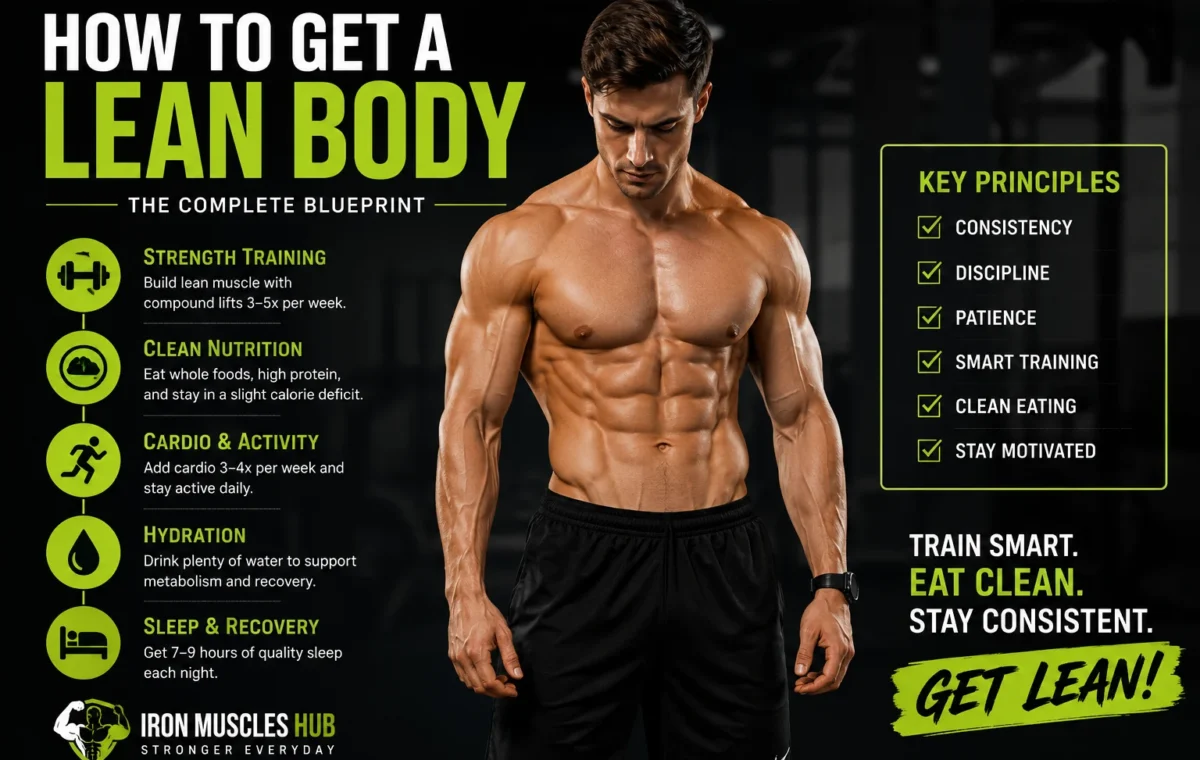
how to get a lean body Getting a lean body means reducing body fat while maintaining or building muscle. The safest and most effective way to do this is by combining a balanced diet, regular strength training, smart cardio, quality sleep, and consistency over time. There are no shortcuts or miracle diets that produce lasting results.
- Quick Answer
- Add Cardio Without Overdoing It
- Eat More Of These Foods
- Limit These Foods
- 1. Eating Too Little
- 2. Doing Only Cardio
- 3. Skipping Protein
- 4. Expecting Fast Results
- 5. Ignoring Recovery
- Frequently Asked Questions
- How long does it take to get a lean body?
- Can I get lean without going to the gym?
- What's the best diet for getting lean?
- Should I do cardio every day?
- Can I lose fat and build muscle at the same time?
- Do I need supplements to get a lean body?
- Simple Daily Checklist for a Lean Body
- Key Lessons to Remember
If you’re just starting, the good news is that you don’t need expensive supplements or hours in the gym every day. Small habits repeated consistently can completely change how you look and feel over the coming months. This guide explains exactly how to get a lean body using practical, science-backed strategies that beginners can actually follow. For more insights read here:- how long does it take to get lean and lean muscle female.
Quick Answer
| Goal | What You Should Do |
|---|---|
| Lose body fat | Eat in a moderate calorie deficit |
| Preserve muscle | Eat plenty of protein every day |
| Build a lean physique | Strength train 3–5 times weekly |
| Burn additional calories | Add regular walking or cardio |
| Improve recovery | Sleep 7–9 hours nightly |
| Long-term success | Stay consistent instead of chasing quick fixes |
Key Takeaways
- Build muscle while gradually losing fat.
- Focus on whole, nutritious foods most of the time.
- Lift weights consistently.
- Include cardio without overdoing it.
- Prioritize recovery just as much as training.
- Expect progress over months—not weeks.
What Does how to get a lean body?
Many people think being lean simply means weighing less. That’s only part of the picture.
A lean body has:
- Lower levels of body fat
- Well-developed muscles
- Good overall fitness
- Healthy energy levels
- Sustainable eating habits
Being lean is not the same as being extremely skinny. Someone who loses a lot of weight without strength training may appear smaller but still have relatively little muscle.
Instead, the goal is improving your body composition, which refers to the proportion of muscle and fat in your body.
For most beginners, improving body composition is far healthier—and usually looks better—than simply trying to lose as much weight as possible.
Why Nutrition Matters More Than Exercise
Exercise is important, but nutrition does most of the work when your goal is reducing body fat.
You can’t consistently out-train a poor diet.
A balanced eating plan helps you:
- Control calorie intake
- Maintain muscle mass
- Recover from workouts
- Support hormone health
- Keep energy levels stable
Instead of following restrictive diets, build meals around:
- Lean protein
- Vegetables
- Fruit
- Whole grains
- Healthy fats
This approach is easier to maintain long term and provides the nutrients your body needs for training and recovery.
Step 1: Create a Moderate Calorie Deficit
To lose body fat, your body must use more energy than it receives from food.
This is called a calorie deficit.
A moderate calorie deficit encourages steady fat loss while helping preserve muscle when combined with adequate protein intake and resistance training.
Avoid extremely low-calorie diets. They may lead to:
- Muscle loss
- Low energy
- Poor workout performance
- Increased hunger
- Difficulty maintaining results
A gradual approach is generally easier to sustain and produces better long-term outcomes.
Step 2: Prioritize Protein at Every Meal
Protein is one of the most important nutrients for building and maintaining muscle.
Eating enough protein can help:
- Preserve muscle during fat loss
- Increase fullness after meals
- Support recovery
- Improve training performance
Good protein sources include:
| Food | Examples |
|---|---|
| Poultry | Chicken breast, turkey |
| Fish | Salmon, tuna, cod |
| Eggs | Whole eggs and egg whites |
| Dairy | Greek yogurt, cottage cheese |
| Plant Protein | Lentils, beans, tofu, tempeh |
| Lean Meat | Lean beef, pork loin |
Try to include a quality protein source with each meal rather than consuming most of your daily protein at dinner.
Step 3: Start Strength Training
If your goal is getting lean, lifting weights should be the foundation of your workout routine.
Strength training helps your body:
- Build muscle
- Maintain muscle during fat loss
- Increase strength
- Improve posture
- Support long-term metabolism
Beginners don’t need complicated programs.
A simple routine performed three to four days each week can be highly effective.
Focus on basic compound exercises such as:
- Squats
- Deadlifts
- Push-ups
- Bench press
- Rows
- Overhead press
- Lunges
Aim to gradually increase either the weight you lift or the number of repetitions over time. This principle—known as progressive overload—is one of the most reliable ways to build muscle.
Add Cardio Without Overdoing It
Cardio can help increase the number of calories you burn, improve heart health, and boost your overall fitness. However, it works best alongside strength training, not instead of it.
For beginners, aim for 150–300 minutes of moderate-intensity aerobic activity each week, or 75–150 minutes of vigorous activity, in line with public health recommendations. Brisk walking, cycling, swimming, and jogging are all excellent choices.
Good beginner cardio options include:
| Activity | Benefits |
|---|---|
| Brisk walking | Easy on the joints and simple to maintain |
| Cycling | Great for endurance with low impact |
| Swimming | Full-body workout that’s gentle on joints |
| Jogging | Improves cardiovascular fitness |
| Rowing | Builds endurance while engaging multiple muscle groups |
If you’re new to exercise, even a 30-minute walk most days of the week can make a noticeable difference.
Step 5: Choose Foods That Support a Lean Body
There’s no single “lean body diet.” Instead, build most meals around nutrient-dense foods that keep you satisfied and support muscle recovery.
Eat More Of These Foods
| Food Group | Examples |
|---|---|
| Lean Protein | Chicken, turkey, fish, eggs, Greek yogurt |
| Vegetables | Broccoli, spinach, peppers, carrots |
| Fruits | Apples, berries, oranges, bananas |
| Whole Grains | Oats, brown rice, quinoa, whole-wheat bread |
| Healthy Fats | Avocados, nuts, seeds, olive oil |
| High-Fiber Foods | Beans, lentils, chickpeas |
Limit These Foods
You don’t have to ban any food completely, but try to reduce:
- Sugary drinks
- Highly processed snacks
- Fast food
- Deep-fried meals
- Excess sweets and desserts
- Alcohol in large amounts
Following the 80/20 approach can help. Eat nutritious whole foods most of the time while leaving room for occasional treats.
Step 6: Don’t Ignore Sleep and Recovery
Many beginners focus only on workouts and diet, forgetting that recovery is when your body repairs and builds muscle.
Poor sleep can affect:
- Workout performance
- Hunger levels
- Recovery
- Energy
- Motivation
Aim for 7–9 hours of quality sleep each night.
Other recovery habits include:
- Staying hydrated
- Taking rest days
- Stretching after workouts
- Managing stress
- Avoiding excessive training
Consistency beats intensity. Training hard every day without recovery often slows progress instead of speeding it up.
Step 7: Stay Consistent Instead of Looking for Shortcuts
One of the biggest mistakes beginners make is constantly switching diets or workout plans after only a couple of weeks.
A lean body develops through months of steady effort, not days.
Track your progress by looking at more than just the scale.
Useful progress indicators include:
- Body measurements
- Progress photos
- Strength improvements
- Clothing fit
- Energy levels
- Workout performance
These often show improvement before the number on the scale changes significantly.
Sample Beginner Weekly Workout Plan
| Day | Workout |
|---|---|
| Monday | Full-body strength training |
| Tuesday | 30-minute brisk walk or cycling |
| Wednesday | Full-body strength training |
| Thursday | Active recovery or stretching |
| Friday | Full-body strength training |
| Saturday | Cardio (walking, jogging, swimming) |
| Sunday | Rest and recovery |
This schedule gives your muscles time to recover while keeping you active throughout the week.
Common Mistakes That Slow Fat Loss
Avoid these common pitfalls:
1. Eating Too Little
Very low-calorie diets can reduce energy, make workouts harder, and increase the risk of losing muscle.
2. Doing Only Cardio
Hours on the treadmill without resistance training often lead to less muscle development.
3. Skipping Protein
Protein supports muscle maintenance and recovery, especially during fat loss.
4. Expecting Fast Results
Healthy body recomposition takes time. Sustainable habits consistently outperform crash diets.
5. Ignoring Recovery
Without adequate sleep and rest, your body struggles to recover and perform at its best.
A Realistic 30-Day Lean Body Plan
Here’s an example of how a beginner might get started.
| Week | Focus |
|---|---|
| Week 1 | Begin strength training 3 times and walk daily |
| Week 2 | Increase protein intake and improve meal planning |
| Week 3 | Add an extra cardio session and increase workout intensity slightly |
| Week 4 | Review progress, adjust calories if needed, and continue building healthy habits |
Remember, visible changes vary from person to person. Focus on building habits you can maintain long after the first month.
Frequently Asked Questions
How long does it take to get a lean body?
It depends on your starting point, eating habits, and training consistency. Most beginners notice improvements in their energy, strength, and body composition within 8–12 weeks of following a balanced nutrition plan and regular strength-training routine. Bigger changes usually take several months of consistent effort.
Can I get lean without going to the gym?
Yes. While a gym provides more equipment, you can build a lean body at home using bodyweight exercises such as push-ups, squats, lunges, planks, and resistance bands. Pair your workouts with a nutritious diet and regular walking or other cardio for the best results.
What’s the best diet for getting lean?
The best diet is one you can stick with long term. Focus on:
- Lean protein
- Vegetables and fruit
- Whole grains
- Healthy fats
- Plenty of water
Avoid extreme diets that eliminate entire food groups unless recommended by a healthcare professional.
Should I do cardio every day?
Not necessarily. Cardio supports fat loss and heart health, but too much can interfere with recovery if you’re also strength training. Most beginners do well with 2–4 cardio sessions each week, along with regular daily movement such as walking.
Can I lose fat and build muscle at the same time?
Yes. Beginners, people returning to exercise, and those with higher body fat levels can often lose fat while gaining muscle. This is known as body recomposition. Eating enough protein and following a structured strength-training program are key to making it work.
Do I need supplements to get a lean body?
No. Supplements aren’t required for most people. A balanced diet that provides enough protein, carbohydrates, healthy fats, vitamins, and minerals is the foundation of a lean physique. If you’re considering supplements, speak with a healthcare professional or registered dietitian first.
Simple Daily Checklist for a Lean Body
Use this checklist to stay on track each day:
| Habit | Completed? |
|---|---|
| Ate protein with each meal | ☐ |
| Included vegetables and fruit | ☐ |
| Drank enough water | ☐ |
| Completed today’s workout or walk | ☐ |
| Slept 7–9 hours | ☐ |
| Stayed within calorie goal | ☐ |
You don’t need a perfect score every day. Aim to check off most of these habits consistently over time.
Key Lessons to Remember
Getting a lean body isn’t about following the latest fitness trend or cutting out all your favorite foods. It’s about creating habits that you can maintain for months and years.
Start with a moderate calorie deficit, eat enough protein, and make strength training the foundation of your exercise routine. Add cardio to improve fitness and support fat loss, but don’t rely on it alone. Prioritize sleep, hydration, and recovery just as much as your workouts.
Progress won’t happen overnight, but small improvements add up. If you stay patient and consistent, you’ll not only look leaner—you’ll also become stronger, healthier, and more confident.