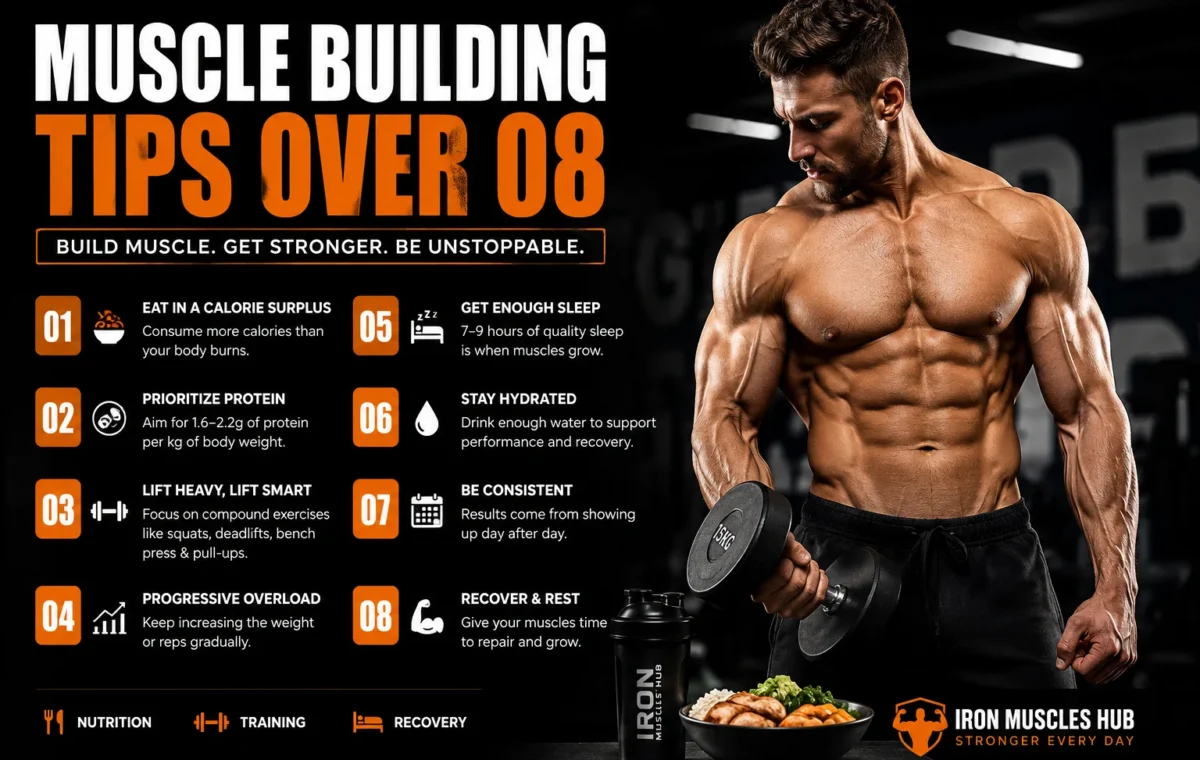
If you’re searching for muscle building tips over 08, the most important thing to understand is that building muscle successfully comes down to consistent strength training, nutritious eating, quality recovery, and patience. There are no magic shortcuts, but following proven habits can help you build lean muscle safely and steadily.
- Key Takeaways
- Increased Strength
- Better Physical Fitness
- Improved Posture
- Healthier Body Composition
- Greater Confidence
- Best Exercises
- Sample Weekly Schedule
- Tip 6: Eat Enough to Support Muscle Growth
- Best High-Protein Foods
- Lean Bulk Benefits
- Sleep 7–9 Hours Every Night
- Schedule Rest Days
- Stay Hydrated
- 1. Not Eating Enough
- 2. Skipping Protein
- 3. Eating Too Much Processed Food
- 4. Avoiding Carbohydrates
- 5. Depending Only on Supplements
- What is the fastest way to build muscle naturally?
- How many times a week should I train for muscle growth?
- What foods are best for building muscle?
- Do I need supplements to gain muscle?
- Can I build muscle at home?
- Why am I not building muscle?
Whether “over 08” refers to a stage in your fitness plan or a keyword from your research, the muscle-building principles remain the same. This guide explains the essential steps beginners should follow to gain strength, improve muscle size, and stay consistent throughout their fitness journey. For more insights read here:- how to get a compact body build and Lean and Muscular.
Quick Answer
| Goal | Best Strategy |
|---|---|
| Build Muscle | Strength train 3–5 days each week |
| Increase Strength | Focus on compound exercises |
| Support Growth | Eat enough protein and nutritious foods |
| Improve Recovery | Sleep 7–9 hours each night |
| Stay Consistent | Follow a structured workout plan |
| Avoid Fat Gain | Increase calories gradually |
Key Takeaways
- Build muscle with progressive strength training.
- Eat balanced meals rich in protein.
- Recover properly between workouts.
- Stay patient and track your progress.
- Focus on long-term consistency instead of quick fixes.
What Does Muscle Building Mean?
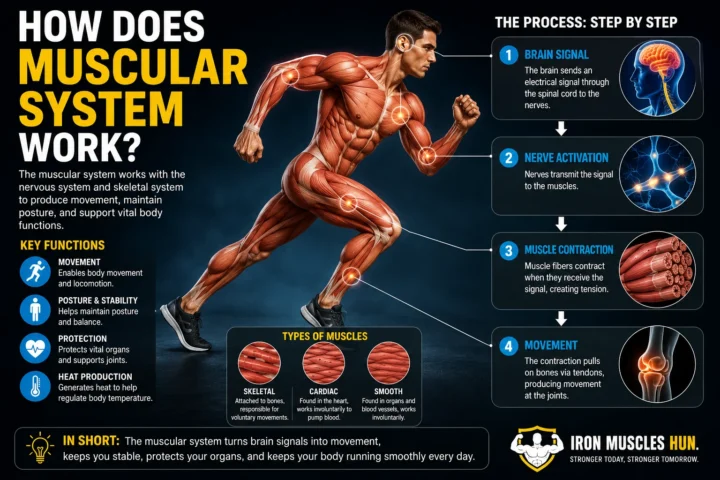
Muscle building is the process of increasing muscle size and strength through resistance training, proper nutrition, and recovery.
When you lift weights, tiny muscle fibers experience stress. During recovery, your body repairs these fibers, helping them grow stronger over time.
Successful muscle building depends on four key areas:
- Strength training
- Balanced nutrition
- Recovery
- Consistency
Ignoring any one of these can slow your progress.
Benefits of Building Muscle
Building muscle provides benefits beyond appearance.
Increased Strength
Stronger muscles make everyday activities easier, from carrying groceries to climbing stairs.
Better Physical Fitness
A regular strength-training routine improves:
- Balance
- Coordination
- Stability
- Functional movement
Improved Posture
Training your back, shoulders, and core helps support better posture and reduces muscular imbalances.
Healthier Body Composition
Building muscle while staying active can help improve your body composition when combined with healthy eating habits.
Greater Confidence
Reaching fitness goals often improves self-confidence and motivation to maintain healthy habits.
Tip 1: Focus on Compound Exercises
Compound exercises work multiple muscle groups at the same time, making them highly effective for beginners.
Best Exercises
| Exercise | Main Muscles Worked |
|---|---|
| Squat | Legs, glutes, core |
| Deadlift | Back, hamstrings |
| Bench Press | Chest, shoulders, triceps |
| Pull-Ups | Back, biceps |
| Overhead Press | Shoulders |
| Barbell Row | Upper back |
These movements help build overall strength while encouraging muscle growth throughout your body.
Tip 2: Train Consistently
Consistency is one of the biggest factors in successful muscle building.
Aim for 3–5 strength-training sessions each week.
Sample Weekly Schedule
| Day | Workout |
|---|---|
| Monday | Chest & Triceps |
| Tuesday | Back & Biceps |
| Wednesday | Rest |
| Thursday | Legs |
| Friday | Shoulders & Core |
| Saturday | Full Body |
| Sunday | Rest |
Following a structured plan makes it easier to stay on track.
Tip 3: Increase the Challenge Gradually
Your muscles adapt over time.
To continue making progress, gradually increase the difficulty of your workouts.
You can do this by:
- Adding more weight
- Performing additional repetitions
- Increasing sets
- Improving exercise technique
- Reducing rest periods slightly
Small improvements each week create significant long-term gains.
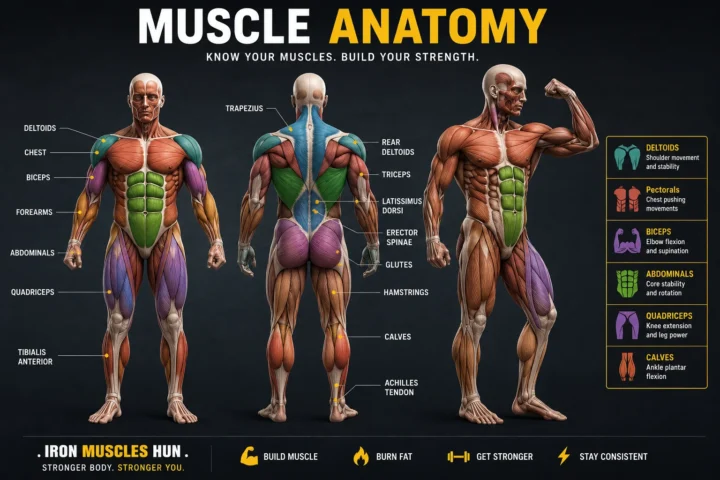
Tip 4: Train Every Muscle Group
Avoid focusing only on your upper body.
A balanced physique includes:
- Chest
- Back
- Shoulders
- Arms
- Core
- Legs
Training your entire body improves strength, athletic performance, and muscle symmetry.
Tip 5: Include Cardio
Cardio supports heart health and helps improve endurance.
Good options include:
- Walking
- Cycling
- Swimming
- Rowing
- Light jogging
Aim for 20–30 minutes, 2–3 times each week, alongside your strength-training sessions.
Common Beginner Mistakes
Avoid these common mistakes:
- Skipping leg workouts
- Ignoring proper exercise form
- Changing workout routines too often
- Training inconsistently
- Expecting immediate results
- Neglecting recovery
Building muscle takes time, and consistency is more important than perfection.
Tip 6: Eat Enough to Support Muscle Growth
If you want to follow the best muscle building tips over 08, your nutrition is just as important as your workouts. Strength training creates the stimulus for muscle growth, but your diet provides the nutrients your muscles need to recover and grow.
Instead of following extreme diets, focus on eating balanced meals that include protein, healthy carbohydrates, healthy fats, and plenty of fruits and vegetables. Also explore how to put on muscle fast
A simple nutrition plan should include:
- High-quality protein
- Complex carbohydrates
- Healthy fats
- Plenty of water
- Whole, minimally processed foods
Prioritize Protein Every Day
Protein helps repair muscle tissue after workouts and supports muscle growth.
Try to include a protein source with every meal.
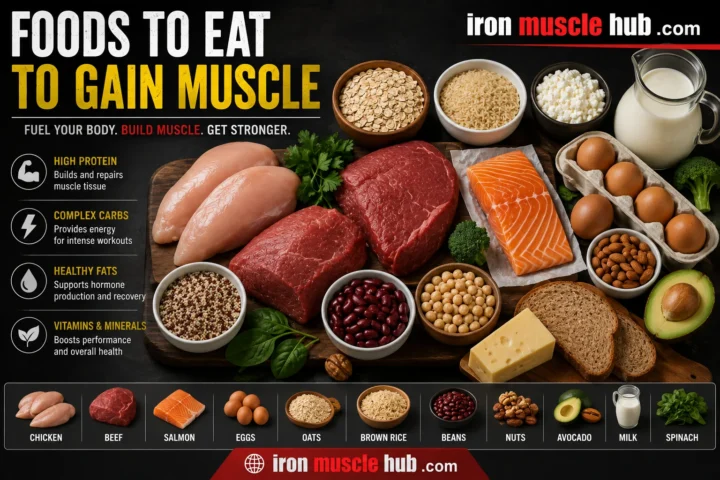
Best High-Protein Foods
| Food | Benefits |
|---|---|
| Chicken Breast | Lean protein for muscle repair |
| Eggs | Complete protein with essential nutrients |
| Greek Yogurt | High in protein and calcium |
| Cottage Cheese | Slow-digesting protein |
| Lean Beef | Protein plus iron and zinc |
| Salmon | Protein with healthy omega-3 fats |
| Tuna | Lean and convenient protein |
| Turkey | Low-fat protein source |
| Tofu | Excellent plant-based protein |
| Lentils & Beans | Protein with fiber |
Eating protein consistently throughout the day supports recovery better than eating it all in one meal.
Eat Smart Carbohydrates
Carbohydrates fuel your workouts and help restore energy after training.
Good carbohydrate choices include:
- Oatmeal
- Brown rice
- Sweet potatoes
- Whole-grain bread
- Whole-grain pasta
- Quinoa
- Bananas
- Apples
- Mixed vegetables
These foods provide steady energy without relying heavily on processed sugars.
Include Healthy Fats
Healthy fats support hormone production, recovery, and overall health.
Choose foods like:
- Avocados
- Almonds
- Walnuts
- Olive oil
- Peanut butter
- Chia seeds
- Flaxseeds
- Salmon
Healthy fats are an important part of a balanced muscle-building diet.
Tip 7: Follow a Lean Bulk
Many beginners think eating as much as possible is the fastest way to build muscle.
A better strategy is a lean bulk.
Lean Bulk Benefits
- Steady muscle growth
- Less unnecessary fat gain
- Better muscle definition
- Easier long-term progress
Instead of overeating junk food, increase your calorie intake gradually while choosing mostly nutritious foods.
Sample Muscle-Building Meal Plan
| Meal | Example Foods |
|---|---|
| Breakfast | Oatmeal, scrambled eggs, berries |
| Morning Snack | Greek yogurt and almonds |
| Lunch | Grilled chicken, brown rice, broccoli |
| Afternoon Snack | Banana with peanut butter |
| Dinner | Salmon, sweet potato, mixed vegetables |
| Evening Snack | Cottage cheese or protein shake |
This simple meal plan provides a balance of protein, carbohydrates, healthy fats, vitamins, and minerals.
Tip 8: Recovery Is Part of Muscle Growth
Muscles don’t grow while you’re lifting weights.
They grow while your body is recovering.
Recovery is just as important as your workouts.
Sleep 7–9 Hours Every Night
Quality sleep supports:
- Muscle repair
- Strength gains
- Hormone balance
- Better workout performance
- Increased energy
Poor sleep can slow muscle growth and reduce your training performance.
Schedule Rest Days
Training every day without enough recovery may increase fatigue and reduce progress.
Include 1–2 complete rest days each week.
You can also do active recovery activities such as:
- Walking
- Stretching
- Yoga
- Light cycling
- Mobility exercises
Stay Hydrated
Water plays an important role in muscle function and recovery.
Simple hydration habits include:
- Drink water throughout the day.
- Carry a water bottle during workouts.
- Increase fluid intake after heavy exercise.
Proper hydration also helps improve workout performance.
Tip 9: Consider Supplements Carefully
Supplements are optional.
Most muscle growth comes from:
- Effective training
- Balanced nutrition
- Consistent recovery
Some commonly used supplements include:
| Supplement | Purpose |
|---|---|
| Whey Protein | Helps increase daily protein intake |
| Creatine Monohydrate | Supports strength and power |
| Fish Oil | Supports overall health |
| Vitamin D | May help if dietary intake or sun exposure is low |
Supplements should support your diet, not replace healthy eating.
Common Nutrition Mistakes
Many beginners make mistakes that slow muscle growth.
1. Not Eating Enough
Without enough calories, your body has fewer resources available for muscle growth.
2. Skipping Protein
Protein supports muscle repair after training.
Include it regularly throughout your day.
3. Eating Too Much Processed Food
A muscle-building diet doesn’t mean eating unlimited fast food.
Choose mostly whole, nutritious foods while enjoying treats occasionally.
4. Avoiding Carbohydrates
Carbohydrates provide energy for challenging workouts.
Completely removing them often reduces workout performance.
5. Depending Only on Supplements
Supplements cannot replace consistent training and balanced meals.
Food should always come first.
How Long Does Muscle Growth Take?
Building muscle is a gradual process.
Here’s a realistic timeline:
| Time | Expected Progress |
|---|---|
| 2–4 Weeks | Improved strength and exercise technique |
| 1–3 Months | Better muscle definition |
| 3–6 Months | Visible muscle growth |
| 6–12 Months | Significant improvements in size and strength |
| 1 Year+ | Well-developed athletic physique |
Everyone progresses at a different pace depending on training, nutrition, sleep, and genetics.
Weekly Muscle-Building Checklist
Use this checklist every week:
✅ Complete 3–5 strength-training workouts
✅ Eat protein with every meal
✅ Include fruits and vegetables daily
✅ Drink enough water
✅ Sleep 7–9 hours every night
✅ Increase workout intensity gradually
✅ Take scheduled rest days
✅ Track your workouts and progress
Following these habits consistently will help you build muscle safely and effectively over time.
What is the fastest way to build muscle naturally?
The fastest natural way to build muscle is to combine progressive strength training, a balanced diet rich in protein, adequate calories, and consistent recovery. Focus on compound exercises, increase the challenge gradually, and prioritize sleep. While results vary, following these muscle building tips over 08 consistently will help you make steady progress.
How many times a week should I train for muscle growth?
For most beginners, 3–5 strength-training sessions per week are enough to stimulate muscle growth while allowing proper recovery. Train every major muscle group at least once each week, and avoid working the same muscles on consecutive days without adequate rest.
What foods are best for building muscle?
A muscle-building diet should include lean protein, complex carbohydrates, healthy fats, and plenty of fruits and vegetables.
Some excellent choices include:
- Chicken breast
- Eggs
- Salmon
- Greek yogurt
- Lean beef
- Brown rice
- Oatmeal
- Sweet potatoes
- Fruits
- Green vegetables
- Nuts and seeds
Whole foods should form the foundation of your nutrition plan.
Do I need supplements to gain muscle?
No. Supplements are optional.
Most people can build muscle successfully through regular training and a balanced diet. Supplements such as whey protein or creatine monohydrate may be helpful for some individuals, but they work best when combined with consistent workouts and healthy eating habits.
Can I build muscle at home?
Yes.
You can gain muscle at home using bodyweight exercises or basic equipment such as adjustable dumbbells and resistance bands.
Effective home exercises include:
- Push-ups
- Pull-ups
- Squats
- Lunges
- Bulgarian split squats
- Pike push-ups
- Resistance band rows
- Planks
As you become stronger, continue increasing the challenge by adding resistance or choosing more advanced exercise variations.
Why am I not building muscle?
Several factors can slow muscle growth, including:
- Not eating enough calories
- Low protein intake
- Poor workout consistency
- Lack of progressive overload
- Inadequate sleep
- Insufficient recovery
- Frequently changing workout routines
Improving these areas often leads to better results over time.
Weekly Muscle-Building Plan
| Day | Workout |
|---|---|
| Monday | Chest & Triceps |
| Tuesday | Back & Biceps |
| Wednesday | Active Recovery or Walking |
| Thursday | Legs |
| Friday | Shoulders & Core |
| Saturday | Full-Body Strength Workout |
| Sunday | Rest |
Following a structured schedule helps build balanced muscle while reducing the risk of overtraining.
Muscle Building Success Checklist
Before starting each week, review this checklist:
✅ Complete 3–5 strength-training sessions
✅ Focus on compound exercises first
✅ Eat a protein-rich meal after training
✅ Include healthy carbohydrates and vegetables
✅ Drink plenty of water
✅ Sleep 7–9 hours every night
✅ Increase weights or repetitions gradually
✅ Stay consistent for at least 12 weeks
Small improvements repeated consistently lead to significant long-term muscle growth.
Common Signs You’re Making Progress
Muscle growth isn’t measured by the scale alone.
Look for these signs:
- Increased strength
- Better workout performance
- Improved muscle definition
- Clothes fitting differently
- Faster recovery between workouts
- Better posture
- Increased confidence
Tracking your progress with photos, body measurements, and a workout log can help you stay motivated.
Final Thoughts
Following the right muscle building tips over 08 is about mastering the fundamentals rather than searching for shortcuts. A well-designed strength-training program, balanced nutrition, proper hydration, and quality sleep work together to support long-term muscle growth.
Remember that building muscle takes patience. Instead of expecting overnight changes, aim to improve your workouts, nutrition, and recovery a little each week. Those small improvements add up over time and create lasting results.
Stay consistent, trust the process, and focus on building healthy habits that you can maintain for years. A strong, lean, and healthy physique is built through regular effort—not quick fixes.