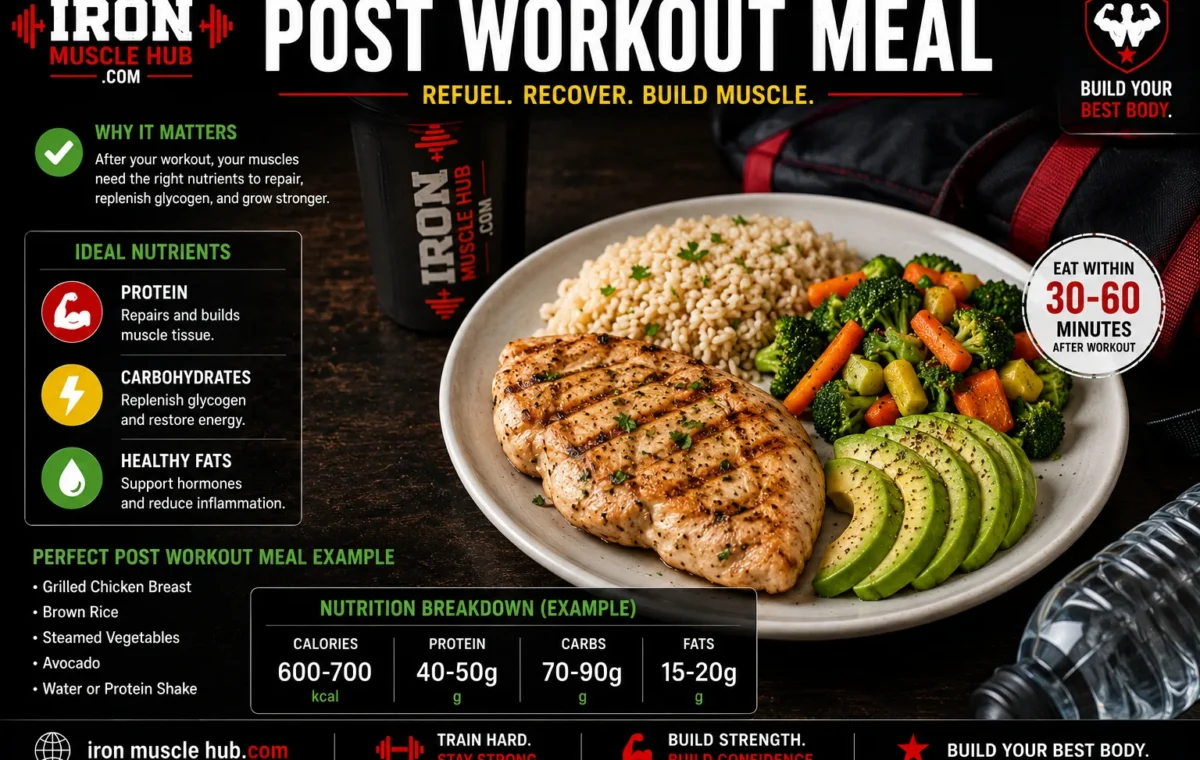
A good post workout meal should usually combine a quality protein source with carbohydrate-rich foods, plus fluids to replace what you lost during exercise. Protein supports muscle repair and growth, while carbohydrates can help restore energy stores, particularly after longer or harder training sessions.
- Post Workout Meal at a Glance
- Why Your Post Workout Meal Matters
- What Should a Post Workout Meal Include?
- 1. Protein
- 2. Carbohydrates
- 3. Fluids
- How Soon Should You Eat After a Workout?
- 10 Easy Post Workout Meal Ideas
- 1. Chicken, Rice and Vegetables
- 2. Eggs, Potatoes and Fruit
- 3. Greek Yogurt, Oats and Berries
- 4. Salmon, Potatoes and Vegetables
- 5. Turkey Sandwich and Fruit
- 6. Tofu Rice Bowl
- 7. Lentils and Rice
- 8. Cottage Cheese and Fruit
- 9. Beans, Potatoes and Vegetables
- 10. Protein Oatmeal
- A Simple Formula for Building Your Own Post Workout Meal
- Post Workout Meal for Muscle Gain
- Post Workout Meal for Weight Loss
- What If You Don't Feel Hungry After Exercise?
- Do You Need a Protein Shake After a Workout?
- Common Post Workout Meal Mistakes
- Mistake 1: Chasing the "30-Minute Window"
- Mistake 2: Eating Only Protein
- Mistake 3: Thinking More Protein Is Always Better
- Mistake 4: Ignoring the Rest of the Day
- Mistake 5: Spending Too Much on "Fitness Foods"
- A Worked Example: Building a Post Workout Meal
- How to Make Post Workout Meals Cheaper
- Internal Link Ideas for Iron Muscle Hub
- Frequently Asked Questions
- What is the best post workout meal?
- How much protein should I eat after a workout?
- Should I eat carbs after a workout?
- How soon should I eat after exercising?
- Is a protein shake necessary after a workout?
- What should I eat after a workout if I'm trying to lose weight?
- Build a Post Workout Meal You Can Actually Stick With
- How to Choose the Right Post Workout Meal for Your Goal
- If Your Goal Is Muscle Growth
- If Your Goal Is Fat Loss
- If You Have a Long or Hard Workout
- What to Eat If You Work Out in the Morning
- What to Eat If You Work Out at Night
- Post Workout Meal Prep for Busy Beginners
- A Simple Meal-Prep Formula
- A Budget-Friendly Post Workout Meal Plan
- What About a Post Workout Smoothie?
- What About Supplements?
- The Biggest Post Workout Nutrition Lesson
The good news is that you don’t need an expensive supplement or a complicated meal plan. A simple plate of chicken and rice, eggs and toast, Greek yogurt with fruit, or beans with potatoes can work well. What matters most is your overall diet, training, recovery, and consistency. For more insights read here :- how to build muscle and how to grow muscle .
Quick answer: Aim for a balanced meal containing protein + carbohydrates + fluids after training. For many exercising adults, a practical protein serving is around 20–40 g, depending on body size, training and the rest of the day’s diet.
Post Workout Meal at a Glance
| Goal | What to prioritize | Easy meal example |
|---|---|---|
| Muscle growth | Protein + carbs + enough total food | Chicken, rice and vegetables |
| Strength training | Protein + carbs | Eggs, potatoes and fruit |
| Endurance training | Carbohydrates + protein + fluids | Yogurt, oats and banana |
| Weight management | Protein + vegetables + sensible carbs | Chicken salad with potatoes |
| Vegetarian | Plant protein + carbs | Tofu, rice and vegetables |
| Vegan | Beans, lentils, tofu or soy + carbs | Lentil bowl with rice and vegetables |
| Quick option | Convenient protein + carbohydrate | Greek yogurt with fruit and oats |
Why Your Post Workout Meal Matters
Exercise creates a demand for recovery. Resistance training, running, cycling and other activities place stress on muscles and use stored energy.
Eating afterward gives your body nutrients it can use during the recovery process. Protein provides amino acids needed for muscle protein synthesis, while carbohydrate helps replenish energy stores.
That doesn’t mean your workout becomes useless if you don’t eat immediately after leaving the gym. Your total food intake across the day matters greatly, and the need for an immediate meal can vary depending on what you ate before training and what type of exercise you completed.
This is one reason you shouldn’t stress over a strict “30-minute anabolic window.”
What Should a Post Workout Meal Include?
1. Protein
Protein is the main nutrient to think about after resistance training.
The International Society of Sports Nutrition reports that 20–40 g of high-quality protein per serving, or roughly 0.25–0.40 g per kg of body weight, is a useful general range for exercising individuals. It also emphasizes spreading protein intake across the day rather than relying on one giant serving.
Good choices include:
- Chicken or turkey
- Fish
- Eggs
- Greek yogurt
- Cottage cheese
- Milk
- Lean beef
- Tofu
- Tempeh
- Beans and lentils
- Soy foods
You don’t have to use whey protein. Whole foods can provide the protein you need, although a protein shake can be convenient when a normal meal isn’t practical.
2. Carbohydrates
Carbohydrates are useful after exercise because they provide energy and help replenish muscle glycogen.
They’re especially relevant if your workout was long, demanding, or followed by another training session relatively soon. The ISSN notes that carbohydrate availability is particularly important for endurance exercise and recovery.
Simple post-workout carbohydrate choices include:
- Rice
- Potatoes
- Oats
- Pasta
- Bread
- Wholegrain cereal
- Fruit
- Beans
- Couscous
- Quinoa
You don’t need to fear carbohydrates after a workout. Your body can use them as part of normal recovery.
3. Fluids
Hydration is another part of recovery that is easy to overlook.
How much you need depends on factors such as exercise duration, temperature, sweat losses and your individual needs. For everyday hydration, UK government guidance recommends 6–8 cups or glasses of fluid per day, while exercise can increase your fluid requirements.
Water is a straightforward choice for most ordinary workouts. If you’ve exercised for a long time or sweated heavily, your hydration strategy may need more attention.
How Soon Should You Eat After a Workout?
You don’t necessarily need to eat the moment your workout ends.
Research summarized by the ISSN indicates that consuming high-quality protein in the period immediately after exercise through roughly 2 hours afterward can stimulate muscle protein synthesis. At the same time, the size and timing of your pre-workout meal can affect how important immediate post-workout protein is.
A practical approach is:
- Finish your workout.
- Drink fluids.
- Have your normal post-workout meal when convenient.
- Include a meaningful protein source.
- Add carbohydrate according to your workout and overall dietary needs.
If you ate a protein-rich meal shortly before exercising, you don’t need to panic because you can’t eat again within minutes of finishing.
10 Easy Post Workout Meal Ideas
You can build a useful recovery meal without buying specialist sports foods.
1. Chicken, Rice and Vegetables
Combine grilled chicken with rice and your choice of vegetables. Add fruit if you want more carbohydrate.
This is a simple option after strength training because it gives you a clear protein source alongside carbohydrate.
2. Eggs, Potatoes and Fruit
Eggs provide protein, while potatoes provide carbohydrate. Add fruit or vegetables for extra variety.
It’s also easy to prepare in advance.
3. Greek Yogurt, Oats and Berries
For a lighter meal, combine Greek yogurt with oats and berries.
This works well when you don’t feel like eating a large plate immediately after training.
4. Salmon, Potatoes and Vegetables
Salmon provides protein and is also a source of beneficial fats. Pair it with potatoes and vegetables for a balanced meal.
5. Turkey Sandwich and Fruit
A turkey sandwich can be a practical choice if you’re heading somewhere after the gym.
Choose bread you enjoy, add vegetables, and pair it with fruit.
6. Tofu Rice Bowl
For a vegetarian or vegan-friendly option, combine tofu with rice and vegetables.
Soy foods such as tofu and tempeh are recognized protein choices in U.S. government nutrition guidance.
7. Lentils and Rice
Lentils provide plant protein and carbohydrate-rich rice makes the meal more substantial.
Add vegetables and seasonings you enjoy.
8. Cottage Cheese and Fruit
Cottage cheese with fruit can work as a quick option when you want something simple.
Add oats or wholegrain toast if you need a more substantial meal.
9. Beans, Potatoes and Vegetables
Beans paired with potatoes make an inexpensive, filling meal.
This is particularly useful if you’re trying to keep food costs under control while eating for training.
10. Protein Oatmeal
Prepare oats with milk or a fortified plant alternative and add Greek yogurt, nuts, seeds or another protein source.
Fruit can add flavor and carbohydrate without making the meal complicated.
A Simple Formula for Building Your Own Post Workout Meal
Instead of memorizing dozens of recipes, use this four-part formula:
Protein + carbohydrate + produce + fluids
For example:
Protein: chicken
Carbohydrate: rice
Produce: broccoli and berries
Fluid: water
Or:
Protein: tofu
Carbohydrate: potatoes
Produce: mixed vegetables
Fluid: water
This approach is flexible enough for different budgets, cultures and dietary preferences.
The UK’s Eatwell Guide also emphasizes eating a variety of protein foods, starchy carbohydrates, fruit and vegetables, dairy or alternatives, and appropriate fluids as part of an overall balanced diet.
Post Workout Meal for Muscle Gain
If your main goal is building muscle, don’t focus only on your post-workout meal.
Your total daily protein and energy intake matter more than trying to create one perfect meal. The ISSN states that most exercising individuals can support muscle building and maintenance with roughly 1.4–2.0 g of protein per kg of body weight per day, although individual needs vary.
A practical muscle-building meal could look like:
Chicken + rice + vegetables + fruit
Or:
Greek yogurt + oats + berries + nuts
The key is to make the meal part of a consistent eating pattern rather than treating it as a special recovery ritual.
Post Workout Meal for Weight Loss
A post-workout meal can also fit into a fat-loss diet.
The mistake is assuming that you need to avoid food after exercising because you want to lose weight. Instead, build a meal that provides protein, vegetables and an appropriate amount of carbohydrate for your overall calorie needs.
For example:
Grilled chicken + roasted vegetables + a moderate serving of potatoes
or
Greek yogurt + berries + oats
The right portion depends on your body size, activity level, hunger, training load and overall diet. There isn’t one post-workout portion that works for everyone.
What If You Don’t Feel Hungry After Exercise?
You don’t have to force down a huge meal.
Try something smaller and easier to tolerate, such as:
- Greek yogurt and fruit
- Milk and a banana
- A smoothie containing a protein source
- Toast with eggs
- A small rice and chicken bowl
Then have a normal meal later when your appetite returns.
For people with demanding training schedules, planning food ahead can make recovery nutrition much easier. An Oxford University Hospitals sports nutrition resource also recommends having a post-training snack or meal containing both protein and carbohydrate.
Do You Need a Protein Shake After a Workout?
No.
A protein shake is a convenience food, not a requirement.
If you can eat a normal meal containing enough protein, that’s perfectly reasonable. The ISSN specifically notes that active people can obtain their protein needs from whole foods, while supplements can be useful when getting enough protein from food is inconvenient.
A shake can make sense if you’re commuting from the gym, don’t have access to a kitchen, or simply find it easier to drink something after training.
Think of it as a practical tool rather than a shortcut.
Common Post Workout Meal Mistakes
Mistake 1: Chasing the “30-Minute Window”
You don’t need to rush home in panic because the clock says your recovery window is closing.
Protein intake before and after exercise can both contribute to recovery, and the effects of resistance exercise on muscle protein synthesis last much longer than a few minutes.
Mistake 2: Eating Only Protein
A chicken breast or protein shake isn’t automatically a complete recovery meal.
Depending on your workout and goals, adding carbohydrate can help replenish energy stores and make the meal more useful and satisfying.
Mistake 3: Thinking More Protein Is Always Better
More isn’t automatically better.
Daily protein needs are individual, and the ISSN recommends practical per-meal amounts rather than simply consuming as much protein as possible.
Mistake 4: Ignoring the Rest of the Day
One excellent meal can’t compensate for consistently poor nutrition.
Your breakfast, lunch, dinner, snacks, total energy intake, protein distribution, sleep and training all contribute to your results. ACSM also emphasizes that recovery nutrition and adequate sleep are important parts of the overall recovery process.
Mistake 5: Spending Too Much on “Fitness Foods”
You don’t need premium protein bars, expensive shakes or specialized recovery products for every workout.
Eggs, milk, yogurt, beans, lentils, chicken, rice, potatoes, oats and fruit can all be practical supermarket choices.
A Worked Example: Building a Post Workout Meal
Imagine someone finishes a resistance-training session in the evening.
Instead of searching for a special recovery product, they could make:
Chicken + rice + mixed vegetables + fruit + water
Here’s why the combination works:
- Chicken: provides a substantial protein source.
- Rice: supplies carbohydrate.
- Vegetables: add variety and micronutrients.
- Fruit: adds carbohydrate and variety.
- Water: supports normal hydration.
The exact serving sizes should match the person’s overall diet, appetite, body size and goals.
That’s the important point: the best post workout meal isn’t necessarily the most complicated one.
How to Make Post Workout Meals Cheaper
Eating for fitness doesn’t have to become an expensive monthly bill.
Try these simple strategies:
- Buy staple carbohydrates in larger packs. Rice, oats, potatoes and pasta can form the base of many meals.
- Use eggs and beans regularly. They can provide affordable protein options.
- Buy frozen vegetables and fruit when practical. They’re convenient and can reduce food waste.
- Cook several servings at once. A batch of rice, chicken and vegetables can cover multiple meals.
- Use leftovers. Yesterday’s dinner can become today’s post-workout meal.
- Don’t buy supplements automatically. First work out whether you actually need the convenience.
This is especially useful for beginners who want to improve nutrition without turning fitness into an expensive hobby.
Internal Link Ideas for Iron Muscle Hub
Consider linking this article to related beginner-friendly articles such as:
- Foods to Eat to Gain Muscle
- High Protein Foods for Muscle Growth
- Protein Shake Without Protein Powder
These links can help readers move from one practical nutrition question to the next without leaving the site.
Frequently Asked Questions
What is the best post workout meal?
There isn’t one perfect meal for everyone. A strong general choice combines a protein source with carbohydrate-rich food, vegetables or fruit, and fluids. Examples include chicken with rice and vegetables, eggs with potatoes and fruit, or Greek yogurt with oats and berries. Your overall diet and daily protein intake matter more than finding one magical recipe.
How much protein should I eat after a workout?
A commonly cited range for exercising adults is 20–40 g of high-quality protein per serving, or approximately 0.25–0.40 g per kg of body weight. Individual needs vary with body size, age, training, diet and goals. The ISSN also emphasizes distributing protein across the day rather than concentrating it in one meal.
Should I eat carbs after a workout?
Carbohydrates can be useful after exercise because they help replenish muscle glycogen and provide energy. They’re particularly important when training is long or demanding, or when another workout is coming soon. For ordinary workouts, the amount you need should fit your overall energy and carbohydrate intake rather than follow a rigid post-workout rule.
How soon should I eat after exercising?
You don’t have to eat immediately after your final set. Research summarized by the ISSN supports consuming high-quality protein during the post-exercise period, including immediately through roughly two hours afterward. If you ate a substantial meal before training, the urgency may be lower.
Is a protein shake necessary after a workout?
No. Whole foods can provide the protein needed for recovery. Protein shakes are mainly useful for convenience when preparing or carrying a normal meal isn’t practical. If you already meet your protein needs through regular food, adding a shake isn’t automatically necessary.
What should I eat after a workout if I’m trying to lose weight?
Choose a meal that provides protein and plenty of nutritious, filling foods while keeping the overall portion appropriate for your daily energy needs. Chicken with vegetables and potatoes, Greek yogurt with fruit and oats, or tofu with vegetables and rice can all fit into a weight-management diet. Your overall calorie intake matters more than avoiding food after exercise.
Build a Post Workout Meal You Can Actually Stick With
A useful post workout meal doesn’t need to be expensive, trendy or perfectly timed.
Start with a solid protein source. Add carbohydrate based on your training and overall diet, include fruit or vegetables, and drink enough fluid to support hydration. For many exercising adults, 20–40 g of protein in a meal is a practical general range, but your individual needs can differ.
Most importantly, don’t let post-workout nutrition distract you from the bigger picture. Consistent training, adequate food, good sleep and a balanced diet will do far more for your progress than a perfect recovery snack.
How to Choose the Right Post Workout Meal for Your Goal
Your ideal post workout meal can change depending on what you’re trying to accomplish. Someone focused on muscle growth may need a more substantial meal than someone doing a short workout and eating a normal dinner soon afterward.
The basic structure stays simple: protein first, then add carbohydrates and other nutritious foods according to your needs.
If Your Goal Is Muscle Growth
For muscle growth, your priority should be getting enough total protein and calories throughout the day.
A post-workout meal could include:
- Chicken breast, lean beef, eggs, fish or tofu
- Rice, potatoes, pasta or oats
- Vegetables
- Fruit
- Water or another suitable drink
For example, chicken with rice and vegetables gives you a straightforward combination of protein and carbohydrates without requiring a complicated recipe.
Remember that muscle growth doesn’t depend on one meal. Your training program, total daily protein, overall food intake and recovery habits all work together.
If Your Goal Is Fat Loss
You can still eat after exercise while trying to lose body fat.
A good approach is to prioritize protein and filling foods while keeping your overall calorie intake appropriate for your goal.
Try:
- Grilled chicken with vegetables and potatoes
- Greek yogurt with berries and oats
- Eggs with wholegrain toast and fruit
- Tofu with vegetables and a moderate serving of rice
- Lentils with vegetables and potatoes
There’s no need to skip dinner simply because you trained in the evening.
If You Have a Long or Hard Workout
Longer or demanding training sessions can increase the importance of replacing carbohydrates and fluids.
A larger meal might include:
Protein: chicken, fish, eggs, tofu or beans
Carbohydrate: rice, pasta, potatoes or bread
Produce: vegetables and fruit
Fluids: water and, when appropriate, a drink containing electrolytes
Your needs depend on exercise duration, intensity, sweat losses and what you ate before training.
What to Eat If You Work Out in the Morning
Morning workouts can create a practical problem: you may not feel hungry immediately afterward.
If you can eat a full breakfast, try:
Eggs + wholegrain toast + fruit + yogurt
If a large meal feels uncomfortable, start smaller:
Greek yogurt + banana + oats
You can then eat a larger meal later.
The goal isn’t to force yourself into a rigid eating schedule. Find a routine that allows you to train comfortably and consistently meet your nutrition needs.
What to Eat If You Work Out at Night
A nighttime workout doesn’t mean you need a special “light” recovery meal.
If you’re hungry after training, a normal balanced dinner is perfectly reasonable.
For example:
Salmon + potatoes + vegetables
or
Chicken + rice + vegetables
If your workout ends close to bedtime and you don’t want a large meal, choose something smaller such as Greek yogurt with fruit or eggs with toast.
The best option is the one you can comfortably digest and fit into your normal eating routine.
Post Workout Meal Prep for Busy Beginners
Meal preparation can make healthy eating much easier.
You don’t need to prepare seven completely different meals. Instead, prepare a few basic ingredients that can be combined in different ways.
A Simple Meal-Prep Formula
Cook:
- One or two protein sources
- One or two carbohydrate sources
- Several portions of vegetables
- A few pieces of easy-to-grab fruit
For example, prepare chicken, rice and roasted vegetables on one day.
The next day, turn the same ingredients into a bowl with different seasonings. You can also use the chicken in a wrap or sandwich.
This reduces decision-making when you’re hungry after training.
A Budget-Friendly Post Workout Meal Plan
You don’t need premium fitness foods to support exercise.
Here’s an inexpensive example:
| Meal | Protein source | Carbohydrate | Produce |
|---|---|---|---|
| Breakfast | Eggs | Oats or toast | Banana |
| Lunch | Beans or chicken | Rice | Mixed vegetables |
| Post workout | Eggs or yogurt | Potatoes | Fruit |
| Dinner | Lentils or chicken | Rice or pasta | Vegetables |
The exact portions should depend on your individual energy needs.
Buying staple foods such as oats, rice, potatoes, beans, lentils and eggs can make it easier to build nutritious meals without relying heavily on expensive packaged products.
What About a Post Workout Smoothie?
A smoothie can be useful if you don’t feel like eating solid food immediately after exercise.
A simple version could contain:
- Milk or a suitable fortified alternative
- Greek yogurt
- Banana
- Oats
- Berries
The important part is that the smoothie actually contains a meaningful protein source.
A fruit-only smoothie may provide carbohydrates but won’t necessarily provide enough protein for someone specifically trying to increase their protein intake.
What About Supplements?
Supplements can be convenient, but they’re not mandatory for most people simply because they exercise.
A protein powder can make it easier to consume protein when you’re busy. Other sports supplements have more specific purposes and shouldn’t be treated as automatically necessary for everyone.
Before buying a supplement, ask:
- Do I actually need it?
- Could I get the same nutrient from ordinary food?
- Is the product from a reputable manufacturer?
- Does it fit my diet and budget?
- Have I checked whether any medication or health condition could make it inappropriate?
For general fitness, building a good diet first is usually a more useful starting point than filling your cupboard with supplements.
The Biggest Post Workout Nutrition Lesson
Don’t let social media make post-workout eating seem harder than it is.
You don’t need a perfect recipe.
You don’t need to eat a specific food within exactly 30 minutes.
You don’t need an expensive protein product.
Instead, build a repeatable routine around the basics:
Train → hydrate → eat protein → include appropriate carbohydrates → continue eating well throughout the day.
That simple approach is much easier to maintain than constantly searching for the “perfect” recovery food.
Final Thoughts: Make Your Post Workout Meal Simple
The best post workout meal is one that supports your goals and fits naturally into your everyday routine. Start with a quality protein source, add carbohydrates based on your training and overall diet, include fruit or vegetables, and pay attention to hydration.
Chicken and rice can work. So can eggs and potatoes, Greek yogurt and fruit, tofu and rice, or beans and vegetables. You don’t need a special fitness product for every workout.
Most importantly, don’t judge your progress by one meal. Your overall nutrition, training, sleep and consistency matter far more than whether you ate the “perfect” food immediately after exercise.
Choose a few meals you enjoy, prepare them regularly, and make healthy recovery food easy to reach when your workout is finished.