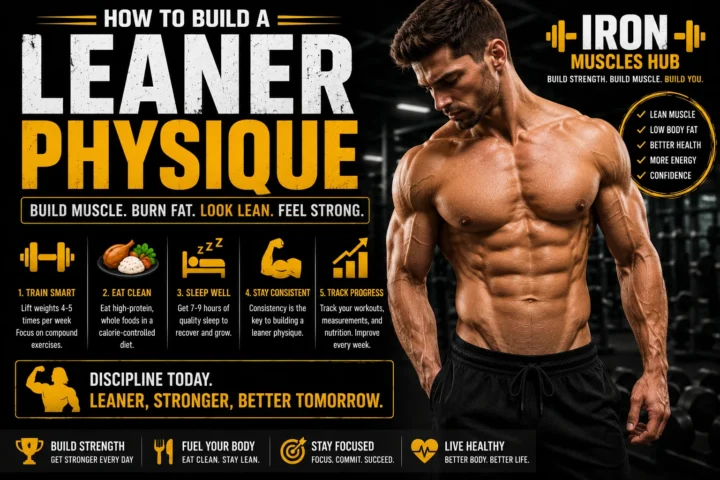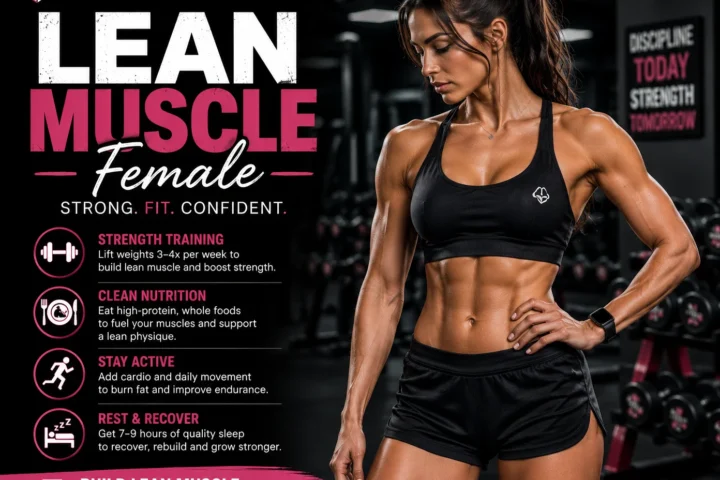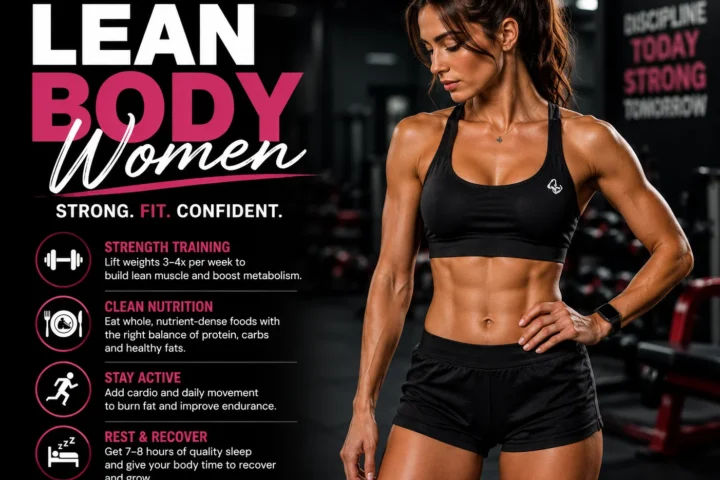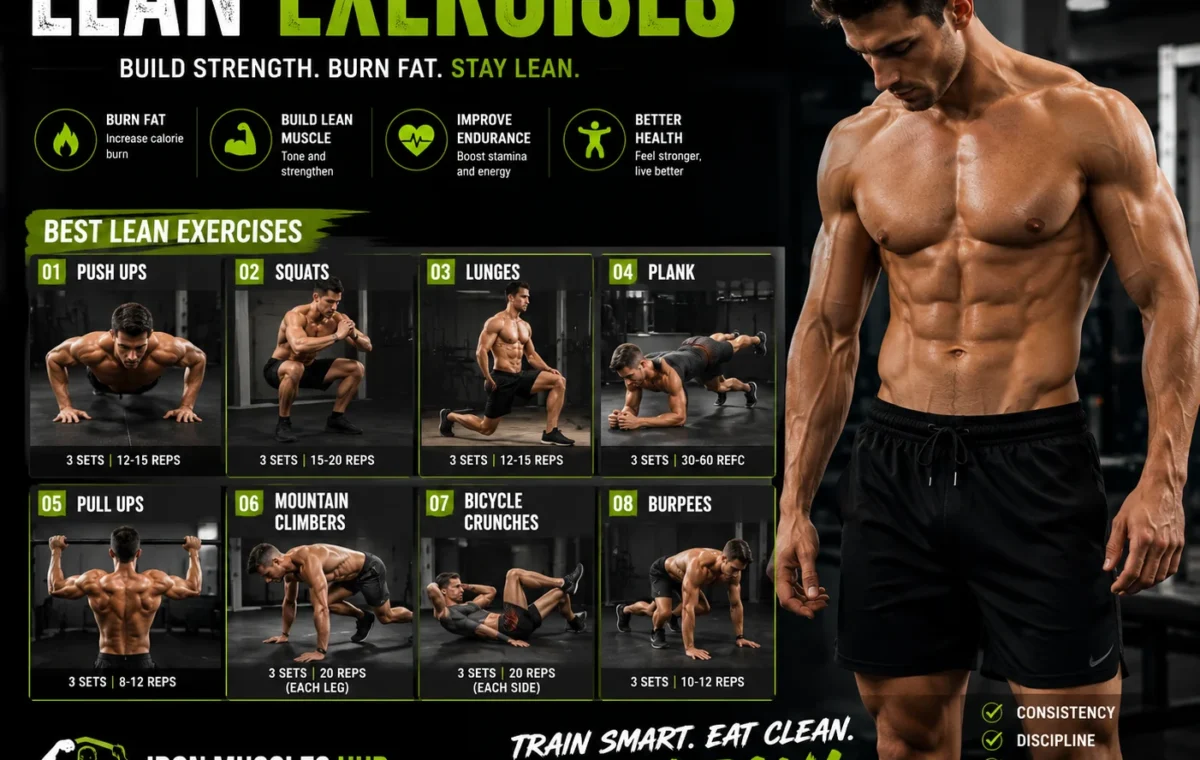
Many people think getting lean means spending hours on a treadmill. It doesn’t. The best lean exercises combine strength training, cardio, and healthy daily habits to help reduce body fat while maintaining or building muscle.
- Quick Answer
- 1. Squats
- 2. Push-Ups
- 3. Walking Lunges
- 4. Planks
- 5. Dumbbell Rows
- 6. Glute Bridges
- Which Should You Choose?
- 1. Doing Only Cardio
- 2. Skipping Recovery
- 3. Poor Nutrition
- 4. Ignoring Progressive Overload
- 5. Expecting Fast Results
- Best Foods for Building Lean Muscle
- Healthy Eating Tips
- What are the best lean exercises for beginners?
- Can I get lean without going to the gym?
- How many days a week should I exercise?
- How long does it take to get a lean body?
- Is cardio enough to get lean?
- Do I need equipment for lean exercises?
- Internal Link Ideas for IronMuscleHub.com
- External Resources
- Final Thoughts
If you’re a beginner, you don’t need expensive equipment or complicated workout programs. A simple routine performed consistently can produce noticeable results over time. This guide explains exactly which exercises to do, how often to train, and how to avoid the mistakes that slow progress. For more insight read here:- how to get a lean body and how long does it take to get lean.
Quick Answer
| Goal | Best Exercise Type |
|---|---|
| Burn body fat | Walking, jogging, cycling, HIIT |
| Build lean muscle | Squats, push-ups, rows, lunges |
| Improve fitness | Full-body strength workouts |
| Tone your body | Progressive resistance training |
| Beginners | 3 strength workouts + 2 cardio sessions weekly |
Key Takeaways
- Strength training is essential for building a lean body.
- Cardio helps burn calories but shouldn’t replace resistance exercise.
- Compound movements burn more calories than isolation exercises.
- Progressive overload is the secret to long-term results.
- Nutrition matters just as much as exercise.
Why Lean Exercises Work
A lean physique isn’t about becoming skinny. It’s about reducing body fat while preserving or increasing muscle mass.
When you perform resistance exercises, your muscles receive a signal to grow stronger. Cardio increases calorie expenditure and improves heart health. Together, they create the ideal environment for body recomposition.
The most effective lean workouts include:
- Compound strength exercises
- Moderate cardio
- Mobility work
- Recovery days
Instead of trying to burn hundreds of calories every workout, focus on building habits you can maintain for months.
Benefits of Lean Exercises
Regular lean workouts offer far more than appearance improvements.
Some of the biggest benefits include:
- Increased muscle definition
- Higher daily calorie burn
- Better posture
- Improved balance
- Greater strength
- Better cardiovascular health
- Improved energy levels
- Reduced risk of lifestyle diseases
Even beginners often notice improved energy and confidence within a few weeks of consistent training.
The Best Lean Exercises for Beginners
These exercises train multiple muscle groups simultaneously, making them ideal for burning calories and building lean muscle.
1. Squats
Squats strengthen:
- Quadriceps
- Glutes
- Hamstrings
- Core
How to perform:
- Stand shoulder-width apart.
- Push your hips backward.
- Bend your knees.
- Lower until your thighs are nearly parallel.
- Push through your heels to stand.
Recommended:
3 sets of 10–15 repetitions.
2. Push-Ups
Push-ups develop:
- Chest
- Shoulders
- Triceps
- Core
If standard push-ups feel difficult, start with incline or knee push-ups before progressing.
Aim for:
3 sets of 8–12 repetitions.
3. Walking Lunges
Walking lunges improve:
- Leg strength
- Stability
- Balance
- Glute development
Complete:
10–12 repetitions per leg.
4. Planks
Planks strengthen your entire core rather than just the abdominal muscles.
Hold:
20–60 seconds.
Repeat:
3 rounds.
5. Dumbbell Rows
Rows improve posture by strengthening the upper back.
Perform:
10–12 repetitions per arm.
Keep your back flat throughout the movement.
6. Glute Bridges
This beginner-friendly exercise targets:
- Glutes
- Hamstrings
- Lower back
Perform:
15 repetitions for threBest Cardio Exercises for Getting Lean
Strength training builds lean muscle, but cardio helps increase calorie expenditure and improves heart health. The best results come from combining both rather than relying on one type of exercise alone.
Here’s how different cardio options compare:
| Cardio Exercise | Calories Burned* | Beginner Friendly | Best For |
|---|---|---|---|
| Brisk Walking | Moderate | ✅ Yes | Fat loss, daily activity |
| Jogging | High | ✅ Yes | Endurance and calorie burn |
| Cycling | Moderate–High | ✅ Yes | Low-impact cardio |
| Swimming | High | ✅ Yes | Full-body conditioning |
| Jump Rope | Very High | Intermediate | Fast calorie burn |
| HIIT | Very High | Intermediate | Short, intense workouts |
*Calories burned vary depending on body weight, workout intensity, and duration.
A Simple Weekly Lean Workout Plan
Beginners don’t need to work out every day. A balanced schedule allows your muscles to recover while keeping you active.
| Day | Workout |
|---|---|
| Monday | Full-body strength workout |
| Tuesday | 30–40 minute brisk walk or cycling |
| Wednesday | Full-body strength workout |
| Thursday | Stretching, yoga, or light walking |
| Friday | Full-body strength workout |
| Saturday | HIIT or moderate cardio |
| Sunday | Complete rest or gentle walking |
This schedule trains every major muscle group while providing enough recovery time.
Sample Full-Body Lean Workout
Complete the following routine 3 times per week.
| Exercise | Sets | Reps |
|---|---|---|
| Squats | 3 | 12 |
| Push-Ups | 3 | 10 |
| Walking Lunges | 3 | 10 each leg |
| Dumbbell Rows | 3 | 12 |
| Glute Bridges | 3 | 15 |
| Plank | 3 | 30–60 sec |
Rest 60–90 seconds between sets.
As the exercises become easier, gradually increase the weight, repetitions, or sets. This gradual increase is called progressive overload, which is one of the most effective ways to build lean muscle over time.
HIIT vs. Steady-State Cardio
Many beginners wonder which type of cardio is better for getting lean.
| HIIT | Steady-State Cardio |
|---|---|
| Short workouts (15–25 min) | Longer workouts (30–60 min) |
| Higher intensity | Moderate intensity |
| Burns many calories quickly | Easier to recover from |
| Builds fitness rapidly | Great for beginners |
| Requires more recovery | Can be done more often |
Which Should You Choose?
If you’re new to exercise, start with steady-state cardio such as brisk walking or cycling. After building a solid fitness base, add 1–2 HIIT sessions per week if you enjoy higher-intensity workouts.
How Often Should You Exercise?
For most beginners, this weekly routine works well:
- Strength training: 3 days
- Cardio: 2–3 days
- Mobility or stretching: 2–3 days
- Rest: At least 1 full day each week
Consistency matters far more than training every day.
Common Mistakes That Slow Fat Loss
Avoid these common errors if your goal is a lean physique.
1. Doing Only Cardio
Hours on the treadmill won’t build muscle. Strength training should remain the foundation of your routine.
2. Skipping Recovery
Muscles grow and repair during rest. Overtraining can reduce performance and increase injury risk.
3. Poor Nutrition
Exercise alone cannot compensate for an unhealthy diet. Aim to eat enough protein, vegetables, whole grains, and healthy fats while avoiding excessive processed foods.
4. Ignoring Progressive Overload
If you always lift the same weights for the same repetitions, your body has little reason to adapt. Increase the challenge gradually over time.
5. Expecting Fast Results
Building a lean body takes patience. Small improvements each week add up over months of consistent effort.
Extra Tips for Faster Results
- Warm up for 5–10 minutes before every workout.
- Stay hydrated throughout the day.
- Aim for 7–9 hours of quality sleep each night.
- Focus on proper exercise form before increasing weight.
- Track your workouts so you can measure progress.
- Include protein in each meal to support muscle recovery.
- Stay active outside the gym by walking more and reducing long periods of sitting.
These habits, combined with regular lean exercises, can help you build strength, improve fitness, and work toward a leaner physique over time.
Nutrition Tips to Support Lean Exercises
Exercise is only one part of building a lean physique. Your nutrition plays a major role in reducing body fat while maintaining or increasing muscle mass.
Focus on eating mostly whole, nutrient-dense foods rather than following restrictive diets.
Best Foods for Building Lean Muscle
| Food | Why It Helps |
|---|---|
| Chicken breast | High-quality lean protein |
| Eggs | Rich in protein and vitamins |
| Greek yogurt | Protein and calcium |
| Salmon | Protein plus healthy omega-3 fats |
| Oats | Slow-digesting carbohydrates |
| Brown rice | Sustained energy |
| Sweet potatoes | Complex carbs and fiber |
| Beans & lentils | Plant protein and fiber |
| Leafy greens | Vitamins and minerals |
| Nuts & seeds | Healthy fats and nutrients |
Healthy Eating Tips
- Eat a source of protein with every meal.
- Include vegetables and fruit daily.
- Choose whole grains over refined carbohydrates.
- Drink plenty of water throughout the day.
- Limit sugary drinks and highly processed snacks.
- Don’t skip meals after workouts—your body needs nutrients to recover.
Tracking Your Progress
The scale doesn’t tell the whole story. As you build muscle and lose fat, your weight may change slowly even though your body looks different.
Track progress by:
- Taking monthly progress photos.
- Measuring your waist, hips, chest, arms, and thighs.
- Recording workout performance.
- Monitoring how your clothes fit.
- Noting improvements in strength and energy.
Small, consistent improvements are a better sign of progress than daily weight changes.
Frequently Asked Questions
What are the best lean exercises for beginners?
The best beginner-friendly lean exercises include squats, push-ups, lunges, planks, glute bridges, and dumbbell rows. Combine these with walking or cycling for a balanced routine that builds muscle and supports fat loss.
Can I get lean without going to the gym?
Yes. Bodyweight exercises such as push-ups, squats, lunges, planks, and mountain climbers can help you build strength at home. Adding regular walking or jogging makes your routine even more effective.
How many days a week should I exercise?
For most beginners, 3 days of strength training and 2–3 days of cardio each week is a practical starting point. Rest days are important because your muscles recover and grow during recovery.
How long does it take to get a lean body?
Everyone progresses differently depending on age, diet, activity level, sleep, and consistency. Many beginners notice improvements in strength and energy within a few weeks, while visible body composition changes often take several months of regular training and healthy eating.
Is cardio enough to get lean?
Cardio helps burn calories, but strength training is essential for building and maintaining muscle. Combining both with a balanced diet generally produces better long-term results than relying on cardio alone.
Do I need equipment for lean exercises?
No. Many effective lean exercises use only your body weight. As you become stronger, adding resistance bands or dumbbells can help you continue making progress.
Build a Leaner Body One Workout at a Time
Getting lean doesn’t require complicated workout plans or expensive gym equipment. The most effective approach is surprisingly simple: perform regular strength training, include a few cardio sessions each week, eat nutritious foods, and stay consistent.
Remember that lasting results come from building healthy habits rather than chasing quick fixes. Start with exercises you can perform correctly, increase the challenge gradually, and celebrate small improvements along the way. Over time, those small steps can lead to meaningful changes in your strength, fitness, and overall health.
Internal Link Ideas for IronMuscleHub.com
- How to Build Lean Muscle: A Complete Beginner’s Guide
- Best High-Protein Foods for Muscle Growth
- How to Lose Body Fat Without Losing Muscle
External Resources
For additional guidance on physical activity and strength training, visit:
- American Heart Association – Physical Activity Recommendations
- Centers for Disease Control and Prevention (CDC) – Benefits of Regular Physical Activity
Author: Emily Carter
Sources:
- American Heart Association (AHA)
- Centers for Disease Control and Prevention (CDC)
- American College of Sports Medicine (ACSM)
- World Health Organization (WHO)
Final Thoughts
Building a lean body isn’t about finding the perfect workout—it’s about staying consistent with the right habits. The best lean exercises combine strength training, cardio, mobility, and proper nutrition to help you reduce body fat while maintaining or building muscle. You don’t need fancy equipment or hours in the gym. A simple, well-structured routine followed week after week will deliver far better results than an intense plan you can’t stick to.
Start where you are, focus on proper form, and gradually increase the challenge as you get stronger. Pair your workouts with a balanced, protein-rich diet, quality sleep, and adequate recovery to support your progress. Remember that lasting fitness is built over months, not days. Stay patient, celebrate small improvements, and keep showing up. With consistency and the right approach, you’ll be well on your way to achieving a stronger, healthier, and leaner physique.