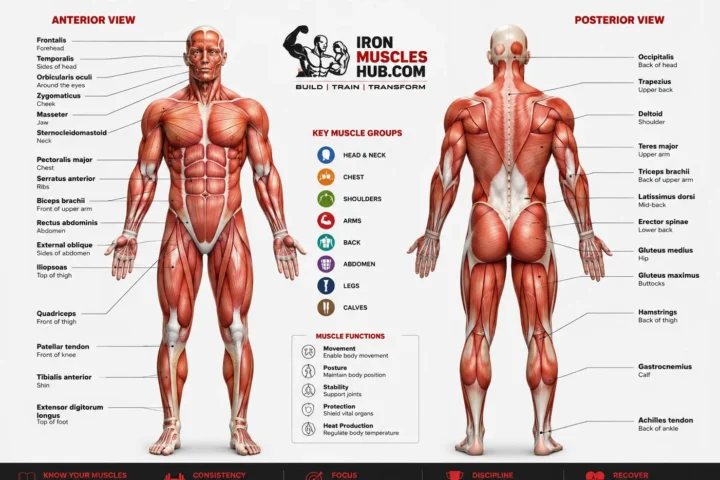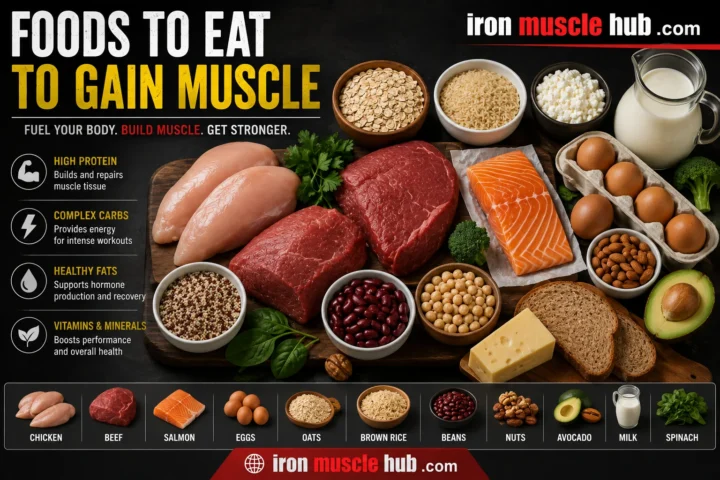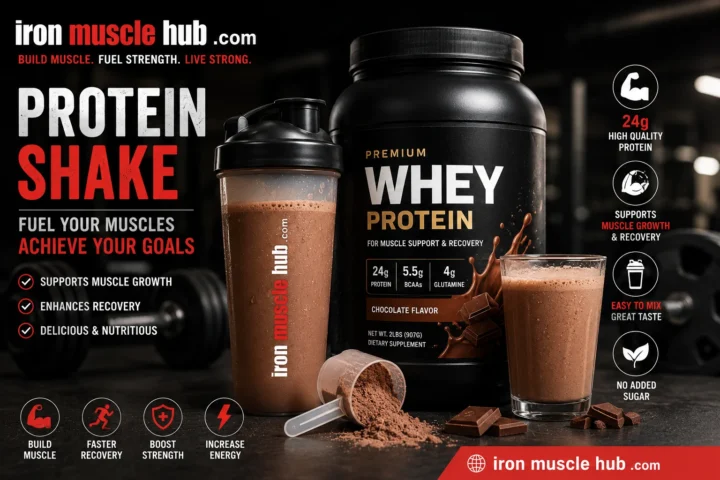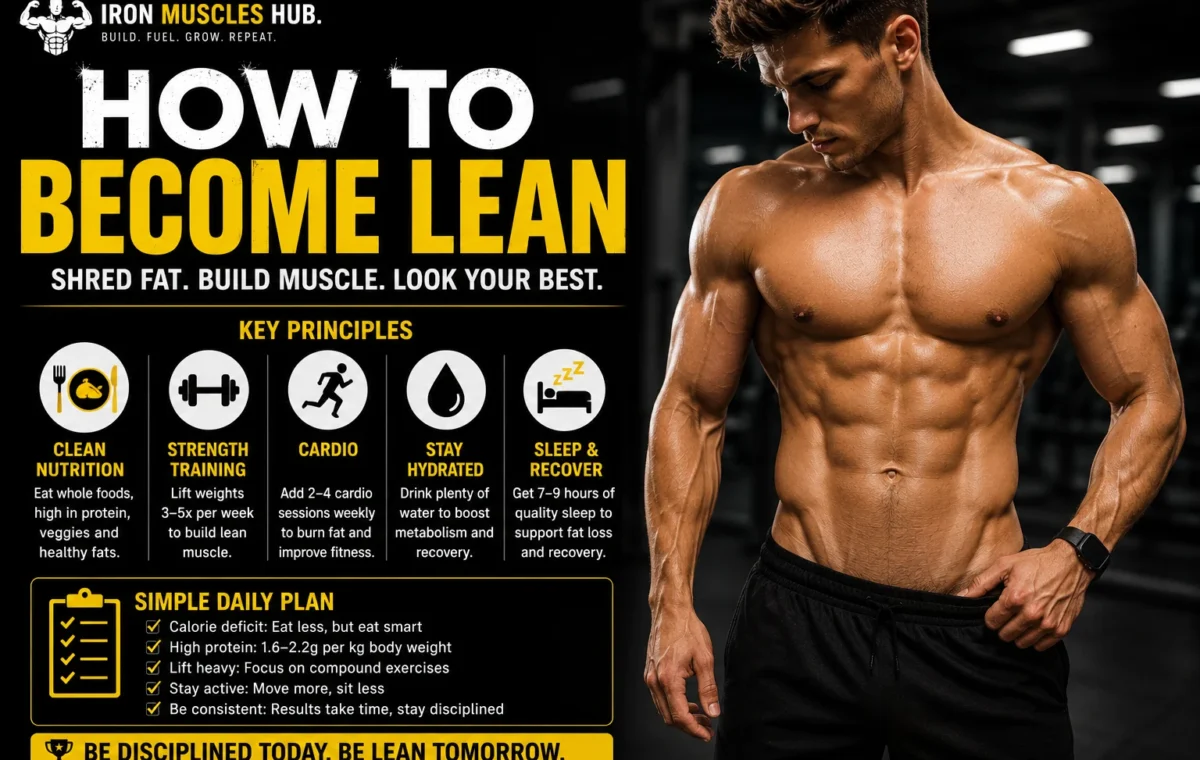
Learning how to become lean is not about starving yourself or spending endless hours doing cardio. A lean body comes from reducing excess body fat while maintaining or building muscle through proper nutrition, strength training, recovery, and consistency.
- Quick Answer: How to Become Lean
- Key Takeaways
- Eat in a Small Calorie Deficit
- High-Protein Foods
- Healthy Carbohydrates
- Healthy Fats
- Best Exercises for a Lean Physique
- Step 4: Add Cardio Without Losing Muscle
- Best Cardio Options for Getting Lean
- Beginner 4-Day Lean Muscle Workout Plan
- Upper Body Example Workout
- Lower Body Example Workout
- Mistake 1: Eating Too Little
- Mistake 2: Doing Only Cardio
- Mistake 3: Not Eating Enough Protein
- Mistake 4: Expecting Overnight Results
- 1. Progress Photos
- 2. Strength Tracking
- 3. Body Measurements
- 4. Daily Habits
- How long does it take to become lean?
- Can you become lean without lifting weights?
- What is the best diet to become lean?
- How much protein do I need to become lean?
- Is cardio or weight training better for getting lean?
- Can I become lean while building muscle?
- Prepare Your Meals Ahead of Time
- Focus on Progress, Not Perfection
- Build Habits That Last
The simple formula is this: eat the right amount of calories, consume enough protein, train your muscles regularly, stay active, and give your body enough time to change.
Many beginners chase quick fixes, but sustainable results come from building habits that you can follow for months and years. This guide explains the exact steps you need to follow to become lean, improve your body shape, and build a stronger physique. For more insights read here :- best way to gain muscle mass fast and how to become buff.
Quick Answer: How to Become Lean
| Goal | Best Approach |
|---|---|
| Reduce body fat | Create a small calorie deficit |
| Keep muscle | Perform strength training regularly |
| Build definition | Increase muscle while losing fat |
| Improve energy | Eat balanced meals and sleep well |
| Maintain results | Follow realistic habits long term |
Key Takeaways
- Becoming lean requires fat loss while protecting muscle.
- Strength training is more important than only doing cardio.
- Protein helps maintain muscle during fat loss.
- Small lifestyle changes create better results than extreme diets.
- Consistency matters more than perfection.
What Does It Mean to Become Lean?
When people search for how to become lean, they usually want a body that looks stronger, healthier, and more defined.
Being lean means having a lower level of body fat while maintaining a good amount of muscle. It does not mean becoming extremely thin.
A lean physique usually includes:
- Visible muscle shape
- Lower body fat levels
- Better strength
- Improved fitness
- More athletic appearance
Two people can weigh the same but look completely different because muscle and fat affect body shape differently.
Someone with more muscle and less fat may appear leaner even if their body weight is higher.
The Difference Between Losing Weight and Getting Lean
Many beginners focus only on the scale.
However, losing weight does not always mean becoming lean.
For example:
- Person A loses 10 pounds through extreme dieting but loses muscle.
- Person B loses 10 pounds while strength training and eating enough protein.
Person B is more likely to have a leaner appearance because they protected their muscle.
The goal should not simply be:
“How can I lose weight quickly?”
The better question is:
“How can I lose fat while keeping muscle?”
This approach is called body recomposition.
Step 1: Create the Right Nutrition Plan
The first step in understanding how to become lean is improving your diet.
Your body composition is heavily influenced by the food you eat. Exercise helps, but nutrition determines whether your body has the resources needed to lose fat and maintain muscle.
You do not need a complicated diet.
Focus on:
- Enough protein
- Quality carbohydrates
- Healthy fats
- Plenty of vegetables
- Proper hydration
Eat in a Small Calorie Deficit
To lose body fat, your body needs to burn more energy than you consume.
This is called a calorie deficit.
A small deficit is usually easier to maintain because it allows you to:
- Keep workout performance higher
- Control hunger better
- Protect muscle
- Stay consistent
Extreme calorie restriction often causes:
- Low energy
- Poor workouts
- Increased cravings
- Higher chances of quitting
A slower approach often creates better long-term results.
Best Foods for Becoming Lean
Your meals should mainly include whole, nutrient-rich foods.
High-Protein Foods
Protein supports muscle repair and helps you stay full.
Examples:
- Chicken breast
- Fish
- Eggs
- Turkey
- Lean beef
- Greek yogurt
- Cottage cheese
- Tofu
- Beans
- Lentils
Healthy Carbohydrates
Carbohydrates provide energy for training.
Good choices include:
- Oats
- Rice
- Potatoes
- Sweet potatoes
- Fruits
- Whole grains
- Vegetables
Healthy Fats
Healthy fats support overall health and hormone function.
Examples:
- Nuts
- Seeds
- Olive oil
- Avocado
- Peanut butter
Simple Lean Body Meal Example
| Meal | Example Food |
|---|---|
| Breakfast | Eggs, oats, fruit |
| Snack | Greek yogurt with berries |
| Lunch | Chicken, rice, vegetables |
| Snack | Protein shake and banana |
| Dinner | Fish, potatoes, salad |
This type of eating pattern provides protein, energy, and nutrients without requiring complicated meal plans.
Step 2: Increase Your Protein Intake
Protein is one of the most important parts of getting lean.
When you lose fat, your body can lose muscle if you do not provide enough protein and resistance training.
Protein helps:
- Repair muscles after workouts
- Maintain muscle during fat loss
- Improve fullness after meals
- Support recovery
Try to include a protein source in every main meal.
A simple example:
Instead of eating only cereal for breakfast, add eggs or Greek yogurt.
Instead of eating only rice at lunch, add chicken, fish, tofu, or beans.
Small changes can make a big difference.
Step 3: Build Muscle With Strength Training
If you want to know how to become lean, strength training should be a major part of your plan.
Weight training helps your body maintain muscle while losing fat.
A lean physique is created by having:
Less fat + more muscle = better definition
You do not need to spend hours in the gym.
A beginner can make excellent progress with consistent training three to four days per week.
Best Exercises for a Lean Physique
| Exercise | Muscles Worked |
|---|---|
| Squats | Legs and glutes |
| Deadlifts | Back and hamstrings |
| Bench Press | Chest and arms |
| Rows | Back muscles |
| Shoulder Press | Shoulders |
| Lunges | Legs |
| Pull-Ups | Back and biceps |
Focus on improving slowly.
Try to increase:
- Weight lifted
- Number of repetitions
- Exercise quality
Over time, these improvements help build a stronger and leaner body.
Step 4: Add Cardio Without Losing Muscle
Cardio can help you burn extra calories and improve your fitness, but it should support your strength training, not replace it.
Many beginners make the mistake of doing only cardio when trying to learn how to become lean. They spend hours running or using machines but ignore muscle-building workouts.
A better approach is combining:
- Strength training for muscle retention
- Cardio for additional calorie burning
- Daily movement for overall activity
This combination helps create a leaner body while maintaining strength.
Best Cardio Options for Getting Lean
You do not need extreme cardio sessions.
Choose activities you enjoy and can repeat consistently.
| Cardio Type | Benefits |
|---|---|
| Walking | Easy recovery and daily calorie burn |
| Cycling | Low-impact fitness improvement |
| Swimming | Full-body conditioning |
| Jogging | Improves endurance |
| Hiking | Builds fitness while staying active |
| Rowing | Works many muscle groups |
Walking is often underrated. Increasing your daily steps can support fat loss without creating too much stress on your body.
Step 5: Improve Your Sleep and Recovery
Many people focus only on workouts and food but ignore recovery.
Your body does not build muscle during your workout. It adapts during recovery.
Poor sleep can make it harder to:
- Perform well in training
- Control hunger
- Recover from exercise
- Maintain consistency
For better results:
- Keep a regular sleep schedule
- Reduce screen time before bed
- Create a comfortable sleeping environment
- Avoid intense exercise immediately before sleeping if it affects your rest
Quality recovery is an important part of learning how to become lean because your body needs time to repair and improve.
Step 6: Stay Hydrated
Water supports almost every process in your body, including exercise performance and recovery.
Dehydration can affect:
- Energy levels
- Workout performance
- Focus
- Physical endurance
Simple hydration habits:
- Drink water throughout the day
- Carry a reusable bottle
- Drink more around workouts
- Eat water-rich foods like fruits and vegetables
Your hydration needs depend on factors like activity level, climate, and individual body needs.
Step 7: Follow a Structured Lean Body Workout Plan
A good workout routine should be simple enough to follow and challenging enough to create progress.
Beginners often make two mistakes:
- Changing workouts every week
- Training too hard without proper recovery
A consistent routine usually works better.
Beginner 4-Day Lean Muscle Workout Plan
| Day | Workout Focus |
|---|---|
| Monday | Upper Body Strength |
| Tuesday | Lower Body Strength |
| Wednesday | Rest or Walking |
| Thursday | Upper Body Strength |
| Friday | Lower Body Strength |
| Saturday | Light Cardio or Sports |
| Sunday | Recovery |
Upper Body Example Workout
- Bench press
- Shoulder press
- Dumbbell rows
- Lat pulldowns
- Bicep curls
- Tricep exercises
Lower Body Example Workout
- Squats
- Romanian deadlifts
- Lunges
- Leg press
- Calf raises
- Core exercises
The goal is not to destroy yourself every session.
The goal is steady improvement.
Common Mistakes That Prevent You From Becoming Lean
Understanding what slows progress is just as important as knowing what to do.
Mistake 1: Eating Too Little
Some people believe starving themselves is the fastest way to get lean.
This often creates problems:
- Low energy
- Poor workouts
- Increased cravings
- Muscle loss
A balanced calorie deficit is usually more sustainable.
Mistake 2: Doing Only Cardio
Cardio burns calories, but it does not create the muscular shape most people want.
Strength training helps create:
- Better muscle definition
- Improved body shape
- Higher strength levels
A lean physique usually requires resistance training.
Mistake 3: Not Eating Enough Protein
A low-protein diet can make it harder to maintain muscle while losing fat.
Include protein sources throughout your day.
Simple examples:
- Add eggs to breakfast
- Include chicken or beans at lunch
- Add Greek yogurt as a snack
- Include fish or lean meat at dinner
Mistake 4: Expecting Overnight Results
Many people quit because they expect major changes within a few weeks.
Fat loss and muscle development take time.
A realistic approach focuses on:
- Weekly progress
- Better habits
- Improved strength
- Consistent nutrition
Small improvements repeated for months create noticeable changes.
Foods That Can Make Getting Lean More Difficult
No single food automatically prevents you from becoming lean.
However, regularly eating large amounts of highly processed foods can make it harder to control calories.
Common foods to limit:
- Sugary drinks
- Frequent fast food meals
- Excessive sweets
- Highly processed snacks
- Large portions of low-nutrient foods
You do not need to remove every enjoyable food.
A flexible approach is easier to maintain.
Foods That Support a Lean Physique
| Food Group | Examples |
|---|---|
| Protein | Chicken, fish, eggs, yogurt |
| Carbohydrates | Rice, oats, potatoes, fruits |
| Vegetables | Spinach, broccoli, carrots |
| Healthy Fats | Nuts, olive oil, avocado |
Building most of your meals around these foods makes staying lean much easier.
Realistic 12-Week Lean Body Roadmap
A clear plan helps beginners stay focused.
| Time Period | Main Focus |
|---|---|
| Weeks 1–4 | Build workout routine and improve eating habits |
| Weeks 5–8 | Increase training intensity and track progress |
| Weeks 9–12 | Improve consistency and adjust nutrition |
During this period, focus on measuring progress through:
- Strength improvements
- Photos
- Clothing fit
- Energy levels
- Body measurements
The scale is only one measurement.
How to Track Your Progress
Tracking helps you understand whether your plan is working.
Useful methods include:
1. Progress Photos
Take photos under similar conditions every few weeks.
2. Strength Tracking
Record your workouts.
Examples:
- Weight lifted
- Repetitions completed
- Exercise improvements
3. Body Measurements
Track areas such as:
- Waist
- Chest
- Arms
- Legs
4. Daily Habits
Monitor:
- Protein intake
- Workouts completed
- Sleep quality
- Steps taken
Simple Daily Routine for Becoming Lean
A beginner-friendly day may look like this:
Morning
- Drink water
- Eat a protein-based breakfast
- Walk or move regularly
Afternoon
- Balanced lunch
- Stay active
- Complete workout if scheduled
Evening
- Protein-rich dinner
- Prepare meals for the next day
- Get enough sleep
Simple routines are easier to maintain than extreme plans.
How long does it take to become lean?
The time required to become lean depends on your starting body composition, diet, workout routine, genetics, and consistency. Most people notice improvements in strength, energy, and body shape after several weeks of consistent effort. Sustainable fat loss usually happens gradually, so focus on building habits rather than expecting overnight changes.
Can you become lean without lifting weights?
You can lose weight without lifting weights, but building a lean and defined physique is much easier with strength training. Resistance exercises help maintain muscle while you lose fat. A combination of weight training, proper nutrition, and regular movement is generally a better approach for creating a lean body. Also explore :-muscle building tips over 08.
What is the best diet to become lean?
The best diet for becoming lean is one that creates a manageable calorie deficit while providing enough protein and nutrients. There is no single perfect diet for everyone. A balanced eating pattern with lean proteins, vegetables, fruits, whole grains, and healthy fats is easier to follow long term than extreme restrictions.
How much protein do I need to become lean?
Protein needs vary depending on factors such as body size, activity level, and goals. People who train regularly often benefit from prioritizing protein throughout the day because it supports muscle repair and recovery. A good starting point is including a quality protein source in every main meal.
Is cardio or weight training better for getting lean?
Both have benefits, but they serve different purposes.
Weight training helps you maintain and build muscle, while cardio helps improve fitness and increase calorie expenditure.
For most beginners trying to learn how to become lean, combining both methods works better than relying on only one.
Can I become lean while building muscle?
Yes, this is possible, especially for beginners who start strength training and improve their nutrition. This process is often called body recomposition. Your results depend on factors such as training experience, protein intake, calorie balance, sleep, and consistency.
Additional Tips to Make Your Lean Journey Easier
Prepare Your Meals Ahead of Time
Planning meals can remove many unnecessary decisions during busy days.
Simple preparation ideas:
- Cook protein sources in advance
- Prepare vegetables for quick meals
- Keep healthy snacks available
- Plan meals before shopping
When healthy choices are convenient, you are more likely to follow your plan.
Focus on Progress, Not Perfection
Many beginners quit because they believe one unhealthy meal ruins their progress.
It does not.
Your results come from what you do consistently over weeks and months.
A flexible approach allows you to enjoy social events, celebrations, and occasional treats while still working toward a lean body.
Build Habits That Last
The best plan is the one you can continue.
Long-term habits that support becoming lean include:
- Training regularly
- Eating enough protein
- Staying active daily
- Sleeping consistently
- Drinking enough water
- Managing stress
Small actions repeated regularly create meaningful changes.
Internal Link Ideas for Iron Muscles Hub
Add these related articles to improve user experience and SEO:
- How to Gain Muscle Fast: Beginner’s Guide to Building Strength
- Best Protein Foods for Muscle Growth and Fat Loss
- Beginner Workout Plan for Building Lean Muscle
These topics naturally support readers who want to continue learning about fitness and body transformation.
Final Thoughts: Building a Lean Body Takes Consistency
Learning how to become lean is not about following extreme diets or searching for a shortcut. The most reliable approach is creating a balance between nutrition, strength training, daily activity, and recovery.
Focus on losing fat slowly while protecting your muscle. Eat enough protein, train consistently, improve your lifestyle habits, and measure progress over time.
A lean physique is built through repeated daily choices, not a single perfect workout or meal. Start with simple changes you can maintain, and your body will gradually reflect your effort.