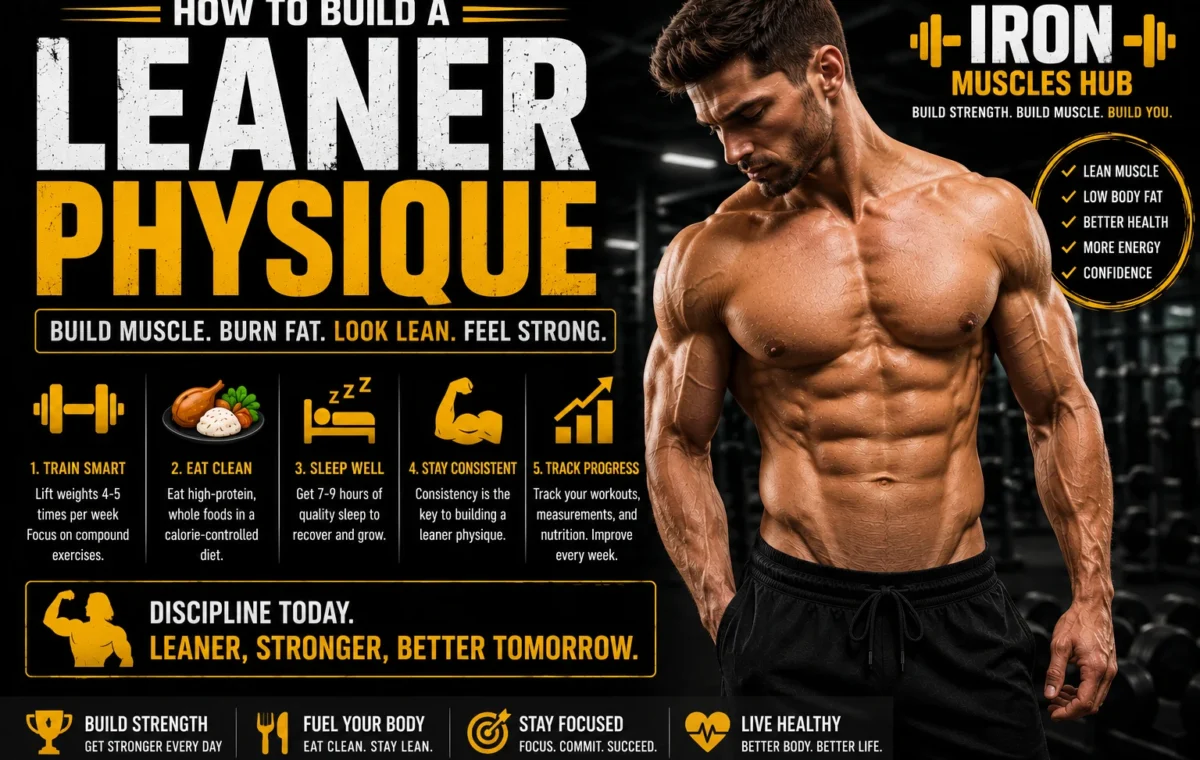
A leaner physique means reducing body fat while maintaining or building muscle so your body looks stronger, healthier, and more defined. Contrary to popular belief, getting lean isn’t about starving yourself or spending hours doing cardio. It’s about combining smart nutrition, consistent strength training, quality sleep, and patience.
- Quick Answer
- Nutrition
- Strength Training
- Recovery
- Prioritize Protein
- Eat More Whole Foods
- Don't Fear Carbohydrates
- Healthy Fats Matter Too
- Weekly Beginner Workout Plan
- 1. Eating Too Little
- 2. Avoiding Strength Training
- 3. Constantly Changing Programs
- 4. Ignoring Progressive Overload
- 5. Poor Sleep
- What Progress Might Look Like
- What is the fastest way to get a leaner physique?
- Can I build muscle and lose fat at the same time?
- How much cardio should I do for a leaner physique?
- Do I need to stop eating carbohydrates?
- Can I get a leaner physique without going to a gym?
- Are supplements necessary for getting lean?
- Related Articles for IronMusclesHub
Whether your goal is to improve your appearance, increase athletic performance, or simply feel healthier, this guide explains everything you need to know in practical, beginner-friendly language. For more insights read here:- how to get big and how to put muscle mass on fast.
Quick Answer
| Goal | What You Should Do |
|---|---|
| Lose Body Fat | Eat a moderate calorie deficit |
| Build Muscle | Lift weights 3–5 times weekly |
| Preserve Muscle | Eat enough protein daily |
| Improve Fitness | Add regular cardio sessions |
| Recover Properly | Sleep 7–9 hours every night |
| Stay Consistent | Follow your plan for several months |
Key Takeaways
- A leaner physique comes from lowering body fat—not simply losing weight.
- Strength training should be the foundation of your workout routine.
- Protein intake is essential for muscle maintenance.
- Small, consistent habits outperform crash diets.
- Recovery is just as important as exercise.
What Does a Leaner Physique Mean?
A leaner physique refers to having a lower percentage of body fat while maintaining enough muscle mass to create visible definition. Instead of focusing only on the number on the scale, the goal is improving your body composition.
Two people can weigh exactly the same but look completely different. Someone with more muscle and less fat will usually appear leaner, stronger, and healthier.
For beginners, a lean physique is less about achieving extremely low body fat and more about creating sustainable habits that improve overall health.
Why Most People Struggle to Get Lean
Many beginners work extremely hard but still fail to see noticeable changes because they focus on the wrong things.
Common mistakes include:
- Doing excessive cardio while avoiding weights
- Following extremely low-calorie diets
- Skipping meals
- Eating too little protein
- Constantly changing workout programs
- Expecting results within a few weeks
These habits often cause muscle loss, lower energy levels, and eventually weight regain.
A better strategy is to lose fat slowly while preserving muscle.
The Science Behind a Leaner Physique
Your body composition is influenced by three primary factors:
Nutrition
Food determines whether your body gains fat, loses fat, or builds muscle.
To lose body fat, you generally need a calorie deficit, meaning you consume slightly fewer calories than your body burns each day. However, creating an extremely large deficit increases the risk of muscle loss.
A moderate calorie deficit is usually easier to maintain and supports better long-term results.
Strength Training
Resistance training signals your body to keep or build muscle while you’re losing fat.
Exercises such as:
- Squats
- Deadlifts
- Bench Press
- Rows
- Pull-ups
- Shoulder Presses
work multiple muscle groups simultaneously, making them highly effective for body recomposition.
Recovery
Muscles don’t grow while you’re exercising.
They grow during recovery.
Poor sleep raises stress hormones, reduces workout performance, increases hunger, and slows recovery.
Aim for:
- 7–9 hours of sleep
- Adequate hydration
- Regular rest days
- Stress management
Nutrition for a Leaner Physique
Nutrition is responsible for much of your progress.
Instead of following trendy diets, focus on building balanced meals.
Prioritize Protein
Protein helps:
- Preserve muscle during fat loss
- Support recovery
- Increase fullness
- Promote muscle growth
Good protein sources include:
| Food | Benefits |
|---|---|
| Chicken breast | High protein, low fat |
| Turkey | Lean and filling |
| Eggs | Complete protein |
| Greek yogurt | High protein snack |
| Cottage cheese | Slow-digesting protein |
| Fish | Protein plus healthy fats |
| Lean beef | Protein and iron |
| Tofu | Excellent plant protein |
| Lentils | Protein and fiber |
| Protein shakes | Convenient option |
Eat More Whole Foods
Most meals should include:
- Lean protein
- Vegetables
- Fruit
- Whole grains
- Healthy fats
Whole foods are generally more filling and provide important vitamins, minerals, and fiber that support overall health.
Don’t Fear Carbohydrates
Carbohydrates fuel your workouts.
Choose quality sources like:
- Oats
- Rice
- Potatoes
- Sweet potatoes
- Whole-grain bread
- Beans
- Fruit
Rather than eliminating carbs, focus on portion control and overall calorie intake.
Healthy Fats Matter Too
Healthy fats support hormone production, brain function, and overall health.
Examples include:
- Avocados
- Olive oil
- Nuts
- Seeds
- Salmon
- Peanut butter (in moderation)
If your goal is a leaner physique, your workouts should prioritize strength training, supported by cardio and adequate recovery. You don’t need to spend hours in the gym every day. A consistent, well-balanced routine is far more effective than occasional intense workouts.
Weekly Beginner Workout Plan
| Day | Workout |
|---|---|
| Monday | Full-body strength training |
| Tuesday | 30–40 minutes brisk walking or cycling |
| Wednesday | Upper-body strength training |
| Thursday | Active recovery (walking, stretching, or yoga) |
| Friday | Lower-body strength training |
| Saturday | Cardio + core exercises |
| Sunday | Rest and recovery |
This schedule provides enough training volume to build muscle while allowing your body to recover.
Focus on Compound Exercises
Compound exercises work several muscle groups at the same time. They help you burn more calories, improve strength, and build muscle efficiently.
Some of the best exercises include:
- Squats
- Deadlifts
- Bench Press
- Push-ups
- Pull-ups or Assisted Pull-ups
- Bent-Over Rows
- Shoulder Press
- Walking Lunges
- Romanian Deadlifts
- Lat Pulldowns
If you’re new to lifting, begin with lighter weights and concentrate on proper technique before increasing the load.
How Many Sets and Reps?
A simple guideline for beginners:
| Goal | Sets | Repetitions |
|---|---|---|
| Build Muscle | 3–4 | 8–12 |
| Build Strength | 3–5 | 4–8 |
| Muscular Endurance | 2–3 | 12–15 |
Choose a weight that makes the last couple of repetitions challenging while still allowing good form.
Cardio: Helpful, Not the Main Event
Many people believe endless cardio is the fastest path to getting lean. Cardio can certainly help you burn additional calories and improve heart health, but it shouldn’t replace strength training if your goal is a lean, defined body. how to get bigger
Good cardio options include:
- Brisk walking
- Jogging
- Cycling
- Swimming
- Rowing
- Hiking
- Jump rope
Aim for 2–4 sessions per week, adjusting based on your fitness level and recovery.
What Is Body Recomposition?
Body recomposition means losing body fat while gaining or maintaining muscle at the same time.
This approach is especially common among:
- Beginners
- People returning after a long break
- Individuals carrying extra body fat
Instead of obsessing over the number on the scale, you’ll focus on improving body composition. You may notice your clothes fitting better and your body looking leaner even if your weight changes only slightly.
Eat Enough Protein
Protein supports muscle repair and helps preserve lean mass during fat loss.
Good protein choices include:
- Chicken
- Turkey
- Fish
- Eggs
- Greek yogurt
- Cottage cheese
- Lean beef
- Tofu
- Tempeh
- Lentils
- Beans
- Protein powder (when convenient)
Try to include a quality protein source with every main meal.
Stay Hydrated
Water supports nearly every process involved in exercise and recovery.
Proper hydration helps:
- Maintain workout performance
- Improve recovery
- Support digestion
- Reduce fatigue
- Regulate body temperature
A simple habit is to drink water consistently throughout the day and a little extra around workouts.
Recovery Is Part of the Plan
Training breaks your muscles down. Recovery is when your body adapts and becomes stronger.
Make recovery a priority by:
- Sleeping 7–9 hours each night
- Taking at least one or two rest days each week
- Managing stress where possible
- Eating balanced meals after workouts
- Staying hydrated
Ignoring recovery often leads to slower progress and a higher risk of injury.
Common Mistakes That Slow Progress
Many people unknowingly make choices that limit their results.
1. Eating Too Little
Severely restricting calories can reduce energy, increase hunger, and make it harder to maintain muscle.
2. Avoiding Strength Training
Only doing cardio may lead to weight loss, but it doesn’t maximize muscle retention or body definition.
3. Constantly Changing Programs
Switching routines every week makes it difficult to track progress. Stick with a program long enough to improve.
4. Ignoring Progressive Overload
To keep building muscle, gradually increase the challenge over time. This might mean adding weight, performing more repetitions, or improving exercise technique.
5. Poor Sleep
Lack of sleep affects recovery, workout performance, and appetite regulation. Consistent sleep habits are just as important as training.
Do You Need Supplements?
Supplements can be convenient, but they should complement—not replace—a nutritious diet.
| Supplement | Helpful? | Notes |
|---|---|---|
| Whey Protein | Yes | Convenient way to increase protein intake |
| Creatine Monohydrate | Yes | One of the most researched performance supplements |
| Vitamin D | Sometimes | May be useful if you’re deficient |
| Fish Oil | Sometimes | Helpful if you don’t regularly eat oily fish |
| Multivitamin | Optional | Can help fill dietary gaps but isn’t a substitute for balanced eating |
| Fat Burners | No | Often expensive and unlikely to produce meaningful results on their own |
Focus on nutrition, training, and sleep before considering supplements.
Sample One-Day Meal Plan
| Meal | Example |
|---|---|
| Breakfast | Oatmeal with berries and Greek yogurt |
| Morning Snack | Apple and a handful of almonds |
| Lunch | Grilled chicken, brown rice, and mixed vegetables |
| Afternoon Snack | Cottage cheese with fruit |
| Dinner | Baked salmon, sweet potato, and broccoli |
| Evening Snack | Protein smoothie or plain Greek yogurt |
This type of eating pattern provides protein, fiber, and nutrient-rich foods that support a leaner physique while helping you stay satisfied.
One of the most common questions beginners ask is, “How long before I see results?”
The answer depends on factors such as your starting body composition, diet, training consistency, sleep, stress levels, and genetics. Most people who follow a balanced nutrition plan and strength-training routine consistently begin noticing small changes within 4–8 weeks. More significant body composition improvements often become visible after 3–6 months.
Remember that building a leaner physique isn’t about finding the fastest method. It’s about creating habits you can maintain for years rather than weeks.
What Progress Might Look Like
| Time | Typical Changes |
|---|---|
| Weeks 1–2 | Improved energy, better workout performance |
| Weeks 3–4 | Clothes may fit more comfortably, reduced bloating |
| Weeks 5–8 | Increased strength and early muscle definition |
| Months 3–6 | Noticeable fat loss and improved muscle tone |
| 6+ Months | Sustainable lean physique with consistent habits |
Progress won’t always be perfectly linear. Some weeks the scale may not move, yet your body measurements, strength, or appearance continue improving.
Tips to Maintain a Leaner Physique
Getting lean is one achievement. Staying lean requires healthy routines you can realistically follow.
Here are a few habits that make long-term success easier:
- Continue lifting weights regularly.
- Prioritize protein at every meal.
- Stay physically active outside the gym.
- Choose mostly whole, minimally processed foods.
- Allow yourself occasional treats without guilt.
- Avoid “all-or-nothing” thinking.
- Reassess your goals every few months.
- Stay patient and focus on consistency over perfection.
These habits help prevent the cycle of rapid weight loss followed by weight regain.
Frequently Asked Questions
What is the fastest way to get a leaner physique?
The fastest sustainable approach is combining a moderate calorie deficit with regular strength training, enough protein, and adequate sleep. Crash diets may produce quick weight loss, but they often increase the risk of losing muscle and regaining weight later.
Can I build muscle and lose fat at the same time?
Yes. This process is called body recomposition. Beginners, people returning after a training break, and individuals with higher body fat levels are often able to gain muscle while reducing body fat through consistent resistance training and balanced nutrition.
How much cardio should I do for a leaner physique?
For most beginners, 2–4 cardio sessions each week alongside strength training is enough. Walking, cycling, swimming, or jogging can all support fat loss while improving heart health.
Do I need to stop eating carbohydrates?
No. Carbohydrates provide energy for training and daily activities. Rather than eliminating them, choose nutritious sources like oats, potatoes, rice, fruit, beans, and whole grains while keeping your overall calorie intake appropriate for your goal.
Can I get a leaner physique without going to a gym?
Absolutely. Home workouts using bodyweight exercises, resistance bands, or adjustable dumbbells can help build muscle when paired with good nutrition and progressive overload. Consistency matters far more than where you train.
Are supplements necessary for getting lean?
No. Most progress comes from quality nutrition, regular exercise, recovery, and consistency. Supplements like whey protein or creatine may be convenient for some people, but they are optional and should never replace healthy eating habits.
Common Myths About Getting Lean
Many myths make fat loss seem more complicated than it really is. Here are a few worth ignoring:
| Myth | Reality |
|---|---|
| You must do hours of cardio every day. | Strength training plus moderate cardio is usually more effective. |
| Carbohydrates always make you gain fat. | Overall calorie balance matters more than one nutrient alone. |
| You have to train every day. | Rest and recovery are essential for muscle growth. |
| Fat burners melt away body fat. | No supplement replaces consistent nutrition and exercise. |
| The scale tells the whole story. | Progress photos, measurements, and strength gains provide a more complete picture. |
Simple Checklist for a Leaner Physique
Use this checklist to stay on track:
- ✔ Lift weights 3–5 times per week
- ✔ Include protein with every meal
- ✔ Eat mostly whole, nutrient-dense foods
- ✔ Stay hydrated throughout the day
- ✔ Perform cardio 2–4 times weekly
- ✔ Sleep 7–9 hours every night
- ✔ Track progress with photos and measurements
- ✔ Be consistent for several months
Following these habits consistently will produce better results than searching for shortcuts.
Your Next Step Toward a Leaner Physique
Building a leaner physique doesn’t require extreme diets, endless cardio sessions, or expensive supplements. The most reliable approach is surprisingly simple: eat nutritious foods, train with purpose, recover well, and stay consistent over time.
Some weeks will feel easier than others, and progress may occasionally slow down. That’s completely normal. Focus on building habits you can maintain rather than chasing rapid results. As your strength improves and your body composition changes, you’ll likely notice benefits beyond appearance, including more energy, better confidence, and improved overall health.
Stick with the basics, trust the process, and remember that lasting results come from steady effort—not perfection.
Related Articles for IronMusclesHub
- How to Build Lean Muscle Without Bulking
- Best High-Protein Foods for Muscle Growth
- Beginner Full-Body Workout Plan
- Body Recomposition Explained
- How Much Protein Do You Really Need?