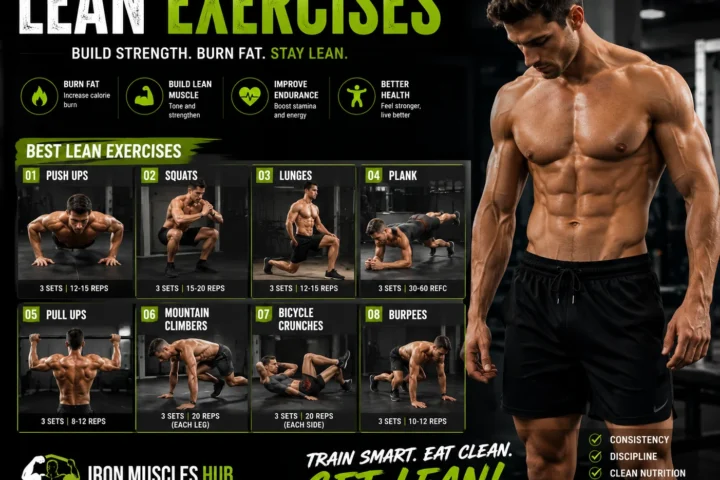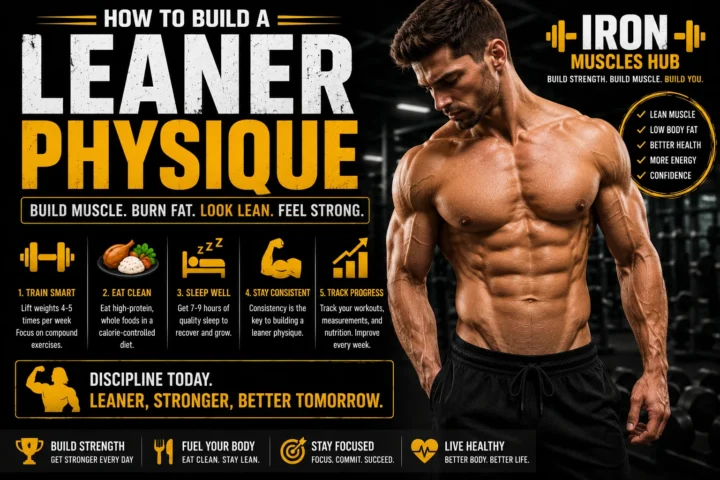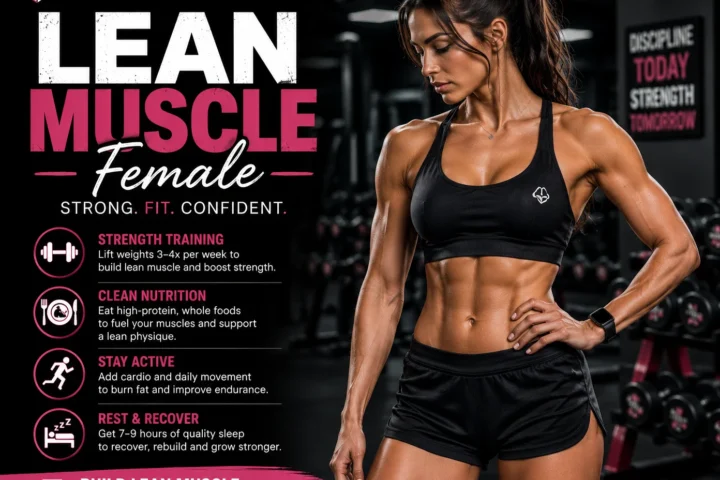
Building a lean muscle physique means increasing muscle size while keeping body fat relatively low. Instead of simply gaining weight, the goal is to become stronger, more athletic, and more defined without unnecessary fat gain.
- Quick Answer
- What Is a Lean Muscle Physique?
- Increased Strength
- Faster Metabolism
- Better Body Shape
- Improved Bone Health
- Better Long-Term Health
- 1. Progressive Strength Training
- 2. Proper Nutrition
- 3. Recovery
- 4. Consistency
- Monday – Upper Body
- Tuesday – Lower Body
- Wednesday
- Thursday
- Friday
- Weekend
- Common Beginner Mistakes
- The Three Macronutrients Explained
- Breakfast
- Morning Snack
- Lunch
- Afternoon Snack
- Dinner
- Evening Snack
- Whey Protein
- Creatine Monohydrate
- Caffeine
- 1. Track Your Workouts
- 2. Master Exercise Technique
- 3. Stay Consistent
- 4. Don't Fear Rest Days
- 5. Focus on Long-Term Progress
- Weeks 1–4
- Weeks 5–8
- Weeks 9–12
- Can beginners build a lean muscle physique?
- How long does it take to look lean and muscular?
- Should I lose fat before building muscle?
- Is cardio bad for muscle growth?
- What's the best workout for lean muscle?
- Do I need supplements to build muscle?
If you’re just starting your fitness journey, the process may seem confusing. Some people tell you to eat everything in sight, while others recommend endless cardio. The truth is much simpler. A lean, muscular body comes from combining smart strength training, enough protein, proper recovery, and consistent eating habits over time. For more insights read here :- how to build muscle quickly for skinny guys.
Quick Answer
| Goal | Best Approach |
|---|---|
| Build Lean Muscle | Progressive strength training 3–5 days weekly |
| Protein Intake | Eat protein with every meal |
| Calories | Small calorie surplus for muscle gain |
| Cardio | 2–3 moderate sessions weekly |
| Sleep | 7–9 hours every night |
| Timeline | Visible progress usually takes several months of consistency |
What Is a Lean Muscle Physique?
A lean muscle physique refers to having:
- Well-developed muscles
- Low to moderate body fat
- Visible muscle definition
- Good overall strength
- Athletic appearance
Unlike bodybuilding-focused bulking, lean muscle development emphasizes quality muscle gain while minimizing fat accumulation.
The result is a body that’s both functional and aesthetically pleasing.
Why Build Lean Muscle?
Building lean muscle offers benefits beyond appearance.
Increased Strength
Everyday activities become easier. Lifting groceries, climbing stairs, and playing sports all improve as muscle develops.
Faster Metabolism
Muscle tissue requires more energy than fat tissue. Although the difference isn’t huge, having more muscle helps your body burn slightly more calories throughout the day.
Better Body Shape
Lean muscle improves posture and creates a more defined physique without needing extreme dieting.
Improved Bone Health
Resistance training strengthens both muscles and bones, lowering the risk of future injuries.
Better Long-Term Health
Regular strength training is associated with improved mobility, healthier aging, and better overall physical function.
The Four Pillars of Building a Lean Muscle Physique
Many beginners focus only on lifting weights.
In reality, muscle growth depends on four key areas working together.
1. Progressive Strength Training
Your muscles grow when they’re challenged.
Each week, aim to gradually increase one of the following:
- Weight
- Repetitions
- Sets
- Exercise difficulty
This gradual increase is called progressive overload, and it’s one of the most important principles in muscle building.
2. Proper Nutrition
Muscles need fuel to grow.
A balanced diet should include:
- Lean protein
- Complex carbohydrates
- Healthy fats
- Fruits
- Vegetables
- Plenty of water
Skipping meals or eating very little makes muscle growth much harder.
3. Recovery
Muscles don’t grow during workouts.
They grow while recovering afterward.
Recovery includes:
- Sleep
- Rest days
- Hydration
- Stress management
Training hard every day without recovery usually slows progress.
4. Consistency
The biggest difference between successful and unsuccessful beginners isn’t genetics.
It’s consistency.
Following a good plan for months always beats following a perfect plan for only two weeks.
Best Exercises for Lean Muscle Growth
Compound exercises work multiple muscles at once and should form the foundation of your workouts.
| Exercise | Primary Muscles |
|---|---|
| Squat | Legs, Glutes |
| Deadlift | Full Body |
| Bench Press | Chest, Shoulders, Triceps |
| Pull-Up | Back, Biceps |
| Overhead Press | Shoulders |
| Barbell Row | Upper Back |
| Romanian Deadlift | Hamstrings |
| Walking Lunges | Legs |
These exercises allow you to lift heavier weights and stimulate more muscle growth compared to isolation movements alone.
Sample Beginner Workout
Monday – Upper Body
- Bench Press
- Dumbbell Row
- Shoulder Press
- Lat Pulldown
- Biceps Curl
- Triceps Pushdown
Tuesday – Lower Body
- Squats
- Romanian Deadlift
- Walking Lunges
- Leg Press
- Calf Raises
Wednesday
Active recovery or walking.
Thursday
Repeat Upper Body
Friday
Repeat Lower Body
Weekend
Rest, stretching, or light cardio.
Common Beginner Mistakes
Many people work hard but still struggle to build a lean muscle physique because of avoidable mistakes.
Some of the most common include:
- Changing workout programs every week.
- Skipping protein-rich meals.
- Not tracking workout progress.
- Doing excessive cardio.
- Sleeping less than seven hours.
- Expecting results after only a few weeks.
Avoiding these mistakes can save months of frustration.
The Best Nutrition Plan for a Lean Muscle Physique
You can’t out-train a poor diet. Even the best workout program won’t deliver noticeable muscle growth if your nutrition isn’t supporting recovery.
The goal is simple:
- Eat enough calories to support muscle growth.
- Prioritize protein at every meal.
- Choose mostly whole, minimally processed foods.
- Stay consistent rather than aiming for perfection.
Instead of following extreme diets, focus on habits you can maintain for months.
The Three Macronutrients Explained
Every meal contains three major nutrients that affect muscle growth differently.
| Macronutrient | Why It Matters | Good Food Sources |
|---|---|---|
| Protein | Repairs and builds muscle tissue | Chicken, turkey, fish, eggs, Greek yogurt, lean beef, tofu, cottage cheese |
| Carbohydrates | Provide energy for workouts and recovery | Rice, potatoes, oats, whole grains, fruit, vegetables |
| Healthy Fats | Support hormones and overall health | Nuts, seeds, avocado, olive oil, salmon |
Rather than cutting carbs or fats, aim for a balanced intake that fuels your training and recovery.
High-Protein Foods for Muscle Growth
Protein is the most important nutrient when trying to build lean muscle.
Excellent choices include:
- Chicken breast
- Turkey
- Lean beef
- Salmon
- Tuna
- Eggs
- Greek yogurt
- Cottage cheese
- Low-fat milk
- Tofu
- Tempeh
- Lentils
- Beans
- Whey protein (if needed)
Try to include a quality protein source with every meal and snack.
Example One-Day Meal Plan
This sample plan gives beginners an idea of how to structure meals throughout the day.
Breakfast
- Oatmeal
- Greek yogurt
- Blueberries
- Almonds
Morning Snack
- Protein shake
- Banana
Lunch
- Grilled chicken breast
- Brown rice
- Broccoli
- Mixed vegetables
Afternoon Snack
- Cottage cheese
- Apple
Dinner
- Baked salmon
- Sweet potato
- Green beans
- Side salad
Evening Snack
- Greek yogurt
- Mixed berries
This approach provides steady energy while supplying your muscles with protein throughout the day.
Hydration Matters More Than You Think
Water supports nearly every process involved in training and recovery.
Being even mildly dehydrated can affect:
- Workout performance
- Muscle recovery
- Energy levels
- Focus
- Overall health
Simple hydration habits include:
- Drink water throughout the day.
- Carry a reusable bottle.
- Drink extra fluids around workouts.
- Increase intake during hot weather.
What Is Body Recomposition?
Many beginners believe they must choose between:
- Losing fat
- Building muscle
In reality, many new lifters can often improve both at the same time through a process known as body recomposition.
Body recomposition focuses on:
- Building muscle gradually.
- Losing excess body fat.
- Improving body composition instead of simply watching the scale.
Because muscle is denser than fat, your weight may stay similar while your body looks noticeably leaner.
How Long Does It Take to Build a Lean Muscle Physique?
One of the biggest mistakes beginners make is expecting dramatic changes within a month.
Muscle growth is gradual. also explore :- how do you get lean.
A realistic timeline looks something like this:
| Time | What You May Notice |
|---|---|
| 2–4 Weeks | Improved strength and workout confidence |
| 1–3 Months | Better muscle tone and endurance |
| 3–6 Months | Visible muscle definition and improved body shape |
| 6–12 Months | Significant lean muscle gains with consistent training |
Remember, everyone progresses at a different pace depending on training history, genetics, nutrition, recovery, and consistency.
Should You Do Cardio?
Absolutely.
Cardio supports heart health and overall fitness without preventing muscle growth when done in moderation.
Good options include:
- Brisk walking
- Cycling
- Swimming
- Rowing
- Light jogging
Aim for 2–3 sessions per week while keeping strength training as your primary focus.
The Importance of Sleep
Many people underestimate sleep.
During deep sleep, your body performs much of its recovery work.
Poor sleep can reduce:
- Workout performance
- Recovery quality
- Energy
- Motivation
- Muscle-building progress
Aim for 7–9 hours of quality sleep each night whenever possible.
Do You Need Supplements?
Supplements can be helpful, but they should never replace a nutritious diet.
Some commonly used options include:
Whey Protein
A convenient way to increase daily protein intake when whole foods aren’t enough.
Creatine Monohydrate
One of the most researched sports supplements. It may support strength and high-intensity exercise performance when combined with resistance training.
Caffeine
Can improve workout focus and energy when used responsibly.
Remember that supplements work best alongside consistent training, balanced nutrition, and good sleep.
How to Track Your Progress
Avoid relying only on the bathroom scale.
Instead, monitor several indicators:
- Progress photos
- Waist measurements
- Body measurements
- Strength improvements
- Workout log
- How your clothes fit
- Energy levels
Tracking multiple signs of progress gives a much clearer picture of your results.
Healthy Habits That Support Muscle Growth
Small daily habits add up over time.
Focus on:
- Preparing meals in advance.
- Following a structured workout plan.
- Staying active outside the gym.
- Managing stress.
- Limiting alcohol.
- Eating enough vegetables and fruit.
- Staying hydrated.
- Remaining patient.
These habits often make a bigger difference than chasing the latest fitness trend.
Advanced Tips for Building a Lean Muscle Physique
Once you’ve been training consistently for several months, these habits can help you continue making progress.
1. Track Your Workouts
Don’t rely on memory. Record every workout, including:
- Exercises
- Sets
- Repetitions
- Weight used
A workout log makes it easier to apply progressive overload and spot improvements over time.
2. Master Exercise Technique
Good form is more important than lifting the heaviest weight.
Proper technique helps:
- Target the correct muscles
- Reduce injury risk
- Improve long-term progress
If you’re unsure about an exercise, start with lighter weights until your movement feels controlled and consistent.
3. Stay Consistent
Many beginners quit just before they begin seeing noticeable changes.
Instead of chasing a new workout every week, stick with a well-structured plan for at least 8–12 weeks before making major adjustments.
4. Don’t Fear Rest Days
Muscles grow while you recover—not while you’re lifting.
Include at least 1–2 rest days each week. Light walking, stretching, or mobility work can help you recover without interfering with muscle growth.
5. Focus on Long-Term Progress
Fitness is a long-term journey. Aim to become slightly stronger, more skilled, or more consistent each week rather than expecting overnight transformation.
Common Mistakes That Slow Muscle Growth
Avoid these frequent beginner errors:
| Mistake | Better Approach |
|---|---|
| Skipping meals | Eat balanced meals consistently |
| Changing programs every week | Follow one program for several weeks |
| Lifting with poor form | Learn technique before adding weight |
| Too much cardio | Balance cardio with strength training |
| Ignoring recovery | Prioritize sleep and rest |
| Comparing yourself to others | Measure your own progress |
A Simple 90-Day Lean Muscle Action Plan
If you’re just getting started, follow this roadmap:
Weeks 1–4
- Learn proper exercise form.
- Train 3–4 times per week.
- Build the habit of eating balanced meals.
- Track your workouts.
Weeks 5–8
- Increase weights gradually when exercises become easier.
- Continue eating enough protein.
- Add light cardio if needed.
- Take progress photos.
Weeks 9–12
- Review your progress.
- Adjust training if necessary.
- Stay consistent with sleep and recovery.
- Celebrate strength improvements, even if the scale changes slowly.
Frequently Asked Questions
Can beginners build a lean muscle physique?
Yes. Beginners often make steady progress because their bodies respond well to regular resistance training, balanced nutrition, and proper recovery. Staying consistent matters more than finding the “perfect” program.
How long does it take to look lean and muscular?
Most people notice strength improvements within a few weeks, while visible muscle definition typically takes several months of consistent training, nutrition, and recovery. The exact timeline depends on factors such as starting point, genetics, and body-fat level.
Should I lose fat before building muscle?
It depends on your current body composition. Some people benefit from reducing body fat first, while many beginners can improve muscle and body composition at the same time through body recomposition.
Is cardio bad for muscle growth?
No. Moderate cardio supports heart health and overall fitness. The key is not letting excessive cardio interfere with your strength training or recovery.
What’s the best workout for lean muscle?
A program centered on compound exercises—such as squats, bench presses, rows, deadlifts, and overhead presses—combined with progressive overload and adequate recovery is an excellent starting point for most beginners.
Do I need supplements to build muscle?
No. Most muscle-building progress comes from consistent training, eating enough protein, balanced meals, and quality sleep. Supplements can be convenient, but they should complement—not replace—a nutritious diet.
Final Thoughts
Building a lean muscle physique isn’t about quick fixes or extreme diets. It’s about following a realistic plan you can maintain over time.
Prioritize strength training, eat balanced meals with enough protein, recover well, and stay patient. Small improvements each week add up to significant changes over months.
Remember that everyone’s fitness journey is different. Focus on becoming stronger, healthier, and more consistent rather than comparing yourself to others. If you stick with the fundamentals, you’ll build a lean, athletic physique that supports both your appearance and your long-term health.