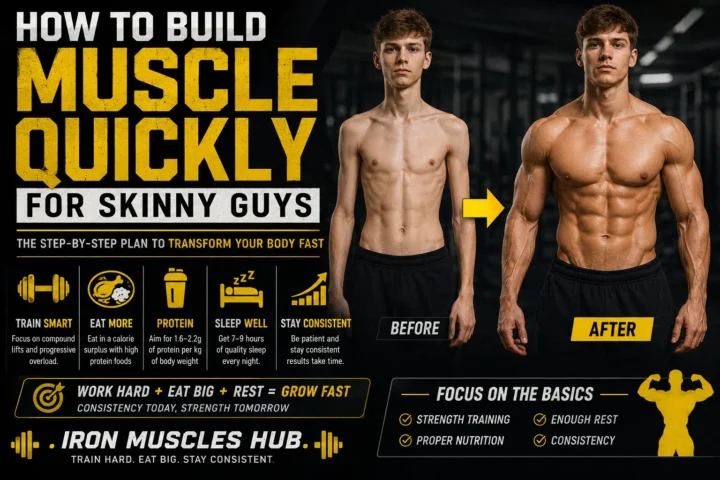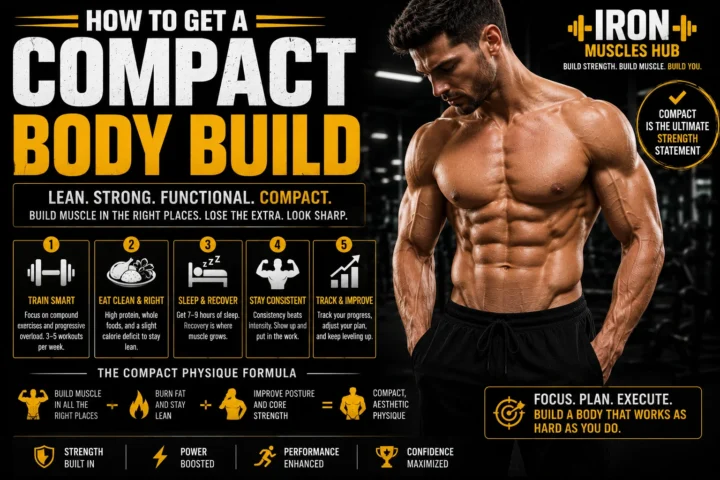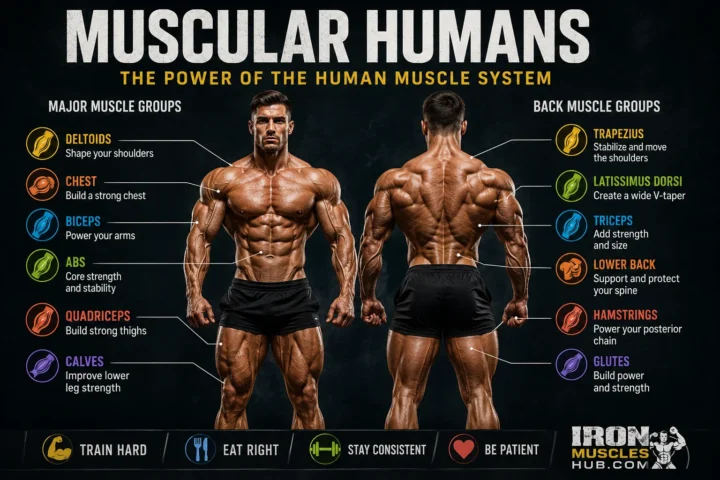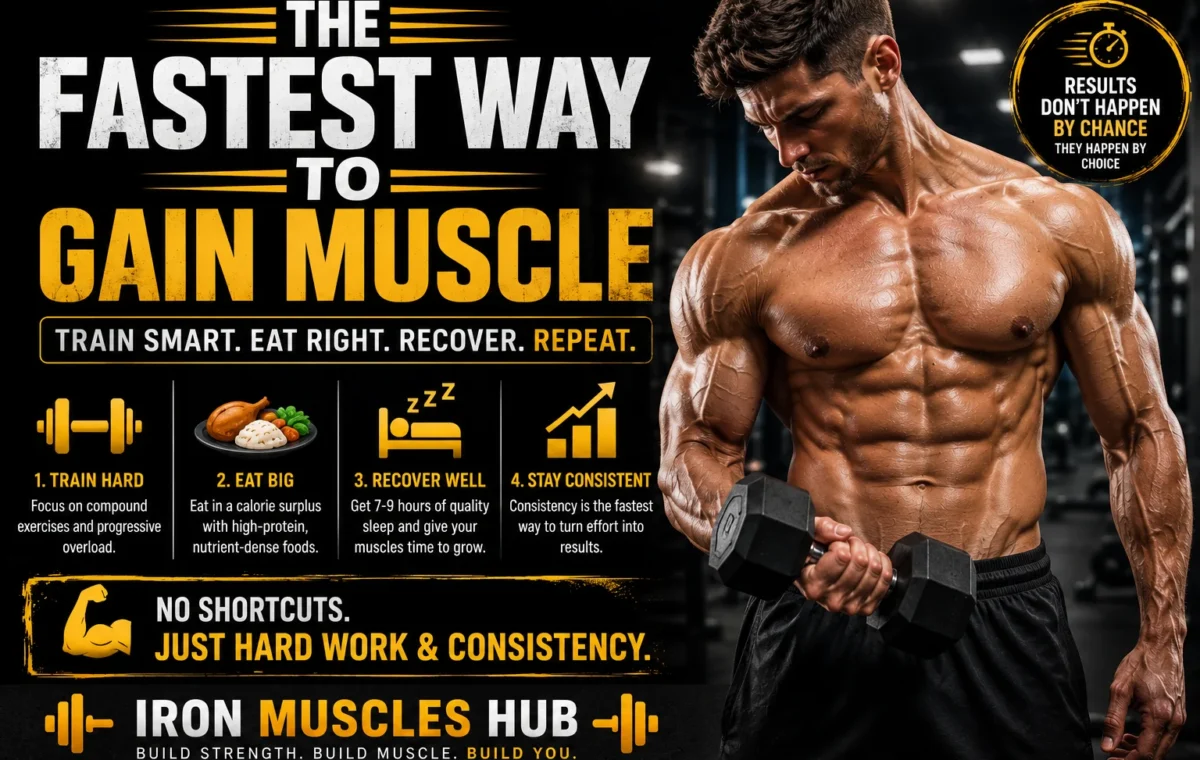
The fastest way to gain muscle is to combine progressive strength training, a nutritious diet rich in protein, quality sleep, and consistent effort. While there are no shortcuts that can replace hard work, following the right plan can help you build muscle efficiently and safely.
- Example
- Monday – Full Body
- Tuesday – Active Recovery
- Wednesday – Upper Body
- Thursday – Light Cardio
- Friday – Lower Body
- Saturday
- Sunday
- Myth 1: More Gym Time Means Faster Results
- Myth 2: You Need Expensive Supplements
- Myth 3: Cardio Prevents Muscle Growth
- Myth 4: You Must Lift Extremely Heavy Every Workout
- Myth 5: Muscle Builds Overnight
- What is the fastest way to gain muscle naturally?
- How many days should I work out?
- Do I need protein powder?
- Can I gain muscle without a gym?
- Should I train every day?
Many beginners waste time by changing workout programs every week or relying on expensive supplements. In reality, muscle growth comes from mastering a few simple habits and sticking with them. This guide explains the fastest way to gain muscle, common mistakes to avoid, and practical steps you can start using today. For more insights read here :-lean and muscle body and lean build
Quick Answer
| Goal | Best Approach |
|---|---|
| Build Muscle | Strength train 3–5 days per week |
| Nutrition | Eat enough protein and balanced meals |
| Calories | Maintain a slight calorie surplus |
| Recovery | Sleep 7–9 hours every night |
| Progress | Increase weights or reps gradually |
| Cardio | 2–3 moderate sessions weekly |
Why Muscle Growth Takes Time
Building muscle is a gradual process. Every strength-training workout creates tiny amounts of stress in your muscles. During recovery, your body repairs those muscle fibers, making them slightly stronger and larger.
Although beginners often notice strength improvements within a few weeks, visible muscle growth requires patience and consistency. The fastest way to gain muscle isn’t about training harder every day—it’s about training smarter over many weeks and months.
Step 1: Prioritize Strength Training
Resistance training is the foundation of muscle growth.
Aim for three to five workouts each week, focusing on compound exercises that work several muscle groups at once.
The best exercises include:
- Squats
- Deadlifts
- Bench Press
- Pull-Ups
- Bent-Over Rows
- Overhead Press
- Lunges
These movements recruit more muscle fibers than isolation exercises, allowing you to build strength more efficiently.
Step 2: Use Progressive Overload
One of the biggest secrets behind the fastest way to gain muscle is progressive overload.
Your muscles adapt quickly. If your workouts never become more challenging, your progress slows.
Progressive overload means gradually increasing:
- Weight lifted
- Number of repetitions
- Total sets
- Exercise difficulty
- Training quality
Example
Week 1
Bench Press
3 × 8 at 90 pounds
Week 3
3 × 10 at 90 pounds
Week 5
3 × 8 at 100 pounds
These small improvements add up to significant muscle gains over time.
Step 3: Eat Enough Protein
Training creates the stimulus for muscle growth, but nutrition provides the building blocks.
Protein supports muscle repair and recovery after exercise.
Excellent protein sources include:
- Chicken breast
- Turkey
- Lean beef
- Eggs
- Greek yogurt
- Cottage cheese
- Fish
- Tofu
- Beans
- Lentils
- Whey protein
Try to include protein with every meal to support muscle growth throughout the day.
Step 4: Eat Enough Calories
Many beginners struggle to build muscle because they don’t eat enough.
Your body needs energy to recover from workouts and create new muscle tissue.
Focus on nutritious foods such as:
- Brown rice
- Oats
- Potatoes
- Whole-grain bread
- Fruits
- Vegetables
- Olive oil
- Avocados
- Nuts
- Dairy products
Avoid relying on junk food for extra calories. Whole foods provide vitamins and minerals that support overall health.
Step 5: Don’t Ignore Healthy Fats
Healthy fats play an important role in hormone production and recovery.
Good sources include:
- Salmon
- Olive oil
- Almonds
- Walnuts
- Peanut butter
- Chia seeds
- Flaxseeds
- Avocados
A balanced diet containing protein, carbohydrates, and healthy fats provides everything your body needs to support muscle growth.
A simple workout plan followed consistently is far more effective than constantly switching between routines. If you’re a beginner, aim for three to five strength-training sessions each week.
Monday – Full Body
- Barbell Squat – 3 × 8–10
- Bench Press – 3 × 8–10
- Bent-Over Row – 3 × 10
- Plank – 3 × 45 seconds
Tuesday – Active Recovery
- 30-minute walk
- Light stretching
- Mobility exercises
Wednesday – Upper Body
- Overhead Press – 3 × 8
- Pull-Ups or Lat Pulldowns – 3 × 10
- Incline Dumbbell Press – 3 × 10
- Dumbbell Curls – 3 × 12
- Triceps Pushdowns – 3 × 12
Thursday – Light Cardio
Choose one activity:
- Brisk walking
- Cycling
- Swimming
- Rowing
- Elliptical trainer
Exercise for 20–30 minutes at a moderate pace.
Friday – Lower Body
- Deadlift – 3 × 6–8
- Leg Press – 3 × 10
- Romanian Deadlift – 3 × 10
- Walking Lunges – 3 × 12
- Standing Calf Raises – 3 × 15
Saturday
- Light activity
- Stretching
- Yoga
- Easy walk
Sunday
- Complete rest
This balanced routine trains every major muscle group while allowing enough recovery for steady progress.
Should You Do Cardio?
Yes—but don’t overdo it.
Cardio improves heart health, endurance, and recovery without preventing muscle growth when combined with proper nutrition.
Good options include:
- Walking
- Cycling
- Swimming
- Rowing
- Hiking
Aim for 2–3 moderate sessions per week. Keep strength training as your main priority if building muscle is your primary goal.
Recovery Is Essential
Many people focus only on workouts and forget that muscles grow during recovery.
To maximize progress:
- Sleep 7–9 hours every night.
- Stay hydrated throughout the day.
- Take at least one full rest day every week.
- Stretch after workouts.
- Avoid training sore muscles intensely on consecutive days.
Recovery helps reduce fatigue, improve performance, and lower your risk of injury.
Supplements That Can Help
Supplements aren’t required, but some can make it easier to meet your nutrition goals.
| Supplement | Purpose |
|---|---|
| Whey Protein | Convenient source of protein |
| Creatine Monohydrate | Supports strength and workout performance |
| Fish Oil | Supports overall health |
| Vitamin D | Helpful if your intake is low |
| Electrolytes | Replace minerals lost through sweat |
Remember, supplements work best when combined with a solid training and nutrition plan.
How Long Does It Take to Gain Muscle?
Muscle growth depends on consistency, nutrition, recovery, and training quality.
Here’s a realistic timeline:
| Time | Typical Progress |
| 2–4 Weeks | Increased strength and improved technique |
| 6–8 Weeks | Slight improvements in muscle definition |
| 3 Months | Noticeable changes in body composition |
| 6 Months | Visible muscle growth and greater strength |
| 12 Months | Significant improvements in muscle size and overall fitness |
Rather than focusing only on the mirror, pay attention to your strength, energy levels, and workout performance.
Track Your Progress
Progress isn’t measured only by body weight.
Use several methods to monitor improvements:
- Weekly body weight
- Monthly progress photos
- Waist, chest, and arm measurements
- Strength records
- Workout journal
- Energy and recovery levels
These measurements provide a more complete picture of your progress.
Common Muscle-Building Myths
Myth 1: More Gym Time Means Faster Results
Quality workouts matter more than spending hours in the gym.
Myth 2: You Need Expensive Supplements
Whole foods, consistent training, and adequate sleep produce most of your results.
Myth 3: Cardio Prevents Muscle Growth
Moderate cardio supports overall fitness and won’t stop muscle gains when properly balanced.
Myth 4: You Must Lift Extremely Heavy Every Workout
Good technique and gradual progression are more important than lifting the heaviest weight possible.
Myth 5: Muscle Builds Overnight
Real muscle growth takes weeks and months of consistent effort.
Frequently Asked Questions
What is the fastest way to gain muscle naturally?
The fastest natural approach combines regular strength training, progressive overload, enough calories, sufficient protein, and quality sleep. Staying consistent with these habits delivers better long-term results than relying on shortcuts.
How many days should I work out?
Most beginners see excellent progress by lifting weights three to five days each week while allowing enough recovery between sessions.
Do I need protein powder?
No. Protein powder is simply a convenient option when you struggle to get enough protein from whole foods. It isn’t required for muscle growth.
Can I gain muscle without a gym?
Yes. Bodyweight exercises such as push-ups, pull-ups, squats, lunges, and dips can build muscle, especially for beginners. Adding resistance bands or adjustable dumbbells can help as you become stronger.
Should I train every day?
No. Rest days are an important part of muscle growth. Training too often without adequate recovery can slow your progress and increase the risk of injury.
Final Thoughts
The fastest way to gain muscle isn’t about finding a secret workout or buying expensive supplements. It’s about following a simple plan consistently. Focus on lifting weights with good technique, gradually increasing the challenge, eating nutritious meals with enough protein, and giving your body time to recover.
Muscle growth takes patience, but every workout moves you closer to your goal. Stay committed to the basics, track your progress, and celebrate small improvements along the way. Those steady gains will add up to noticeable strength, better fitness, and a stronger physique over time.